SONS ARE BORN TO JACOB

A wife felt that both her acceptance by her husband and her reputation (mthongs) depended on bearing sons.

Today’s story follows on directly from the description of the double wedding that we read in the previous post. We will read how the two wives fought with each other – Leah for Jacob’s love, Rachel to escape the shame (zhabs ‘dren) of her barrenness (rabs chad). 

****************

The LORD Gives Sons to Leah

བཀོད་པ 29:30-35

30ཡ་ཀོབ་ཀྱིས་ར་ཧེལ་དང་མཉམ་དུ་ཉལ་ཏེ། ཁོང་གིས་ལེ་ཨ་ལས་ར་ཧེལ་ལ་མང་བར་བྱམས་སོ། དེ་ནས་ཁོང། ཡང་ལོ་བདུན་ལ་བན་གྱི་གཡོག་བྱས་སོ༎

31ཡ་ཀོབ་ཀྱིས་ར་ཧེལ་ལ་མང་བར་བྱམས་པ་དང་། ལེ་ཨ་ལ་ཉུང་བར་བྱམས་པ་དེ་གཙོ་བོ་དཀོན་མཆོག་གིས་གཟིགས་པས། ཁོང་གིས་ར་ཧེལ་ལ་ཕྲུ་གུ་མི་སྐྱེ་བར་རབས་ཆད་མར་མཛད་དོ།

32ལེ་ཨ་མངལ་དང་ལྡན་པར་འགྱུར་ནས་བུ་ཞིག་སྐྱེས་པ་དང་། མོས། གཙོ་བོ་དཀོན་མཆོག་གིས་ངའི་སྡུག་བསྔལ་གཟིགས་ཤིང་ང་ལ་བུ་ཞིག་གནང་བས། ད་ངའི་ཁྱོས་ང་ལ་བྱམས་པ་བྱའོ་ཞེས་སྨྲས་ནས། ཁོའི་མིང་རུ་བྷེན་བཏགས་སོ།

33མོ་རང་ཡང་སྐྱར་མངལ་དང་ལྡན་པར་འགྱུར་ནས་བུ་གཞན་ཞིག་སྐྱེས་པ་དང་། གཙོ་བོ་དཀོན་མཆོག་གིས་ང་ལ་བུ་འདི་ཡང་གནང་བའི་རྐྱེན་ནི་ངའི་ཁྱོས་ང་ལ་མི་བྱམས་པ་དེ་ཁོང་གི་མཁྱེན་ནོ་ཞེས་སྨྲས་ནས། ཁོའི་མིང་སིམ་ཨོན་བཏགས་སོ།

34མོ་ཡང་སྐྱར་མངལ་དང་ལྡན་པར་འགྱུར་ནས་བུ་གཞན་ཞིག་སྐྱེས་པས། ད་ངས་ཁོས་ཆེད་དུ་བུ་གསུམ་སྐྱེས་ཆར་པ་ཡིན་པས་ངའི་ཁྱོས་ང་ལ་སེམས་ཆགས་ནས་བྱམས་ཡོང་ཞེས་སྨྲས་ནས། དེའི་མིང་ལེ་ཝི་ཞེས་བཏགས་སོ།

35ཡང་སྐྱར་མོ་མངལ་དང་ལྡན་པར་འགྱུར་ནས་བུ་གཞན་ཞིག་སྐྱེས་པ་དང་། ད་ལན་ངས་གཙོ་བོ་དཀོན་མཆོག་ལ་བསྟོད་པ་ཕུལ་བར་བྱ་ཞེས་སྨྲས་ནས། བུ་དེའི་མིང་ལ་ཡ་ཧུ་དཱ་བཏགས་སོ། དེའི་རྗེས་སུ་མོ་ལ་ཕྲུ་གུ་མ་སྐྱེས་སོ༎

At first Leah thought that Jacob would now love her. Then she thought he would become attached (chags) to her. She was wrong. But she thanked the LORD.


Jacob Has Sons Through Rachel’s Maidservant

བཀོད་པ 30:1-8

1འོན་ཀྱང་ར་ཧེལ་ལ་ཕྲུ་གུ་གཅིག་ཀྱང་མ་སྐྱེས་པས། མོས་རང་གི་གཅེན་མོ་ལ་ཕྲག་དོག་བྱས་ཤིང་། ཡ་ཀོབ་ལ་ང་ལ་ཡང་ཕྲུ་གུ་ཞིག་གནང་ཞིག་དེ་མིན་ང་ཤི་བར་བྱ་ཞེས་སྨྲས་པས།

2ཡ་ཀོབ་ཁྲོས་ཏེ་མོ་ལ། ང་དཀོན་མཆོག་ཡིན་ནམ། དཀོན་མཆོག་གིས་ཁྱོད་ལ་མངལ་དང་ལྡན་པར་མི་མཛད་དོ་ཞེས་སྨྲས་སོ།

3ར་ཧེལ་གིས། ད་ཁྱོད་ངའི་གཡོག་མོ་བྷིལ་ཧཱ་དང་མཉམ་དུ་ཉོལ་ཞིག་དང་མོ་ལ་ཕྲུ་གུ་སྐྱེས་པའི་སྒོ་ནས་ང་ཡང་མ་རུ་འགྱུར་ཐུབ་ཡོང་ཞེས་སྨྲས་སོ།

4མོས་གཡོག་མོ་བྷིལ་ཧཱ་རང་གི་ཁྱོ་ལ་སྤྲད་ནས། ཁོས་མོ་མཉམ་དུ་ཉེལ་ལོ།

5བྷིལ་ཧཱ་མངལ་དང་ལྡན་པར་འགྱུར་ནས་བུ་ཞིག་སྐྱེས་པས།

6ར་ཧེལ་གྱིས། དཀོན་མཆོག་གིས་ང་ལ་ཐུགས་བརྩེ་བར་བགྱིས་ཤིང་ངའི་སྨོན་ལམ་གསན་ནས་ང་ལ་བུ་ཞིག་གནང་བྱུང་ཞེས་སྨྲས་སོ། བུ་དེའི་མིང་ལ་དཱན་ཞེས་བཏགས་སོ། 7ཡང་སྐྱར་གཡོག་མོ་བྷིལ་ཧཱ་མངལ་དང་ལྡན་པར་འགྱུར་ནས་བུ་གཞན་ཞིག་སྐྱེས་པ་དང་། 8ར་ཧེལ་གྱིས། ད་གཅེན་མོ་དང་འཁྲུགས་པ་བརྒྱབ་ནས་ང་ལ་རྒྱལ་ཁ་ཐོབ་ཟེར་ནས། མོས་བུ་དེའི་མིང་ནཕ་ཏ་ལི་ཞེས་བཏགས་སོ།

When Bilhah gives Jacob sons, Rachel feels judged by God because they are not her own sons, but she also knows that he has answered her prayer in her competing with Leah. She gives them names which sound in the Hebrew language like ‘judged’ and ‘wrestling’ (ab tang tshad).


Jacob Has Sons Through Leah’s Maid

བཀོད་པ 30:9-13

9ལེ་ཨས་རང་ལ་ཕྲུ་གུ་སྐྱེ་རྒྱུ་ཆད་པ་དེ་ཤེས་ནས་རང་གི་གཡོག་མོ་ཛིལ་པཱ་ཡ་ཀོབ་ཀྱི་ཆུང་མར་བཏང་ངོ་།

10ཛིལ་པཱའི་བརྒྱུད་ནས་ཡ་ཀོབ་ལ་བུ་གཞན་ཞིག་བྱུང་བ་དང་།

11ལེ་ཨས་ང་ནི་བསོད་བདེ་ཅན་ཡིན་ཞེས་སྨྲས་ཏེ། བུ་དེའི་མིང་གྷཌ་ཞེས་བཏགས་སོ།

12ཛིལ་པཱ་ལ་བུ་གཞན་ཞིག་སྐྱེས་པས།

13ལེ་ཨས། ང་ནི་ཤིན་ཏུ་དགའ་བས། བུད་མེད་རྣམས་ཀྱིས་ཀྱང་ང་ལ་བཀྲ་ཤིས་པ་ཞེས་འབོད་ཡོང་སྨྲས་ཏེ། བུ་དེའི་མིང་ཨ་ཤེར་ཞེས་བཏགས་སོ།

Leah is comforted that her reputation has grown among the women of the family and household.


Leah Bears Yet More Sons

བཀོད་པ 30:14-21

14གྲོ་རྔ་བའི་དུས་སུ་རུ་བྷེན་ཞིང་ནང་སོང་ནས་ཨ་མ་ལེ་ཨའི་ཕྱིར་ཕྲུ་གུ་སྐྱེ་པ་རོགས་བྱེད་པར་རྩི་ཤིང་འཁྱེར་ཡོང་བས། ར་ཧེལ་གྱིས་མོ་ལ། ཁྱོད་ཀྱི་བུས་འཁྱེར་ཡོང་བའི་རྩི་ཤིང་དེ་ལས་ང་ལའང་འགའ་ཤས་སྟེར་ཞིག་སྨྲས་པ་དང་།

15ལེ་ཨས། ཁྱོད་ཀྱིས་ངའི་ཁྱོ་འཕྲོག་པས། དེས་ཁྱོད་ལ་ལྡང་མ་སོང་ངམ། ད་ངའི་བུའི་ཤིང་འབྲས་ཡང་འཕྲོག་པར་འདོད་དམ།

ར་ཧེལ་གྱིས་མོ་ལ། གལ་ཏེ་ཁྱོད་ཀྱིས་ང་ལ་ཤིང་འབྲས་དེ་སྟེར་ན། ཁྱོད་ལ་དེ་རིང་མཚན་མོ་ཡ་ཀོབ་དང་མཉམ་དུ་གཉིད་ལོག་གཅུག་གི་ཡིན་ཞེས་སྨྲས་སོ།

16ཕྱི་དྲོ་ཡ་ཀོབ་ཞིང་ལས་ཚར་ནས་ཁང་པར་ལོག་ཡོང་སྐབས་ལེ་ཨས་ཁོ་ལ་ཐུག་པར་ཕྱིན་ནས་མོས། ཁྱོད་དེ་རིང་མཚན་མོ་ང་དང་མཉམ་དུ་ཉལ་དགོས། གང་ལ་ཟེར་ན། ངས་ར་ཧེལ་ལ་ངའི་བུའི་ཤིང་འབྲས་སྤྲད་ནས་ཁྱོད་ལ་གླ་ཆར་ལེན་ཡོད། མཚན་དེར་ཡ་ཀོབ་ལེ་ཨ་མཉམ་དུ་ཉལ་ལོ།

17དཀོན་མཆོག་གིས་ལེ་ཨའི་སྨོན་ལམ་གསན་པར་མཛད་དེ། མོ་མངལ་དང་ལྡན་པར་འགྱུར་ནས་ཡ་ཀོབ་ཀྱི་ཆེད་དུ་བུ་ལྔ་པ་སྐྱེས་པས།

18ལེ་ཨས། ངའི་གཡོག་མོ་རང་གི་ཁྱོ་ལ་བཏང་བའི་རྐྱེན་གྱིས་དཀོན་མཆོག་གིས་ང་ལ་བྱ་དགའ་གནང་སོང་ཞེས་སྨྲས་ནས་བུ་དེའི་མིང་ཨི་ས་ཀར་བཏགས་སོ།

19ལེ་ཨ་མངལ་དང་ལྡན་པར་འགྱུར་ནས་བུ་དྲུག་པ་སྐྱེས་པས།

20མོས། དཀོན་མཆོག་གིས་ང་ལ་གསོལ་རས་ལེགས་པ་ཞིིག་གནང་བྱུང་བས། ངའི་ཁྱོས་ང་ལ་ངོས་ལེན་བྱེད་ཡོང་། གང་ལ་ཟེར་ན། ངས་ཁོ་ལ་བུ་དྲུག་སྐྱེས་པ་ཡིན། དེའི་མིང་ཛེ་བུ་ལུན་བཏགས་སོ།

21རྗེས་སུ་མོ་ལ་བུ་མོ་ཞིག་སྐྱེས་པས། མོའི་མིང་དྷི་ནཱ་བཏགས་སོ།

Rachel desired the mandrake plants for their supposed effect of causing fertility (phru gu skye tsad). So Leah barters (tshong brgyab) with her for a night spent with Jacob.

And God answered her prayers for two more sons of her own. Surely Jacob would now give her honour.


Finally a Son for Rachel

བཀོད་པ 30:22-24

22དེ་ནས་དཀོན་མཆོག་གིས་ར་ཧེལ་ལ་དྲན་གསོ་གནང་ནས། མོའི་སྨོན་ལམ་གསན་ཞིང་ཕྲུ་གུ་སྐྱེས་ཐུབ་པ་གནང་ངོ་།

23མོ་མངལ་དང་ལྡན་པར་འགྱུར་ནས་མོ་ལ་བུ་ཞིག་སྐྱེས་སོ། དཀོན་མཆོག་གིས་ངའི་ངོ་ཚ་མེད་པར་བཟོས་ནས་བུ་ཞིག་གནང་ངོ་།

24ད་དུང་གཙོ་བོ་དཀོན་མཆོག་གིས་ང་ལ་བུ་ཞིག་སྐྱེས་ཕྱིར་བྱིན་རླབས་གནང་བར་ཤོག་ཅེས་ཞུ་བ་ཕུལ་ཏེ། བུ་དེའི་མིང་ལ་ཡོ་སེབ་བཏགས་སོ༎

Rachel had prayed to God for her shame to be taken away; and now she shows gratitude to the LORD.

Her child Joseph would be the only one of Jacob’s sons to grow up having true faith in the LORD.


************


Footnote

It is a sad story. Jacob prefers one wife to the other, and the wives pray and fight for personal success.

Neither wife, nor even Jacob, see with joy that God, who sees the end from the beginning, is starting to fulfil his Promise to Abraham of numerous offspring.

And even more of His purposes will be fulfilled. For at the very beginning (Genesis 3:15) God spoke how one of the offspring of Eve would bruise the head of the serpent.

And that word of God would also come true at the right time.

Future Posts

We will read how the sons of Jacob  were the ancestors of the nation called Israel.


JACOB’S WAGES FOR HERDING

After 14 years of serving his father-in-law for his wives, Jacob asks permission to go back to his home. But Jacob had been so good at his job that Laban wanted to keep him, saying, ‘What wages do you want?’


Jacob the Good Herdsman

བཀོད་པ 30:25-31

25ཡོ་སེབ་སྐྱེས་པའི་རྗེས་སུ་ཡ་ཀོབ་ཀྱིས་ལ་བན་ལ། ད་ང་རང་གིཁང་པར་ལོག་བཅུག་རོགས་གནང་།

26ངས་ཁྱེད་ཀྱི་ཆེད་དུ་ལས་ཀ་ཧུར་ཐག་བྱས་ནས་གསོག་འཇོག་བྱེད་པའི་ངའི་ཆུང་མ་རྣམས་དང་ཕྲུ་གུ་རྣམས་ང་ལ་གནང་ཞིག་དང་། ང་ཚོ་ཚང་མ་འགྲོ་བར་བྱ། ངས་ཁྱེད་ཀྱི་ཆེད་དུ་ཞབས་ཕྱི་ཞུས་བ་དེ་ཁྱེད་ཀྱི་མཁྱེན་གསལ་རེད་ཅེས་སྨྲས་སོ།

27ལ་བན་གྱིས་ཁོ་ལ། ངས་མོ་རྒྱབ་ནས་ཁྱོད་ཀྱི་སྒོ་ནས་དཀོན་མཆོག་གིས་ང་ལ་བྱིན་རླབས་གནང་བ་དེ་ངས་ཤེས་པས།

28ཁྱོད་ལ་གླ་ཆ་གང་དགོས་པ་དེ་ཤོད་ཅིག་དང་། ངས་ཁྱོད་ལ་སྟེར་བར་བྱ་ཞེས་སྨྲས་པ་དང་།

29ཡ་ཀོབ་ཀྱིས་ཁོ་ལ། ངས་ཁྱེད་ཀྱི་གཡོག་ཧུར་ཐག་བྱས་ནས་ཁྱུ་རྣམས་ལེགས་པོ་བྱུང་ཡོད་བ་དེ་ཁྱེད་ཀྱི་ཤེས་སོ།

30ང་ས་གནས་འདིར་མ་ཡོང་པའི་སྔོན་དུ་ཁྱེད་ལ་ལོངས་སྤྱོད་དེ་ཙམ་མེད་པས། ང་ཡོང་བའི་རྐྱེན་གྱིས་དཀོན་མཆོག་གི་བྱིན་རླབས་ཀྱི་སྒོ་ནས་ཁྱོད་ཀྱི་ལོངས་སྤྱོད་རྣམས་མང་དུ་འཕེལ་ཡོད། ད་ང་རང་གི་ཁྱིམ་ཚང་གི་ཕྱིར་ལས་བྱེད་དགོས་སྨྲས་པ་དང་།

31ཁྱོད་ལ་གླ་ཆ་ཇི་ཙམ་དགོས་ཞེས་ལ་བ་ན་གྱིས་ཁོ་ལ་དྲིས་པས། ཡ་ཀོབ་ཀྱིས་ང་ལ་གླ་ཆ་མི་དགོས། འོན་ཀྱང་ངས་སྨྲས་པ་བཞིན་ཁྱེད་ཀྱིས་གནང་ན། ངས་མུ་མཐུད་ནས་ཁྱེད་ཀྱི་ཁྱུ་རྣམས་འཚོ་སྐྱོང་བྱ་རྒྱུ་ཡིན།

Jacob, not trusting Laban for a good gift at his send-off, likes the idea and suggests that he earn his wages in sheep and goats.


Jacob’s Wages Agreed

བཀོད་པ 30:32-36

32དེའི་རིང་ང་ཁྱེད་ཀྱི་ཁྱུ་ཚང་མའི་ནང་དུ་འགྲོ་བཅུག་རོགས་གནང། ལུག་གུ་ནག་པོ་རྣམས་དང་། ར་ཕྲུག་ཐིག་ལེ་ཅན་ཡང་ན་ཁྲ་ཁྲ་རྣམས་དབྱེ་རྒྱུ་ཡིན། དེ་ཚོ་ཚང་མ་ངའི་གླ་ཆར་བརྩི་བར་བྱའོ།

33མ་འོངས་པའི་དུས་སུ་ངས་ལས་དྲང་པོ་བྱས་ཡོད་མེད་ཁྱེད་ཀྱིས་ཤེས་ཐུབ་ཡོང་། ང་ལ་ལུག་གུ་ནག་པོ་དང་ར་ཕྲུག་ཐིག་ལེ་ཅན་ཡང་ན་ཁྲ་ཁྲ་རྣམས་མ་གཏོགས་གཞན་ཐོབ་མི་སྲིད། གལ་ཏེ་ཁྱེད་ཀྱི་མདོག་གཞན་ཞིག་མཐོང་ན་དེ་ནི་ངས་བརྐུས་པ་དེ་ཤེས་ཐུབ་ཅེས་སྨྲས་སོ།

34ལ་བན་གྱིས་ཁོ་ལ། ཁྱོད་ཀྱི་སྨྲས་པ་བཞིན་དུ་བྱའོ་ཞེས་སྨྲས་སོ།

35འོན་ཀྱང་ཉིན་དེར་ལ་བན་གྱིས་ར་ཕོ་དང་ར་མོ་རྣམས་ནི་ཐིག་ལེ་ཅན་ཡང་ན་ཁྲ་ཁྲ་དང་། ལུག་ནག་པོ་ཚང་མ་དབྱེས་ཏེ་རང་གི་བུ་ཚོར་ལྟ་རྟོགས་བྱེད་པར་བཞག་གོ།

36ཁོང་གི་དེ་རྣམས་འཁྲིད་དེ་ཡ་ཀོབ་ནས་ཐག་རིང་ཉིན་གསུམ་གྱི་ལམ་དུ་ཕྱིན་ཏོ། ལ་བན་ལ་ར་ལུག་གང་ལྷག་ཡོད་པ་ཚང་མ་ཡ་ཀོབ་ཀྱིས་འཚོ་སྐྱོང་བྱས་སོ།

Laban’s flock would have consisted of pure white sheep and solidly colored goats – few black sheep or speckled goats would have been present – so he agrees that Jacob can keep the young ones with those colors.  But he immediately cheats (gyo ‘phrul) Jacob, leaving no black lambs, and no speckled goats of breeding age in the flock that Jacob would be herding.


Jacob Breeds Speckled Goats

བཀོད་པ 30:37-43

37འོན་ཀྱང་ཡ་ཀོབ་ཀྱིས་ཤིང་དཀར་པོ་འཐོན་པའི་ཤིང་མི་འདྲ་བ་གསུམ་གྱི་ཡལ་ག་རྣམས་འཁྱེར་ཡོང་ངོ་། ཡང་ཁོས་ཡལ་ག་འདི་ཚོའི་པགས་པའི་བར་བར་ལ་པགས་པ་བཤུས་ནས་དཀར་པོ་ཁྲ་ཁྲ་བཟོས་སོ།

38ཁོས་ཡལ་ག་དེ་ཚོ་ར་ལུག་དེ་ཚོའི་ཆུ་འཐུང་སའི་གཞོང་པའི་མདུན་དུ་བཞག་གོ དེ་གང་ཡིན་ཞེ་ན། ར་ལུག་དེ་ཚོ་ཆུ་འཐུང་སར་ཡོང་སྐབས་དེར་སྦྱོར་བ་བྱེད་དོ།

39ར་ལུག་དེ་ཚོས་ཤིང་གི་ཡལ་གའི་མདུན་དུ་སྦྱོར་བ་བྱས་པས། དེ་ཚོས་ཕྲུ་གུ་རྣམས་ཐིག་ལེ་ཅན་དང་ཁྲ་ཁྲ་དང་དཀར་ཁྲ་སྐྱེས་སོ།

40དེ་ནས་ཡ་ཀོབ་ཀྱིས་ར་ལུག་དབྱེ་བ་ཕྱེ་ཏེ་དེ་ཚོར་ལ་བན་གྱི་ཁྱུ་ནང་ལ་ཡོད་པའི་ར་ཁྲ་ཁྲ་དང་ལུག་ནག་ཚོས་ཕྱོགས་སུ་ཁ་བལྟས་ནས་བཞག་གོ དེ་ལྟར་ཁོས་རང་གི་ཁྱུ་རྣམས་འཕེལ་བཅུག་སྟེ་ལ་བན་གྱི་ཁྱུ་ནས་ལོག་སུ་བཞག་གོ

41སེམས་ཅན་རྒྱག་པ་དེ་ཚོས་སྦྱོར་བ་བྱེད་སྐབས་ཡ་ཀོབ་ཀྱིས་ཆུ་འཐུང་སའི་གཞོང་གི་མདུན་དུཡལ་ག་དེ་རྣམས་བཞག་གི་ཡོད་དོ། དེར་བརྟེན་ཡལ་ག་རྣམས་ཀྱི་ཁྲོད་དུ་དེ་ཚོ་སྦྱོར་བ་བྱེད་ཀྱི་ཡོད་དོ།

42འོན་ཀྱང་སེམས་ཅན་སྐྱོ་པོ་སྦྱོར་བའི་སྐབས་སུ་ཁོས་ཡལ་ག་དེ་ཚོའི་མདུན་དུ་མ་བཞག་གོ དེའི་རྐྱེན་གྱིས་ལ་བན་ལ་ར་ལུག་སྐམ་པོ་རྣམས་དང་ཡ་ཀོབ་ལ་རྒྱག་པ་རྣམས་ཐོབ་བོ།

43དེ་ལྟར་ཡ་ཀོབ་ཧ་ཅང་ཕྱུག་པོ་འགྱུར་ཏེ། ཁྱུ་མང་པོ་དང་གཡོག་པོ་གཡོག་མོ་དང་རྔ་མོང་དང་བོང་བུ་རྣམས་བྱུང་ངོ་༎

Jacob used breeding (skye ‘phel) methods seeming strange to the modern scientist, but succeeded with God’s help in obtaining vigorous animals with impure coloring for himself. He built up both his livestock and his household wealth as a result.


Change of Attitude (rnam ‘gyur lok) in Laban’s Family

བཀོད་པ 31:1-3

1ཡ་ཀོབ་ཀྱིས་ང་ཚོའི་ཕའི་གང་ཡོད་པ་ཚང་མ་འཁྱེར་རོ། ཁོ་མཉམ་དུ་ཡོད་པའི་རྒྱུ་ནོར་ཚང་མ་ང་ཚོའི་ཕའི་ཡིན་ནོ་ཞེས་ལ་བན་གྱི་བུ་ཚོས་སྨྲས་པ་ཡ་ཀོབ་ཀྱིས་ཐོས་སོ།

2ལ་བན་གྱིས་ཀྱང་རང་དང་མཉམ་དུ་སྔོན་ལྟར་སྤྱོད་ལམ་ཡག་པོ་མི་བྱེད་པ་དེ་ཡང་ཡ་ཀོབ་ཀྱིས་མཐོང་ངོ་།

3དེ་ནས་དཀོན་མཆོག་གིས་ཁོ་ལ། ཁྱོད་རང་གི་ཕ་མེ་དང་གཉེན་ཚན་རྣམས་ཀྱི་རྩར་ཕྱིར་ལོག་ཅིག། ང་ནི་ཁྱོད་དང་མཉམ་དུ་གནས་པར་བྱ་ཞེས་གསུངས་སོ།

Jacob’s huge prosperity was causing resentment (zhe khon) among Laban’s sons.


Jacob Consults his Wives

བཀོད་པ 30:4-16

4དེར་བརྟེན་ཡ་ཀོབ་ཀྱིས་རང་གི་ཆུང་མ་ར་ཧེལ་དང་ལེ་ཨ་གཉིས་ལ་ར་ལུག་འཚོ་སའི་ཞིང་ནང་ཐུག་པར་ལན་བཏང་ངོ་།

5དེ་གཉིས་ལ། ཁྱོད་ཚོའི་ཕས་ང་མཉམ་དུ་སྔོན་ལྟར་སྤྱོད་ལམ་ཡག་པོ་མི་བྱེད་པ་དེ་ང་ལ་དོ་སྣང་བྱུང་། འོན་ཀྱང་ངའི་ཕའི་དཀོན་མཆོག་ང་དང་མཉམ་དུ་བཞུགས་ཡོད།

6ངས་ཁྱོད་ཚོའི་ཕའི་ཆེད་དུ་ལས་ཀ་ཧུར་ཐག་བྱས་པ་དེ་ཁྱོད་གཉིས་ཀྱི་མཐོང་ཡོད།

7འོན་ཀྱང་ཁོས་ང་ལ་མགོ་བསྐོར་བཏང་ནས་གླ་ཆ་དེ་ལན་བཅུ་ཙམ་བསྒྱུར་ཡོད། འོན་ཀྱང་དཀོན་མཆོག་གིས་ཁོས་ང་ལ་གནོད་པ་བསྐྱེལ་མ་བཅུག་གོ།

8ལ་བན་གྱིས་ངའི་གླ་ཆར་ར་ཐིག་ལེ་ཅན་རྣམས་བཏང་བའི་སྐབས་སུ་ཁྱུ་ཚོར་ཐིག་ལེ་ཅན་ར་ཕྲུག་རྣམས་སྐྱེས་སོ། ཁོས་ངའི་གླ་ཆར་ར་ཁྲ་ཁྲ་བཏང་བའི་སྐབས་སུ་ཁྱུ་ཚང་མར་ར་ཕྲུག་ཁྲ་ཁྲ་རྣམས་སྐྱེས་སོ།

9དེ་ལྟར་དཀོན་མཆོག་གིས་ཁྱོད་ཀྱི་ཕའི་ཁྱུ་རྣམས་བསྣམས་ཏེ་ང་ལ་གནང་ངོ་།

10ཁྱུ་རྣམས་སྦྱོར་བ་བྱས་སྐབས་ངས་རྨི་ལམ་ཞིག་མཐོང་བྱུང་། སྦྲུམ་མར་འགྱུར་བའི་སྐབས་སུ་ར་ཕོ་རྣམས་ཐིག་ལེ་ཅན་དང་ཁྲ་ཁྲ་དང་དཀར་ཁྲ་རྣམས་ཡོད་པ་ངས་མཐོང་ངོ་།

11ངའི་རྨི་ལམ་ནང་དུ་དཀོན་མཆོ་ག་གི་ཕོ་ཉ་ཞིག་གིས་ངའི་མིང་འབོད་དེ། ཡ་ཀོབ། ལན་དུ་ངས། ལགས་ཞུས་པས།

12ཁོང་གིས་སྨྲས་པ། སྦྱོར་བ་སྤྱོད་མཁན་ར་ཕོ་ཚང་མ་ཐིག་ལེ་ཅན་དང་ཁྲ་ཁྲ་ཡིན་པ་དེ་ལྟར་ངས་བྱས་པ་ཡིན། དེ་གང་ཡིན་ཞེ་ན། ལ་བན་གྱིས་ཁྱོད་དང་མཉམ་དུ་གང་བྱས་པ་ངས་མཐོང་བྱུང་།

13ཡུལ་བྷེ་ཐེལ་ནང་ཁྱོད་ཀྱིས་རྡོ་ཞིག་ལ་སྣུམ་བླུགས་ཏེ་བསྔོ་འབུལ་བྱས་པའི་ས་གནས་དེར་ང་ལ་མནའ་སྐྱེལ་ནས་མངོན་པར་མཛད་མཁན་དཀོན་མཆོག་དེ་ང་ཡིན། ད་ཁྱོད་གྲ་སྒྲིག་བྱས་ཏེ་རང་གི་སྐྱེས་ཡུལ་དུ་ཕྱིར་ལོག་སོང་ཞིག

14དེའི་ལན་དུ་ར་ཧེལ་དང་ལེ་ཨས་ཡ་ཀོབ་ལ། ང་ཚོ་ལ་ཕའི་ཁང་པ་ནས་ནོར་སྐལ་གང་ཡང་ལྷག་མེད་དོ།

15ཁོང་གིས་ང་ཚོ་ལ་ཕྱི་རྒྱལ་བ་ལྟར་བརྩི་པ་དང་། ཁོང་གི་ང་ཚོ་ལ་བཙོང་ནས། ད་ང་ཚོའི་ཆེད་དུ་སྤྲད་པའི་དངུལ་ཚང་མ་འགྲོ་སོང་བཏང་ཚར་རོ།

16ཁོང་ནས་དཀོན་མཆོག་གིས་བསྣམས་པའི་ནོར་ཐམས་ཅད་ང་ཚོ་དང་ང་ཚོའི་ཕྲུ་གུའི་ཡིན་ནོ། དཀོན་མཆོག་གིས་ཁྱེད་ལ་གང་གསུངས་པ་ལྟར་བྱོས་ཤིག་ཅེས་སྨྲས་སོ།

God had told him to return now to the promised land of Canaan. Rachel and Leah agree that Laban would not allow them to keep their inheritance, and Jacob senses (tshor) that the two-faced (mgo knyis ma tsha po; Nepali: slippery man/ ek dam chiplo maanchhe) Laban would find some way to hold on to all those sheep and goats that were the agreed wages of his herding.


They Flee in Secret

བཀོད་པ 31:17-21

17-18དེར་བརྟེན་ཡ་ཀོབ་ཕའི་རྩར་ཀ་ནན་ཡུལ་དུ་ལོག་པའི་ཕྱིར་གྲ་སྒྲིགས་བྱསཏེ། རང་གི་ཆུང་མ་གཉིས་དང་ཕྲུ་གུ་རྣམས་རྔ་མོང་ལ་བཞོན་བཅུག་ཅིང་། ཁོས་ཡུལ་དེའི་ནང་བསགས་པའི་ནོར་ཚང་མ་དང་ཁྱུ་ཚང་མ་འཁྲིད་དེ་ཡུལ་མེ་སོ་པོ་ཊ་མི་ཡ་ནས་ཐོན་ནོ།

19དེའི་སྐབས་སུ་ལ་བན་ལུག་གི་བལ་འབྲེག་ཕྱིར་སོང་ཡོད་དོ། ཕ་ནང་ལ་མེད་པའི་སྐབས་སུ། ཕའི་ཁྱིམ་གྱི་སྐུ་འདྲ་རྣམས་ར་ཧེལ་གྱིས་བརྐུས་སོ།

20རང་ཉིད་འགྲོ་བའི་སྐད་ཆ་གང་ཡང་མ་ལབ་པར་ཡ་ཀོབ་གསང་སྟེ་ཕྱིན་ནོ།

21ཁོ་ལ་གང་བདག་པ་ཚང་མ་འཁྱེར་ནས། གཙང་པོ་ཡུབ་རད་རྒལ་ནས་ཡུལ་གྷིལ་ཨད་ཀྱི་རི་ཕྲན་ཕྱོགས་སུ་མགྱོགས་པོར་ཐོན་ནོ༎

Jacob planned before Laban could use any of his own plans; he stole the plans of Laban’s heart (v. 20), and, unknown to him, Rachel had stolen her father’s household gods (which maybe he trusted as sign of his right to keep back her inheritance). They left, Jacob, with his wives and twelve children on camels, maid servants, donkey drivers, cattle, sheep and goats, and other possessions. They crossed the Great River Euphrates (see map), and set off to the south; that was before Laban learned about it.

JacobsTravels

************

Nest time we will read how Laban and male relatives gave hot chase, and caught up with them.


ESAU CONFRONTS JACOB

ཧོ་ཟེ 12:3-4a

3ཨ་མའི་མངལ་ནང་ཡོད་དུས་ནས་དེ་ཚོའི་མེས་པོ་ཡ་ཀོབ་ཀྱིས་རང་གི་སྤུན་རྒན་པ་མཚན་མ་ཨེ་སའོ་དང་འཐབ་ཙོད་བྱས་སོ། ཡ་ཀོབ་འཚར་ལོངས་བྱུང་སྐབས། ཁོས་དཀོན་མཆོག་དང་འཐབ་བོ།

4ཁོས་ཕོ་ཉ་དང་འཐབ་པས་ཁོ་རྒྱལ་བ་དང་།


“In the womb he took his brother by the heel, and in his manhood he strove with God.  He strove with the angel and prevailed (‘thab pas kho rgyay ba)” (Hosea 12:3, 4a)


************


The Angels of God Camp Alongside

བཀོད་པ 32:1-2

1ཡ་ཀོབ་ལམ་དུ་འགྲོ་བའི་ཚེ་དཀོན་མཆོག་གི་ཕོ་ཉ་འགའ་ཤས་ཁོ་དང་འཕྲད་དོ།

2ཁོས་ཕོ་ཉ་རྣམས་མཐོང་མ་ཐག་ཏུ། ས་གནས་འདི་ནི་དཀོན་མཆོག་གི་སྒར་རེད་ཞེས་སྨྲས་ནས། ས་གནས་དེའི་མིང་ལ་མ་ཧ་ནེམ་ཞེས་བཏགས་སོ།

God has helped Jacob in giving him sons, in becoming prosperous, and in escaping from Laban. Now, how to return safely home and to his inheritance?  Immediately he is given encouragement.


Jacob Must Face Esau

བཀོད་པ 32:3-5

3ཡུལ་ཨེ་དྷོམ་གྱི་ཕྱོགས་སུ་འགྲོ་བའི་ཚེ་ཡ་ཀོབ་ཀྱིས་རང་གི་ཨ་ཇོ་རྒན་པ་ཨེ་སའོའི་རྩར་སྔོན་དུ་རང་གི་བང་ཆེན་རྣམས་བཏང་ངོ་།

4དེ་ཚོ་ལ། འདི་ལྟར་ལབ་ཅིག་ཟེར་བསླབ་ནས་བཏང་ངོ་། ང་ནི་ཁྱེད་ཀྱི་གཡོག་པོ་ཡ་ཀོབ་ཡིན་པས། ལ་བན་མཉམ་དུ་བསྡད་པའི་རྐྱེན་གྱིས་ང་ད་ལྟ་བར་དུ་འགོར་བས་ལོག་ཐུབ་མ་སོང་།

5ང་ལ་བ་གླང་དང་། བོང་བུ། ར་ལུག། བྲན་གཡོག་དང་བྲན་མོ་རྣམས་ཡོད་པས། ད་ཁྱེད་ཀྱི་ང་ལ་ཐུགས་རྗེ་གཟིགས་པར་གནང་ཞིག་ཅེས་ཞུ་ཕྱིར་ངས་ལན་འདི་བསྐུར་བཞིན་ཡོད།

Jacob must go on in trust, and he continues the long descent into the valley, having sent message to Esau his brother, with whom he must be reconciled (‘sdum par gyur).


Awaiting News

བཀོད་པ 32:6

ལན་འཁུར་མཁན་བང་ཆེན་རྣམས་ཡ་ཀོབ་ཀྱི་རྩར་ཕྱིར་ལོག་ནས། ང་ཚོས་ཁྱེད་ཀྱི་ཨ་ཇོ་ཨེ་སའོ་ལ་ལན་བསྐྱལ་བ་ཡིན། ཁྱེད་ལ་འཕྲད་ཕྱིར་ཁོང་ནི་མི་ ༤༠༠ དང་མཉམ་དུ་ཕེབས་ཚར་འདུག་ཅེས་སྨྲས་པ་དང་།

They need the rest, but it is a long wait before the messengers come back from Mount Seir far to the south. The news is bad.


Fear of Massacre

བཀོད་པ 32:7-20

7ཡ་ཀོབ་འཇིགས་ཏེ་སེམས་འཕྲལ་བྱེད་ཅིང་། ཁོ་དང་མཉམ་དུ་ཡོད་པའི་མི་ཚོ་དང་། བ་གླང། ར་ལུག་དང་། རྔ་མོང་ཚང་མ་ཁག་གཉིས་སུ་བགོས་སོ།

8ཁོས་དེ་ཚོ་ཁག་གཉིས་སུ་བགོས་པའི་རྐྱེན་ནི། གལ་ཏེ་ཨ་ཇོ་ཨེ་སའོས་ཁག་གཅིག་ལ་འཐབ་པ་ཡིན་ན། ཁག་གཉིས་པ་དེ་བྲོས་ནས་སྐྱོབ་ཐུབ་ཡོང་བསམ་མོ།

9དེ་ནས་ཡ་ཀོབ་ཀྱིས། ཀྱེ་ངའི་སྤོ་སྤོ་ཨབ་ར་ཧམ་དང་ཕ་ཨི་སཱག་གི་དཀོན་མཆོག་ངས་ཞུ་བར་གསན་རོགས་གནང་། གཙོ་བོ་དཀོན་མཆོག་ཁྱེད་ཀྱིས་ང་ལ་རང་གི་ཡུལ་དང་གཉེན་མཚན་གྱི་རྩར་ལོག་ཅིག་དང་། ངས་ཁྱོད་ཀྱི་ཆེད་དུ་ཚང་མ་བདེ་བར་བཟོ་བར་བྱ་ཞེས་ང་ལ་ཁྱེད་ཀྱིས་བཀའ་གནང་ཡོད།

10ང་ཁྱེད་ཀྱི་བྲན་གཡོག་ལ་ཁྱེད་ཀྱི་བསྟན་པས་བཀའ་དྲིན་དང་དམ་ཚིག་ང་ལ་ཐོབ་མི་འོས་པ་ཡིན། ང་གཙང་པོ་ཡོར་དན་རྒལ་ནས་ཡོང་སྐབས་འཁར་རྒྱུག་འདི་ལས་མེད་པས། ད་ངས་ཚོ་ཁག་འདི་གཉིས་འཁྱེར་ནས་ཡོང་གི་ཡོད།

11ད་ཁྱེད་ཀྱི་ང་ལ་ངའི་ཨ་ཇོ་ནས་སྐྱབས་པར་ཞུ་བ་འབུལ་བཞིན་ཡོད། ཁོང་ལ་ང་འཇིགས་ཀྱི་ཡོད། ཁོང་གིས་བུད་མེད་ཚོ་དང་ཕྲུ་གུ་ཚོ་དང་ང་ཚོ་ཚང་མར་འཐབ་ནས་འཇིག་པར་བཟོས་ཡོང་ཞེས་ང་འཇིགས་ཀྱི་འདུག

12ཁྱེད་ཀྱི་ང་ལ་ཚང་མ་བདེ་བར་གནང་ནས་ང་ལ་བུ་བརྒྱུད་གྲངས་མེད་པ་རྒྱ་མཚོའི་འགྲམ་གྱི་བྱེ་མ་ལྟར་གནང་གི་ཡིན་ཞེས་དམ་བཅའ་གནང་བ་དེ་དྲན་གསོ་གནང་རོགས་ཞེས་སྨོན་དེབས་ཞུས་སོ།

13-15མཚན་མོར་ས་གནས་དེར་བསྡད་ནས། ཡ་ཀོབ་ཀྱིས་རང་གི་ཨ་ཇོ་ཨེ་སའོའི་ཕྱིར་ཕྱག་རྟགས་ཤིག་ལོགས་སུ་དབྱེ་ནས་གྲ་སྒྲིགས་བྱས་ཏེ། ཕྱག་རྟགས་དེའི་ནང་ར་མོ་ ༢༠༠ དང་། ར་ཕོ་ཉི་ཤུ། ལུག་མོ་ ༢༠༠། ཕོ་ལུག་ཉི་ཤུ། ནུ་མ་སྣུན་པའི་ཕྲུ་གུ་དང་མཉམ་དུ་རྔ་མོང་གསུམ་བཅུ་དང་། བ་ཕྱུགས་བཞི་བཅུ། གླང་གོག་བཅུ། བོང་མོ་ཉི་ཤུ་དང་བོང་ཕོ་བཅུ་བཅས་ཡོད་དོ།

16ཁོང་གིས་ཕྱག་རྟགས་ཀྱི་ཆེད་དུ་གྲ་སྒྲིག་བྱེད་ཡོད་པའི་སེམས་ཅན་ཚང་མར་ཁྱུའི་ཚོ་ཁག་སོ་སོར་བཟོས་ནས། གཡོག་པོ་རེ་རེར་རྩིས་སྤྲད་དོ། ཁོང་ཚོ་ལ། ཁྱོད་ཚོ་ངའི་སྔོན་དུ་སོང་ཞིག། ཁྱུ་རེ་རེ་འཁྲིད་སྐབས་ཁྱུ་རེ་རེའི་བར་ལ་རྒྱང་རིང་ཙམ་བཞག་ནས་སོང་ཞིག་ཅེས་སྨྲས་སོ།

17སྔོན་དུ་འགྲོ་བའི་གཡོག་པོ་ལ། གལ་ཏེ་ཁྱོད་ཀྱི་ངས་ཨ་ཇོ་ཨེ་སའོ་དང་འཕྲད་དེ་ཁོང་གིས་ཁྱོད་ལ། ཁྱོད་ཀྱི་སྦྱིན་བདག་སུ་ཡིན་ནམ། ཁྱོད་ཚོ་ག་རུ་འགྲོའམ། ཁྱོད་ཀྱི་མདུན་དུ་ཡོད་པའི་སེམས་ཅན་རྣམས་སུའི་ཡིན་ནམ་ཞེས་དྲིས་ན།

18ལན་དུ་ཁྱོད་ཀྱིས། འདི་ཚོ་ཚང་མ་ཁྱེད་ཀྱི་གཡོག་པོ་ཡ་ཀོབ་ཀྱི་ཡིན་པས། ཁོང་གི་སྦྱིན་བདག་ཨེ་སའོ་ལ་ཕྱག་རྟགས་འབུལ་བའི་ཕྱིར་ཡིན། ཡ་ཀོབ་ནི་ང་ཚོའི་རྗེས་སུ་ཡོང་གི་ཡོད་ཅེས་ཞུས་ཤིག་ཅེས་བསླབ་བོ།

19ཁོང་གིས་འདི་ལྟར་གཉིས་པ་གསུམ་པ་དང་དེ་རྗེས་ཀྱི་ཁྱུ་རྩིས་ལེན་མཁན་གཞན་རྣམས་ལ་ཡང་ཁྱོད་ཚོས་ཨེ་སའོ་ཐུག་སྐབས་དེ་ལྟར་ལབ་ཅིག

20ཁྱེད་ཀྱི་གཡོག་པོ་ཡ་ཀོབ་ང་ཚོའི་རྗེས་སུ་ཡོང་གི་ཡོད་ཅེས་ལབ་ཅིག་ཟེར་ནས་བཀའ་གནང་ངོ་། ཨེ་སའོ་ལ་ཕྱག་རྟགས་དེ་ཚོ་ཕུལ་བའི་སྒོ་ནས་ཁོང་གི་ང་ལ་སྙིང་རྗེ་བྱས་ནས་བཤགས་པ་སྤྲད་ཡོང་ཞེས་ཡ་ཀོབ་ཀྱིས་བསམ་མོ།

Jacob the planning man prepares at once; and then prays. He acknowledges his unworthiness, and God’s gracious and faithful loving-kindness (v.10) to him. It is the beginning of the humbling (rang sems chung byed) of himself before God and his brother.

And then, using his intelligence again, he prepares gift after gift! Three flocks were sent ahead as daylight faded, thinking, ‘Maybe Esau will show good face to me.’


Nightlong Wrestling

བཀོད་པ 32:21-32

21ཁོས་ཕྱག་རྟགས་དེ་ཚོ་སྔོན་དུ་བཏང་ནས། གུར་ཕུབ་ནས་མཚན་མོ་ས་གནས་དེར་བསྡད་དོ༎

22མཚན་དེར་ཡ་ཀོབ་ལངས་ནས་རང་གི་ཆུང་མ་གཉིས་དང་། ཟུར་གྲོགས་མ་གཉིས་དང་། ཕྲུ་གུ་བཅུ་གཅིག་བཅས་འཁྲིད་དེ་གཙང་པོ་ཡ་བྷོག་རྒལ་ནས་ཕྱིན་ནོ།

23དེ་ཚོ་ལ་ཕ་རོལ་དུ་བཏང་ཚར་བའི་རྗེས་སུ་ཁོང་གིས་རང་གི་དངོས་པོ་ཚང་མ་ཡང་ཕ་རོལ་དུ་བཏང་ངོ་།

24ཁོ་རང་གཅིག་པོ་རྗེས་ལ་བསྡད་དོ། དེ་ནས་མི་གཅིག་ཡོང་ནས་ཁོ་མཉམ་དུ་སྐྱ་རེངས་མ་ཤར་བར་དུ་ཤེད་རྩེད་བྱས་པ་དང་།

25མི་དེས་ད་ཁོ་ལ་ངས་རྒྱལ་མི་ཐོབ་པ་མཐོང་ནས། ཡ་ཀོབ་ཀྱི་དཔྱི་རུས་ལ་རྡེག་པ་དང་། རུས་པ་དེ་འཐུད་མཚམས་ནས་ཐོན་ནོ།

26མི་དེས་ཡ་ཀོབ་ལ། ད་ནམ་ལངས་འགྲོ་ཡོད་སྐབས་ང་འགྲོ་བཅུག་ཅེས་སྨྲས་པས།

ལན་དུ་ཡ་ཀོབ་ཀྱིས། ཁྱེད་ཀྱིས་ང་ལ་བྱིན་རླབས་མ་གནང་བར་དུ་ངས་ཁྱེད་ལ་འགྲོ་མི་བཅུག་ཅེས་སྨྲས་པས།

27མི་དེས། ཁྱོད་རང་གི་མིང་ག་རེ་ཡིན་ཞེས་འདྲི་པས།

ལན་དུ་ཡ་ཀོབ་ཡིན་ཞེས་ཁོས་སྨྲས་པས།

28མི་དེས་ཁོ་ལ། ད་ནས་ཕྱིན་ཆད་ཁྱོད་ཀྱི་མིང་ལ་ཡ་ཀོབ་མི་ཟེར། ཁྱོད་ཀྱིས་དཀོན་མཆོག་དང་མི་རྣམས་མཉམ་དུ་འཐབ་འཛིང་བྱས་ནས་ཁྱོད་རྒྱལ་བས། ཁྱོད་ཀྱི་མིང་ལ་ཨིསི་རཱཨེལ་ཟེར་བར་འགྱུར་ཞེས་སྨྲས་སོ།

29དེ་ནས་ཡ་ཀོབ་ཀྱིས། ད་ཁྱེད་ཀྱི་མིང་གསུངས་ཤིག་ཅེས་སྨྲས་པས།

འོན་ཀྱང་ཁོས་ལན་དུ། ཁྱོད་ག་རེའི་དོན་དུ་ངའི་མིང་ཤེས་འདོད་དམ་ཞེས་སྨྲས་ནས་ཡ་ཀོབ་ལ་བྱིན་རླབས་གནང་ངོ་།

30ཡ་ཀོབ་ཀྱིས། ངས་དཀོན་མཆོག་གི་ཞལ་མངོན་སུམ་དུ་མཇལ་ནའང་། ད་དུང་ང་གསོན་པོར་གནས་ཡོད་ཅེས་སྨྲས་ནས། ས་གནས་དེའི་མིང་པེ་ནི་ཨེལ་བཏགས་སོ།

31ཡ་ཀོབ་ས་གནས་པེ་ནི་ཨེལ་ནས་འགྲོ་བའི་ཚེ་ཉི་མ་ཤར་རོ། ཁོའི་དཔྱི་རུས་ཀྱི་འཐུད་མཚམས་ནས་ཐོན་ཡོད་པས། ཁོའི་རྐང་པ་འཁྱོར་ནས་འགྲོའོ།

32ཨིསི་རཱཨེལ་གྱི་བུ་བརྒྱུད་རྣམས་ཀྱིས་དེ་རིང་གི་བར་དུ་དཔྱི་རུས་ཀྱི་ཤ་མི་ཟའོ། གང་ལ་ཟེར་ན། ཡ་ཀོབ་ཀྱི་དཔྱི་རུ་དེ་ལ་རྨས་སྐྱོན་བྱུང་བའི་རྐྱེན་གྱིས་ཡིན་ནོ༎

In his striving, Jacob had grasped Esau’s birthright, he had tricked Isaac for his blessing, worked for his wives, fought with Laban for his wages, achieved escape and made the treaty with Laban by use of his intelligence.  Now he knew that his own striving would not be sufficient against Esau’s army.

Darkness had fallen, but he sent his household across the Jabbok to the south, the direction from which Esau would come; then stayed behind to be alone.  But he was not to be alone for long.

A man came, and they wrestled through the night. Who was this man?

When daybreak might reveal the face of the man, but still he had not won, the man crippled Jacob. But Jacob still refused to let go; he wanted the blessing (Genesis 28:15).

Jacob had striven with men to get what he wanted.  Now he had overcome (rgyal) in fighting with God. ‘What’s your name?’ asked the man. And gave him the new name of Israel, because he had won in striving with God. (Israel meant ‘God-striving’).

‘What’s your name?’ asked Jacob. But there was no need for a reply; because Jacob dragged himself away limping, in deep humility and wonder. In the half light of dawn he had seen a glimpse of That Face (Peniel means ‘Face of God’), and he had not died.


Prostration before Esau

བཀོད་པ 33:1-3

1ཨེ་སའོ་རང་གི་མི་ ༤༠༠ དང་མཉམ་དུ་ཡོང་བཞིན་པ་ཡ་ཀོབ་ཀྱིས་མཐོང་ནས། ལེ་ཨ་དང་ར་ཧེལ་དང་བྲན་མོ་ཟུར་གྲོགས་མ་གཉིས་ཀྱི་བར་ལ་ཕྲུ་གུ་ཚོ་སོ་སོར་བགོས་སོ།

2ཁོས་ཟུར་གྲོགས་མ་གཉིས་དང་དེ་ཚོའི་ཕྲུ་གུ་རྣམས་ཚང་མའི་མདུན་དུ་བཞག་གོ། དེའི་རྗེས་སུ་ལེ་ཨ་དང་མོའི་ཕྲུ་གུ་རྣམས་བཞག་གོ མཐའ་མར་ར་ཧེལ་དང་ཡོ་སེབ་བཞག་གོ།

3དེ་ཚོ་ཚང་མའི་མདུན་དུ་ཡ་ཀོབ་སོང་ཞིང་། ཁོའི་ཨ་ཇོའི་རྩར་སླེབས་དུས་ས་ལ་རེག་ནས་ལན་བདུན་ཕྱག་ཕུལ་ལོ།

 Jacob needs forgiveness. He had made plans of course; see all the gifts that he sent ahead. But he meets Esau in deep humility also.


Esau’s Gracious Response

བཀོད་པ 33:4-11

4འོན་ཀྱང་ཨེ་སའོས་རྒྱུགས་ཤིང་ཡ་ཀོབ་ལ་འཕྲད་དོ། ཁོས་སྐེ་ལ་འཁྱུད་དེ་ཁ་སྐྱེལ་ལོ། ཁོང་གཉིས་ཀ་ངུབཞིན་ཡོད་དོ།

5དེ་ནས་ཨེ་སའོས་བུད་མེད་ཚོ་དང་ཕྲུ་གུ་ཚོ་ལ་བལྟས་ནས། ཁྱོད་དང་མཉམ་དུ་ཡོད་པའི་མི་འདི་ཚོ་སུ་ཡིན་ནམ་ཞེས་དྲིས་པས།

ཡ་ཀོབ་ཀྱིས། འདི་ཚོ་ཐམས་ཅད་ནི་དཀོན་མཆོག་གི་ཐུགས་རྗེའི་སྒོ་ནས་ང་ལ་གནང་བའི་ངའི་ཆུང་མ་རྣམས་དང་ཕྲུ་གུ་རྣམས་ཡིན་ནོ་ཞེས་སྨྲས་སོ།

6དེ་ནས་ཟུར་གྲོགས་མ་རྣམས་དང་ཁོ་ཚོའི་ཕྲུ་གུ་རྣམས་ཡོང་ནས་ཨེ་སའོ་ལ་ཕྱག་འབུལ་ལོ།

7དེའི་རྗེས་ལེ་ཨ་དང་མོའི་ཕྲུ་གུ་དང་བཅས་ཡོང་བ་དང་། མཐའ་མར་ར་ཧེལ་དང་ཡོ་སེབ་ཡོང་ནས་ཕྱག་འབུལ་ལོ།

8ཨེ་སའོས་ཁོ་ལ། ངས་ལམ་དུ་སྔོན་ལ་འཕྲད་པའི་མི་རྣམས་དང་སེམས་ཅན་གྱི་ཚོ་ཁག་དེ་ཚོའི་དོན་གང་ཡིན་ནམ་ཞེས་དྲིས་པས།

ལན་དུ་ཡ་ཀོབ་ཀྱིས། དེ་ཚོ་ནི་ཁྱེད་ཀྱི་ཐུགས་རྗེ་ང་ལ་ཐོབ་པའི་ཕྱིར་དེ་ལྟར་བྱེད་པ་ཡིན་ཞེས་སྨྲས་སོ།

9འོན་ཀྱང་ཨེ་སའོས། ངའི་སྤུན་ང་ལ་དེ་ཚོ་ཚང་མ་མི་དགོས། ཁྱོད་ཀྱི་ནོར་དེ་ཁྱོད་རང་ཞོག་ཅིག་ཅེས་སྨྲས་སོ།

10ཡ་ཀོབ་ཀྱིས། གལ་ཏེ་ཁྱེད་ཀྱིས་ཐུགས་རྗེ་ངས་ཐོབ་པ་ཡིན་ན། ཕྱག་རྟགས་རྣམས་བཞེས་པར་མཛོད། ཁྱེད་ཀྱིས་ང་ལ་འདི་ལྟར་ཐུགས་རྗེས་ཆེན་པོ་གནང་ཡོད། ཁྱེད་ལ་མཇལ་ཐུབ་པ་ནི་དཀོན་མཆོག་གི་ཞལ་ངོ་མཇལ་བ་དང་འདྲའོ།

11ངས་ཁྱེད་ཀྱི་ཕྱིར་འཁྱེར་ཡོང་བའི་ཕྱག་རྟགས་འདི་ཚོ་བཞེས་ཤིག དཀོན་མཆོག་གི་བཀའ་དྲིན་གྱི་སྒོ་ནས་ང་ལ་གང་དགོས་པ་ཚང་མ་ཁོང་གི་གནང་ཡོད་ཅེས་སྨྲས་སོ། ཡ་ཀོབ་ཀྱིས་ཨུ་ཚུགས་ནན་ཏན་བྱས་པས་ཨེ་སའོས་ཕྱག་རྟགས་དེ་ཚོ་བཞེས་སོ།

It was more, far more, than Jacob deserved or expected. Esau’s forgiveness and warm reception were like the face of God that had been shown to him at dawn.


The Invitation not Accepted

བཀོད་པ 33:12-16

12ཨེ་སའོས་ཁོ་ལ། ད་ང་ཚོ་འགྲོ་བའི་གྲ་སྒིགས་བྱེད་དགོས་པས། ང་ཁྱོད་ཀྱི་སྔོན་དུ་འགྲོ་བར་བྱ་ཞེས་སྨྲས་པ་དང་།

13ལན་དུ་ཡ་ཀོབ་ཀྱིས། ཁྱེད་ཀྱི་མཁྱེན་གསལ་ལྟར་ངའི་ཕྲུ་གུ་སྐྱོ་པོ་ཡོད་པ་དང་། ངས་བ་གླང་དང་ར་ལུག་དང་དེའི་ཕྲུ་གུ་ཚོ་ལའང་འཚོ་སྐྱོང་བྱེད་དགོས། དེ་ཚོ་ལ་ཉིན་གཅིག་རང་ལ་ཞེ་དྲགས་འརྒྱུག་བཅུག་པ་ཡིན་ན་ཁྱུ་ཚང་མ་ཤི་བར་འགྱུར།

14དེའི་ཕྱིར་ཁྱེད་ངའི་སྔོན་ལ་ཕེབས་ཤིག་དང་ང་ཚོ་ག་ལེར་རྗེས་ལ་སླེབས་ཡོང་། ཟོག་སེམས་ཅན་དང་ཕྲུ་གུ་དང་མཉམ་དུ་གང་མགྱོགས་འགྲོ་རྒྱུ་ཡིན་པ་དང་། ཡུལ་ཨེ་དྷོམ་དུ་ཁྱེད་དང་འཕྲད་ཡོང་ཞེས་སྨྲས་པས།

15ཨེ་སའོས་ཁོ་ལ། འོ་ན་ངས་ངའི་མི་འགའ་ཤས་ཁྱོད་དང་མཉམ་དུ་བཞག་རྒྱུ་ཡིན་ཞེས་སྨྲས་པས།

ལན་དུ་ཡ་ཀོབ་ཀྱིས། ཁྱེད་ཀྱི་ཐུགས་རྗེ་གཟིགས་པ་ལས་ལྷག་པ་ང་ལ་གང་ཡང་མི་དགོས་ཞུས་སོ།

16ཉིན་དེར་ཨེ་སའོ་ཡུལ་ཨེ་དྷོམ་དུ་ཕྱིར་ལོག་སོང་ངོ་།

 Jacob turns back north and deceives Esau in so doing, when he should have had the courage to tell him of his vow to return to Bethel.


The Return at Last, but not to Bethel

བཀོད་པ 33:17-20

17འོན་ཀྱང་ཡ་ཀོབ་ཡུལ་སུ་ཀོད་ལ་སོང་ནས་དེར་རང་གི་ཆེད་དུ་ཁང་པ་ཞིག་དང་རང་གི་ཁྱུའི་ཕྱིར་རྩ་ཁང་རྣམས་བཟོས་སོ། དེའི་ཕྱིར་ས་གནས་དེའི་མིང་སུ་ཀོད་ཞེས་བཏགས་སོ།

18ཡ་ཀོབ་ཡུལ་མེ་སོ་པོ་ཊ་མི་ཡ་ནས་ལོག་པའི་རྗེས་སུ། ཀ་ནན་ཡུལ་གྱི་ཤེ་ཀེམ་ཞེས་པའི་གྲོང་ཁྱེར་དུ་བདེ་བར་འབྱོར་ནས། གྲོང་ཁྱེར་གྱི་ཉེ་འགྲམ་གྱི་ཐང་དུ་སྒར་བཏབ་ནས་བསྡད་དོ།

19སྒར་བཏབ་པའི་ས་ཞིང་དེ་ཤེ་ཀེམ་གྱི་ཕ་ཧ་མོར་གྱི་རིགས་བརྒྱུད་ནས་དངུལ་སྲང་ ༡༠༠ ལ་ཡ་ཀོབ་ཀྱིས་ཉོས་སོ།

20ཁོས་ས་གནས་དེར་མཆོད་ཁྲི་ཞིག་བཟོས་ནས་དེ་མིང་ལ་ཨེལ་ཨིསི་རཱཨེལ་གྱི་དཀོན་མཆོག་བཏགས་སོ༎

 Jacob seems so happy to have achieved his desires and to be safe that he builds a house east of the Jordan and settles for a while.

When at last he goes further and crosses the Jordan, it is to make his camp near Shechem, a Canaanite city with good trading opportunities and whose people are friendly. But the altar he built seems to celebrate his own success, rather than being thanks to God who had watched over him ever since that night at Bethel.

Jacob seems happy, but his children have not been brought up well. Their ungodly behaviour will force Jacob to leave Shechem and finally fulfil his vow at Bethel. After that he will travel around in the promised land as Abraham had done (Gen 37:1). And to be with his father Isaac in the last days of his life at Mamre; where Esau will join with him in burying their father in the family burial ground (Genesis 35:27-29).
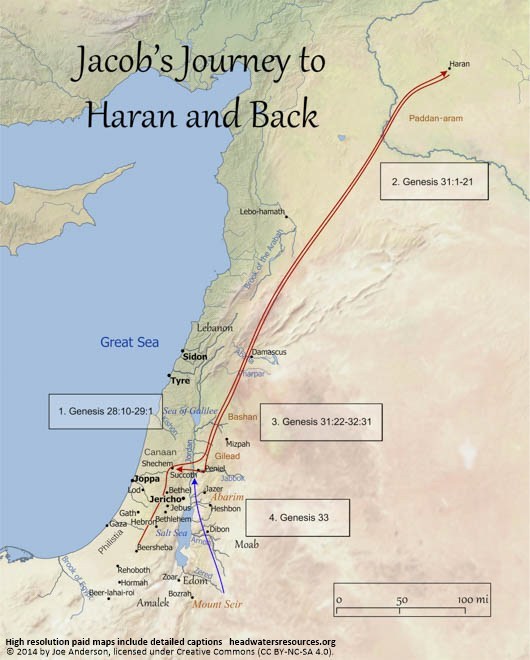
JacobsTravels

**********

Jacob’s sons, and also their offspring, do not possess his new faith. The whole family settled in Egypt and stayed there. It was not until 400 years have passed that the offspring of Israel will return as pilgrims, and God will give them the Land of Canaan. In the next post, the events that took them to Egypt will be summarised. After that, these posts will be about the return to the Promised Land, and about the spiritual pilgrimage of which it is a picture.


Footnote About Confession of Sin.

Jesus said that a man who made an offering for himself, but remained at enmity with a neighbour, would be in danger of hell instead of a blessing. He said,


མད་ཐཱ། 5:24

ཁྱེད་ཀྱི་མཆོད་པ་དེ་མཆོད་ཁྲིའི་མདུན་དུ་བཞག་ནས་སོང་ལ། སྔོན་དུ་ཁྱེད་ཀྱི་སྤུན་ཟླ་དང་སྡུམ་པར་གྱུར་ཅིག དེ་ནས་ཤོག་ལ་ཁྱེད་ཀྱི་མཆོད་པ་ཕུལ།

“First be reconciled to your brother, and then come and offer your gift” (Matthew 5:24).


He also said in the prayer (‘The Lord’s Prayer’) which he taught his disciples that we must forgive our brother everything:


མད་ཐཱ། 6:12

ངེད་ཚོས་གཞན་གྱི་ཉེས་པ་དག། གུ་ཡངས་གཏོང་བ་ཇི་བཞིན་དུ།། ངེད་ཀྱི་སྡིག་བུན་སེལ་བར་མཛོད།།

“Forgive us our debts, as we also have forgiven our debtors” (Matthew 6:12)


See how beautifully Esau welcomed Jacob; it is a picture of how God wants to be able to receive us to Himself.


******************************************