Tibetan Script Gospel Meditation – Mark 13:28-31

Mark 13.28-31 w B

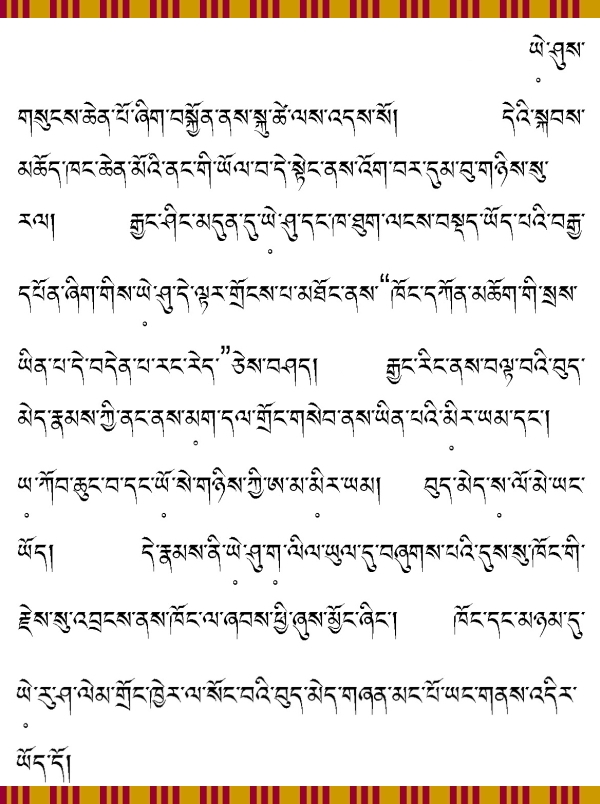
“From the fig tree learn its lesson: as soon as its branch becomes tender and puts out its leaves, you know that summer is near. So also, when you see these things taking place, you know that he is near, at the very gates. Truly, I say to you, this generation will not pass away until all these things take place. Heaven and earth will pass away, but my words will not pass away.”

Yeshu’s words ‘these things take place’ are the things foretold by him in Mark 13:14-20 (see Meditation dated May 20, 2015), and they did all happen in the lifetime of some of the disciples in the years AD 68 to AD 70.

But such catastrophic events, like the ones in verses 24-27, must also be taken as a reminder to us that Yeshu is standing at the door ready to come again at any time to take us (see last Meditation dated May 29, 2015). Why so? It is because his words remain for ever true.

Tibetan Script Gospel Meditation – Mark 13:21-27

Mark 13.21-27 w B

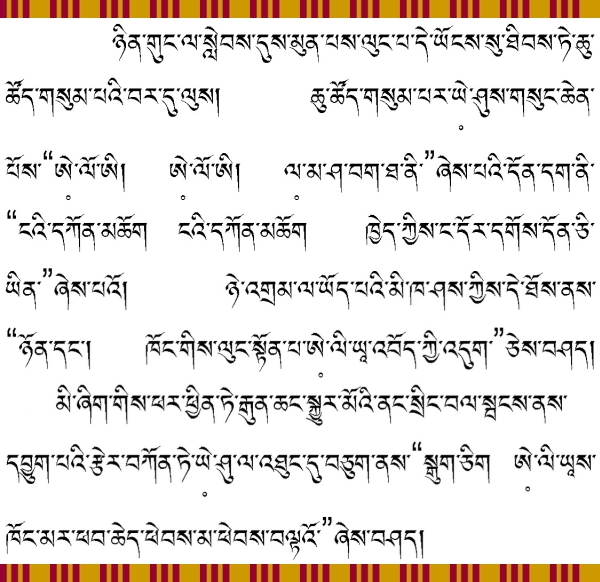
” … And then if anyone says to you, ‘Look, here is the Christ!’ or ‘Look, there he is!’ do not believe it. For false Christs and false prophets will arise and perform signs and wonders, to lead astray, if possible, the elect. But be on guard; I have told you all things beforehand.                                                                                                                                               But in those days after that tribulation, the sun will be darkened, and the moon will not give its light, and the stars will be falling from heaven, and the powers in the heavens will be shaken. And then they will see the Son of Man coming in clouds with great power and glory. And then he will send out the angels and gather his elect from the four winds, from the ends of the earth to the ends of heaven.”

Yeshu continues speaking, and again forewarns his disciples of self-appointed Messiahs and prophets, for example as would happen before the final uprising of the Jews against the Romans in AD 132.

He then reminds them of various prophetic sutras. Great darkness and other events will sigify God’s judgment and punishment of evil men. It is He himself, called the Son of Man, who, having been received as the Messiah in heaven, will come again to summon his own chosen ones from places all over the world including Tibet.

Tibetan Script Gospel Meditation – Mark 13:14-20

Mark 13.14-20 w B

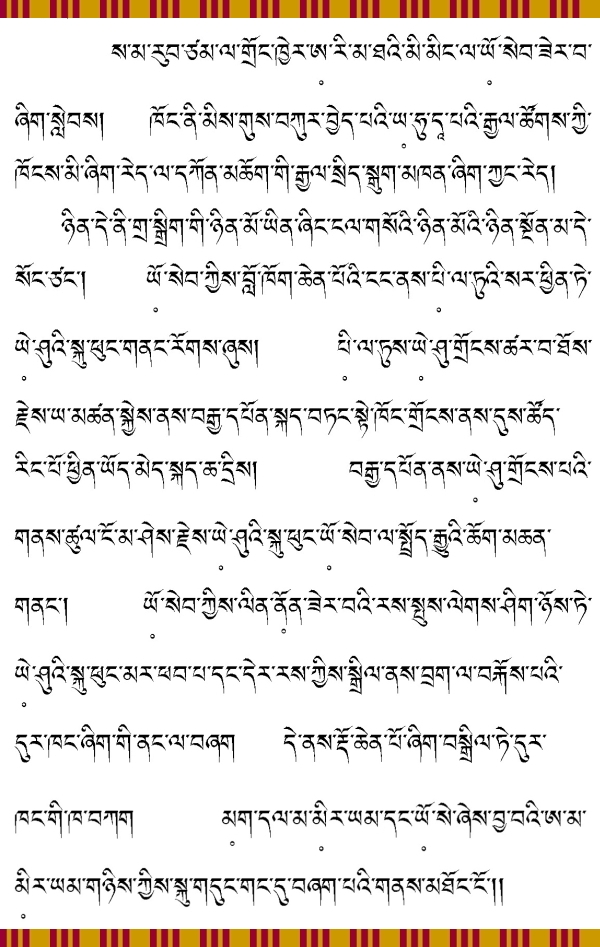
But when you see the abomination of desolation standing where he ought not to be (let the reader understand), then let those who are in Judea flee to the mountains. Let the one who is on the housetop not go down, nor enter his house, to take anything out, and let the one who is in the field not turn back to take his cloak. And alas for women who are pregnant and for those who are nursing infants in those days!  Pray that it may not happen in winter. For in those days there will be such tribulation as has not been since the beginning of the creation that God created until now, and never will be. And if the Lord had not cut short the days, no human being would be saved. But for the sake of the elect, whom he chose, he shortened the days.

Historians believe that when Mark wrote his gospel he and his first readers were in Rome. Those of them who were Jews would ‘understand’ the code-language that he now uses for secrecy in answering Andrew’s first question.

Yeshu is foretelling the crushing of the Great Revolt that took place 40 years later, when Roman battle standards, having a picture of the Emperor (like some ‘abominable’ thanka of a heretic’s god) would be planted to ‘stand’ on the site of the temple of God in Jerusalem. Following the overthrow of this uprising and two further ones against the Romans, Israel suffered as no other country even in the history of Central Asia would suffer more. Over a million Jews died.

It happened just as Jesus warned. And in the year 70 (AD 70 means 70 years after Yeshu’s birth) many believers, Yeshu’s chosen ones (who were already being called Christians), did escape to the city of Pella (in what is now modern Jordan) during, it is thought, a lull in the fighting.