The Acts of the Apostles – Acts 7:44-50 མཛད་པ། 7:44-50

(མཛད་པ། 7:44-50)

Acts 7.44 - 50 w B


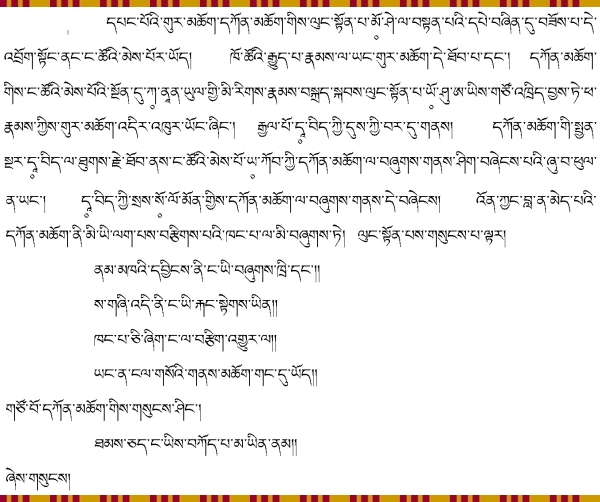
44 “Our fathers had the tent of witness in the wilderness, just as he who spoke to Moses directed him to make it, according to the pattern that he had seen. 45 Our fathers in turn brought it in with Joshua when they dispossessed the nations that God drove out before our fathers. So it was until the days of David, 46 who found favor in the sight of God and asked to find a dwelling place for the God of Jacob.[a] 47 But it was Solomon who built a house for him. 48 Yet the Most High does not dwell in houses made by hands, as the prophet says,
49 “‘Heaven is my throne, and the earth is my footstool. What kind of house will you build for me, says the Lord, or what is the place of my rest?
50 Did not my hand make all these things?’ (Acts 7:44-50)


History of Israel

4. A Temple for God in the Promised Land

Stephen continues, ‘In the steppe there was the special tent where God spoke with Moses, during the years of the Israelites being nomads.

‘Then in Jerusalem there was the temple. God gave permission for King David to make plans for the house of God, which Solomon his son would build.

‘But, of course, God sits in heaven; and because he made the whole earth he does not need a man-made house for living among us.’

In his defence Stephen has shown great honour to Moses, and respect for the temple. What about his accusers? In his conclusion we will find how he accuses  them of being rebellious against God just like their ancestors had been.

Read on next time to find how the Council reacts to the accusation. 
The Acts of the Apostles – Acts 7:51-60 མཛད་པ། 7:51-60

(མཛད་པ། 7:51-60)

Acts 7.51-60 w B


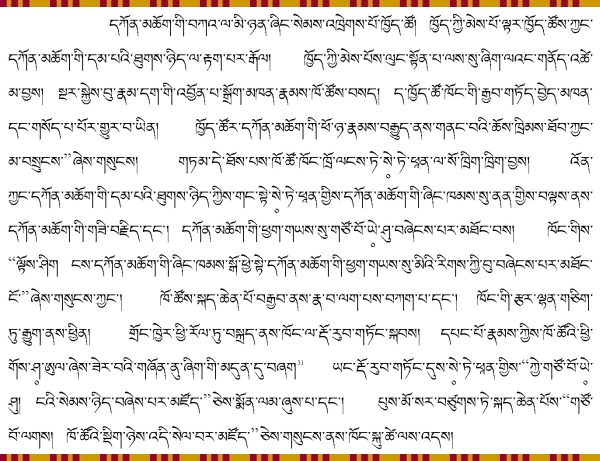
51 “You stiff-necked people, uncircumcised in heart and ears, you always resist the Holy Spirit. As your fathers did, so do you. 52 Which of the prophets did your fathers not persecute? And they killed those who announced beforehand the coming of the Righteous One, whom you have now betrayed and murdered, 53 you who received the law as delivered by angels and did not keep it.” 54 Now when they heard these things they were enraged, and they ground their teeth at him. 55 But he, full of the Holy Spirit, gazed into heaven and saw the glory of God, and Jesus standing at the right hand of God. 56 And he said, “Behold, I see the heavens opened, and the Son of Man standing at the right hand of God.” 57 But they cried out with a loud voice and stopped their ears and rushed together[b] at him. 58 Then they cast him out of the city and stoned him. And the witnesses laid down their garments at the feet of a young man named Saul. 59 And as they were stoning Stephen, he called out, “Lord Jesus, receive my spirit.” 60 And falling to his knees he cried out with a loud voice, “Lord, do not hold this sin against them.” And when he had said this, he fell asleep. (Acts 7:51-60)


Stephen is Executed

Stephen finished his speech by accusing his accusers of themselves being rebellious against God just like their forefathers. So in their fury they execute him.

It seemed that God’s purpose for his church to continue growing had been defeated. But not so; God had his own plans.

Chapter 9 of Acts tell us how, later on, the young man Saul came to believe. And then Chapters 13-28 are mainly the story of how God used Saul, now known as Paul, to help the gospel to spread.

The Acts of the Apostles – Acts 8:1-3 མཛད་པ། 8:1-3

(མཛད་པ། 8:1-3)

Acts 8.1-3 w B


And there arose on that day a great persecution against the church in Jerusalem, and they were all scattered throughout the regions of Judea and Samaria, except the apostles. 2 Devout men buried Stephen and made great lamentation over him. 3 But Saul was ravaging the church, and entering house after house, he dragged off men and women and committed them to prison. (Acts 8:1-3)


Stephen’s execution was the beginning of severe persecution of the church. And the young man Saul was very active in arresting believers to be punished by the law-courts, even to be sentenced to death.

However there was no further imprisonment of the apostles for a while. They remained in Jerusalem, where previously they had been freed from prison by God (Chapter 6:17-21).