The Acts of the Apostles – Acts 8:4-6 མཛད་པ། 8:4-6

(མཛད་པ། 8:4-6)

Acts 8.4-6 w B


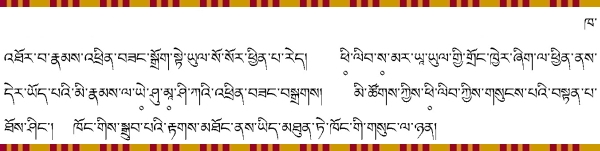
4 Now those who were scattered went about preaching the word. 5 Philip went down to the city of Samaria and proclaimed to them the Christ. 6 And the crowds with one accord paid attention to what was being said by Philip when they heard him and saw the signs that he did. 7 For unclean spirits, crying out with a loud voice, came out of many who had them, and many who were paralyzed or lame were healed. 8 So there was much joy in that city. (Acts 8:4-6)


Jews thought of the Samaritan people as heretics who did not keep the Jewish  dharma ( chos byas ) correctly. However Yeshu had said that the good news would be preached first to the Jews and then to the Samaritans (Chapter 1 verse 8). The time for them to hear had now come.

Philip, along with Stephen, was one of the seven who had been appointed as servants to the young church (Chapter 6 verse 5). He was also an evangelist, which is how a preacher of the gospel is termed.

The Acts of the Apostles – Acts 8:9-13 མཛད་པ། 8:9-13

(མཛད་པ། 8:9-13)

Acts 8.9-13 w B


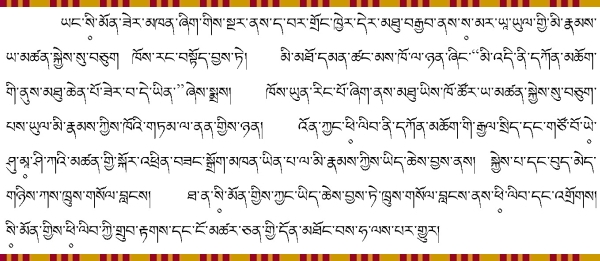
But there was a man named Simon, who had previously practiced magic in the city and amazed the people of Samaria, saying that he himself was somebody great. They all paid attention to him, from the least to the greatest, saying, “This man is the power of God that is called Great.” And they paid attention to him because for a long time he had amazed them with his magic. But when they believed Philip as he preached good news about the kingdom of God and the name of Jesus Christ, they were baptized, both men and women. Even Simon himself believed, and after being baptized he continued with Philip. And seeing signs and great miracles performed, he was amazed. (Acts 8:9-13)


Simon claimed he had the power of God, just as some men do in present-day India. He was a kind of sorcerer ( snags pa ).

But seeing the miraculous signs that followed after Philip’s preaching of Jesus’s  name to the Samaritans ( see verses 6 and 7), even he also believed. And his amazement grew.

The Acts of the Apostles – Acts 8:14-25 མཛད་པ། 8:14-25

(མཛད་པ། 8:14-25)

Acts 8.14-25 w B


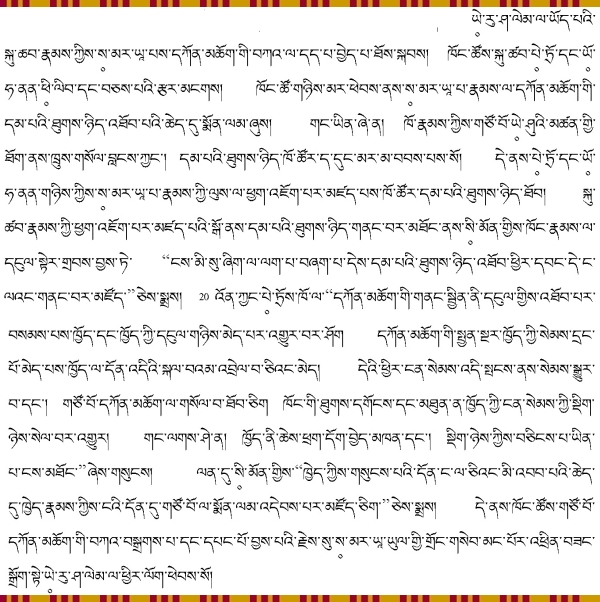
Now when the apostles at Jerusalem heard that Samaria had received the word of God, they sent to them Peter and John, who came down and prayed for them that they might receive the Holy Spirit, for he had not yet fallen on any of them, but they had only been baptized in the name of the Lord Jesus. Then they laid their hands on them and they received the Holy Spirit. Now when Simon saw that the Spirit was given through the laying on of the apostles’ hands, he offered them money, saying, “Give me this power also, so that anyone on whom I lay my hands may receive the Holy Spirit.” But Peter said to him, “May your silver perish with you, because you thought you could obtain the gift of God with money! You have neither part nor lot in this matter, for your heart is not right before God. Repent, therefore, of this wickedness of yours, and pray to the Lord that, if possible, the intent of your heart may be forgiven you. For I see that you are in the gall of bitterness and in the bond of iniquity.” And Simon answered, “Pray for me to the Lord, that nothing of what you have said may come upon me.” (Acts 8:14-25)


News that the heretical Samaritans had believed in the name of Jesus Christ reached the church leaders in Jerusalem. What to say? However Jesus had commanded them to be witnesses in Samaria (Chapter 1 verse 8). Then could even Samaritans have true faith?

When Peter and John arrived they found that the Holy Spirit had not fallen on the baptized believers. But when they received the Holy Spirit it was a clear sign that God had accepted them into his church.

As for Simon, he is impressed; he sees the opportunity to exercise a new sort of power. Can he buy this power? In reply Peter rebukes him, ‘May eternal ruin be for you and your money.’ And Simon seems to repent.

God’s gifts are freely given to those whose hearts are right ; they are not to be bought for the purpose of self-advancement.