JACOB AND FAMILY ESCAPE AND ARE CHASED

Last time we read how Jacob and Rachel and Leah had decided to leave secretly. This they did while Laban was away shearing his flock.

********

700 Km to Reach Canaan

བཀོད་པ 31:22-23

22ཉིན་གསུམ་གྱི་རྗེས་སུ་ལ་བན་གྱིས་ཡ་ཀོབ་བྲོས་པའི་སྐོར་ཐོས་པ་དང་།

23ཁོས་རང་གི་མི་རྣམས་མཉམ་དུ་འཁྲིད་དེ་ཉིན་བདུན་གྱི་བར་དུ་རྗེས་དེད་བྱེད་ཅིང་ཡུལ་གྷིལ་ཨད་ཀྱི་རིའི་ཡུལ་ཁག་ཏུ་ཡ་ཀོབ་ལ་རྗེས་ཟིན་ནོ།

It was only after the huge caravan of Jacob’s household and the slow-moving flocks had a 3-day start, that Laban and his band of male relatives set off in hot chase. But Jacob’s party had already traveled 670 km before Laban came close behind them in Gilead.


God Warns Laban

བཀོད་པ 31:24

24འོན་ཀྱང་མཚན་དེར་རྨི་ལམ་ནང་མངོན་པར་བྱུང་ནས་དཀོན་མཆོག་གིས་ལ་བན་ལ། ཁྱོད་ཀྱིས་ཡ་ཀོབ་ལ་གནོད་པ་གང་ཡང་བྱེད་མི་ཆོག་ཅེས་གསུངས་པ་དང་།

Their camps are now not far apart. What would Laban do in his anger the next day? The Lord who had helped Abraham when he deceived the Pharaoh of Egypt (Gen 12:10-20), and who had helped Isaac when he deceived King Abimelech of the Philistines (Gen 26:6-11), now warns Laban who has been tricked by Jacob, ‘You are neither to hinder nor to help him.’


Confrontation (kdong bsher)

བཀོད་པ 31:25-32

25ཡ་ཀོབ་ཀྱིས་རིའི་སྟེང་དུ་གུར་ཕུབ་ཡོད་དོ། ལ་བན་དང་ཁོའི་མི་རྣམས་ཀྱིས་ཡུལ་གྷིལ་ཨད་ཀྱི་རིའི་ཕྱོགས་སུ་གུར་ཕུབས་སོ།

26ལ་བན་གྱིས་ཡ་ཀོབ་ལ། ཁྱོད་ཀྱིས་ང་ལ་སླུས་ཏེ་དམག་སར་བུད་མེད་རྣམས་བཟུང་བ་ལྟར་ངའི་བུ་མོ་རྣམས་ཅིའི་ཕྱིར་འཁྱེར་བ་ཡིན་ནམ།

27ཁྱོད་ཀྱིས་ང་ལ་མ་བཤད་པར་བྲོས་དགོས་དོན་གང་ཡིན་ནམ། གལ་ཏེ་ཁྱོད་ཀྱི་ང་ལ་བཤད་ཡོད་ན་ངས་དགའ་སྟོན་བྱེད་ཅིང་གླུ་ལེན་པ་དང་། ལག་རྔ་བརྡུང་བ་དང་། པི་ཝང་གཏོང་བ་དང་ བཅས་ཁྱོད་ལ་འགྲོ་བཅུག་པ་ཡོད།

28ངའི་བུ་མོ་ཚོ་དང་། ཚ་བོ་དང་ཚ་མོ་རྣམས་ལའང་ཁ་སྐྱེལ་ནས་ག་ལེ་སོང་ཞིག་ཅེས་བརྗོད་མ་བཅུག་པས། ཁྱོད་ཀྱིས་དེ་ལྟར་བྱེད་པ་ནི་ཤིན་ཏུ་གླེན་པ་ཡིན།

29ཁྱོད་ལ་གནོད་པ་སྐྱེལ་བའི་དབང་ཆ་ང་ལ་ཡོད། འོན་ཀྱང་ཁྱོད་ལ་འཇིགས་སྣང་བསྐུལ་མི་ཆོག་ཅེས་མདང་མཚན་མོ་ཁྱོད་ཀྱི་ཕའི་དཀོན་མཆོག་གིས་ང་ལ་ཟོན་བརྡ་གནང་བྱུང་།

30ཁྱོད་རང་གི་ཁང་པར་ལོག་འདོད་ཡོད་པ་དེ་ངས་ཤེས་སོ། འོན་ཀྱང་ཁྱོད་ཀྱིས་ངའི་ཁང་པའི་སྐུ་འདྲ་རྣམས་རྐུས་དགོས་དོན་གང་ཡིན་ནམ་ཞེས་དྲིས་པ་དང་།

31ཡ་ཀོབ་ཀྱིས་ཁོ་ལ། ཁྱོད་ཀྱི་རང་གི་བུ་མོ་རྣམས་ང་ལས་འཕྲོག་ཡོང་བསམ་ནས་ང་འཇིགས་སོ།

32འོན་ཀྱང་ཁྱོད་ཀྱི་སྐུ་འདྲ་རྣམས་མི་སུ་ཞིག་གིས་བརྐུས་ཡོད་ན་མི་དེ་བསད་པར་འགྱུར། ང་ཚོ་མི་རྣམས་ཀྱི་མདུན་དུ་དཔང་པོ་བཙུགས་ནས་ཁྱེད་ཀྱི་དངོས་པོ་གང་ཞིག་འཚོལ་ནས་རྙེད་ན་འཁྱེར་རོགས་གནང་ཞེས་སྨྲས་པ་དང་། ར་ཧེལ་གྱིས་སྐུ་འདྲ་རྣམས་བརྐུས་པ་དེ་ཡ་ཀོབ་ཀྱི་མ་ཤེས་སོ།

The camps lie in sight of each other, and Laban comes face-to face with Jacob. Now, what is Laban to do?

From where they were on the hills of Gilead, Canaan could already be seen to the west across the great valley of the River Jordan; it is the land to which Jacob wanted to return.

Laban had come so far from Haran, and God had told him not to speak threateningly; he has lost face (spam shor). What to say?

He blurts (skad cha shor), ‘Why did you steal my plans for my daughters and secretly drag them away. You have stolen my heart plans; it was such a joyful send-off that I would have given you!’

But there was indeed one matter about which he could complain without pretence. ‘And why have you stolen my household gods?’


The Stolen Gods are not Found

བཀོད་པ 31:33-42

33དེ་ནས་ལ་བན་གྱིས་ཡ་ཀོབ་ཀྱི་གུར་དང་། ལེ་ཨའི་གུར་དང། གཡོག་མོ་གཉིས་ཀྱི་གུར་ནང་འཚོལ་ཀྱང་ཁོའི་སྐུ་འདྲ་རྣམས་མ་ཐོབ་བོ། དེ་རྫེས་ར་ཧེལ་གྱི་གུར་ནང་འཚོལ་བར་འགྲོ་བས།

34ར་ཧེལ་གྱིས་སྐུ་འདྲ་རྣམས་འཁྱེར་ནས་རྔ་མོང་གི་སྒའི་འོག་ཏུ་བཞག་ནས་དེའི་སྒང་ལ་བསྡད་ཡོད་ཅིང་། ལ་བན་གྱིས་མོའི་གུར་ནང་འཚོལ་ཀྱང་གང་ཡང་མ་ཐོབ་བོ།

35དེ་ནས་ར་ཧེལ་གྱིས་རང་གི་ཕ་ལ། ང་ཁྱེད་ཀྱི་མདུན་དུ་ལངས་མ་ཐུབ་པའི་རྐྱེན་ནི་ཟླ་མཚན་བབས་ཀྱི་ཡོད་པ་ཡིན། ཁྱེད་ང་དང་ཐུགས་ཁྲོ་མ་གནང་ཞེས་སྨྲས་པ་དང་། དེ་ལྟར་ཁོས་ཁྱིམ་གྱི་སྐུ་འདྲ་འཚོལ་ཀྱང་མ་ཐོབ་བོ།

36དེ་ནས་ཡ་ཀོབ་ཤིན་ཏུ་ཁྲོས་ཤིང་ཁོང་ལ། ངས་ཁྲིམས་གང་ཞིག་དང་འགལ་ཡོད་དམ། ཁྱེད་ཀྱིས་ང་ལ་རྗེས་དེད་བྱེད་དོན་གང་ཡིན་ནམ་ཞེ་འདྲི་པས།

37ཁྱེད་ཀྱིས་ངའི་ནོར་རྫས་ཚང་མའི་ནང་འཚོལ་བས། ཁྱེད་ཀྱི་བརླག་པའི་ནོར་རྫས་ཐོབ་བྱུང་ངམ། ངེད་དང་ཁྱེད་ཀྱི་སྤུན་རྣམས་ཀྱི་མཐོང་སར་དེ་ཚོ་བཞག་ནས། དེ་ཚོས་ང་གཉིས་ཀྱི་ནང་ནས་སུ་བདེན་པ་ཡིན་པ་དེ་ཁོང་ཚོར་ཐག་གཅོག་བྱེད་བཅུག་ཅིག

38ངས་ལོ་ཉི་ཤུ་བར་དུ་ཁྱེད་ཀྱི་གཡོག་བྱས་པས། ཁྱེད་ཀྱི་ཁྱུ་རྣམས་སྤེལ་ཞིང་མང་པོར་འགྱུར་རོ། འོན་ཀྱང་ཁྱེད་ཀྱི་ཁྱུ་རྣམས་ནས་ངས་ར་ལུག་གཅིག་ཀྱང་མ་ཟས་སོ།

39གཅན་གཟན་གཞན་གྱིས་བསད་པའི་ལུག་གི་གྱོང་གུད་དེ་ངས་འཁྱེར་བ་དང་། དེ་ངའི་ནོར་འཁྲུལ་མིན་པ་དེ་ངས་ཁྱེད་ལ་བསྟན་མེད། ཉིན་མཚན་གང་ཞིག་ལ་རྐུུ་མ་ཤོར་བ་དེ་ཚོའི་ཚབ་བཞག་དགོས་ཤེས་ཁྱེད་ཀྱི་སྨྲས་པ་བཞིན་ངས་བྱེད་ཡོད།

40ཉི་མའི་ཚད་པ་དང་མཚན་གྱི་གྲང་མོས་ང་ལ་ཐེངས་མང་པོ་དཀའ་ངལ་བྱུང་བ་དང་། མཚན་མོར་གཉིད་ཀྱང་ལོག་མ་ཐུབ་བོ།

41འདི་ལྟར་ལོ་ཉི་ཤུ་བར་དུ་ཁྱེད་ཀྱི་གཡོག་བྱས་པ་དང་། ཁྱེད་ཀྱི་བུ་མོ་གཉིས་ཀྱི་ཕྱིར་ལོ་བཅུ་བཞི་དང་། ཁྱོད་ཀྱི་ཁྱུའི་ཕྱིར་ལོ་དྲུག་གཡོག་བྱེད་ནའང་། ཁྱོད་ཀྱི་ངའི་གླ་ཆ་དེ་ཐེང་མ་བཅུ་བསྒྱུར་བཅོས་བཏང་ངོ་།

42གལ་ཏེ་ངའི་ཕ་ཨབ་ར་ཧམ་དང་ཨི་སཱག་གི་དཀོན་མཆོག་ང་དང་མཉམ་དུ་བཞུགས་མེད་ན། ཁྱེད་ཀྱིས་ང་ལ་ལག་པ་སྟོང་པར་བཏང་བ་ཡོད་འགྲོ། འོན་ཀྱང་དཀོན་མཆོག་གི་ངའི་ལས་ཀ་དང་། སྡུག་བསྔལ་ཐམས་ཅད་གཟིགས་ཤིང་མདང་མཆན་མོ་ཁྱེད་ལ་བཀའ་བཀྱོན་གནང་ངོ་ཞེས་སྨྲས་སོ༎

When the idols are not found, it is now Jacob’s opportunity to show indignation! He tells Laban, ‘You’ve found nothing stolen in all my property. So, what wrong have I done? All those 20 years I served you well and honestly, despite your cheating. And I succeeded because my family’s powerful God, who warned you last night, has been protecting me from your grasping.’

Laban’s loss of face is complete.


A Treaty to Save Face

བཀོད་པ 31:43-55

43དེ་ནས་ལ་བན་གྱིས་ཡ་ཀོབ་ལ། བུ་མོ་ན་གཞོན་འདི་ཚོ་ནི་ངའི་བུ་མོ་ཡིན། དེ་ཚོའི་ཕྲུ་གུ་ཚང་མ་ངའི་ཡིན་ནོ། དངོས་གནས་བྱས་ན་ཁྱུ་འདི་ཚོ་ངའི་ཡིན། འདིར་ཁྱོད་ཀྱི་མཐོང་བ་ཚང་མ་ངའི་ཡིན། འོན་ཀྱང་ངའི་བུ་མོ་ཚོ་དང་། དེ་ཚོའི་ཕྲུ་གུ་རྣམས་བཀག་ཕྱིར་ངས་གང་ཡང་མི་བྱེད་དོ།

44ངས་ཁྱོད་དང་མཉམ་དུ་ཁ་ཆད་བྱེད་པར་གྲ་སྒྲིགས་ཡོད་པ་དང་། ཁྱོད་དང་ངའི་བར་ལ་ཁ་ཆད་བྱེད་པ་དེ་དྲན་པའི་ཕྱིར་རྡོ་སྤུངས་ཏེ་རྟགས་ཤིག་བཞག་པར་བྱ་ཞེས་སྨྲས་པ་དང་།

45ཡ་ཀོབ་ཀྱིས་རྡོ་ཞིག་འཁྱེར་ནས་དྲན་གསོའི་ཕྱིར་ས་གནས་དེར་བཙུགས་སོ།

46ཁོས་རང་དང་མཉམ་དུ་ཡོད་པའི་མི་རྣམས་ལ་རྡོ་སྤུངས་ཕྱིར་སྨྲས་པ་དང་། དེ་ཚོས་རྡོ་སྤུངས་ཚར་བའི་རྗེས་སུ། ཚང་མ་དེའི་འགྲམ་དུ་བསྡད་ནས་དེར་ཁ་ཟས་ཤིག་ཟས་སོ།

47ལ་བན་གྱིས་ས་གནས་དེའི་མིང་ལ་ཇེ་གར་ས་ཧ་དུ་ཐ་ཞེས་བཏགས་པ་དང་། ཡ་ཀོབ་ཀྱིས་ས་གནས་དེའི་མིང་གྷ་ལིད་བཏགས་སོ།

48ལ་བན་གྱིས་ཡ་ཀོབ་ལ། རྡོ་འདི་སྤུངས་པ་ནི་ང་གཉིས་ཀྱི་ཆེད་དུ་དྲན་གསོ་བའི་ཕྱིར་ཡིན་ཞེས་སྨྲས་པ་དང་། དེའི་ཕྱིར་ས་གནས་དེའི་མིང་ལ་གྷ་ལིད་བཏགས་སོ།

49ལ་བན་གྱིས་ཡ་ཀོབ་ལ། ང་གཉིས་སོ་སོར་གྱེས་སྐབས་དཀོན་མཆོག་གིས་ང་ཚོ་ལ་གཟིགས་པར་ཤོག་ཅེས་སྨྲས་པ་དང་། ས་གནས་དེའི་མིང་ལ་མིཛ་པཱ་བཏགས་སོ།

50ལ་བན་གྱིས། གལ་ཏེ་ཁྱོད་ཀྱིས་ངའི་བུ་མོ་ཚོ་ལ་སྡུག་པོ་གཏོང་བའམ། ཁྱོད་ཀྱིས་བུད་མེད་གཞན་ཞིག་ཆུང་མར་བླངས་ནས་ངས་མ་ཤེས་ནའང་དཀོན་མཆོག་གིས་ང་ཚོ་ལ་གཟིགས་བཞུགས་ཡོད་པ་དེ་ཁྱོད་ཀྱི་ཤེས་ཤིག

51ང་གཉིས་ཀྱི་བར་ལ་ངས་སྤུངས་ཡོད་པའི་རྡོའི་སྤུངས་ཚོགས་འདིར་ཡོད་པ་དང་། དྲན་གསོའི་རྡོ་འདི་ཚོ་ཡང་འདིར་ཡོད་དོ།

52སྤུང་ཡོད་པའི་རྡོ་དང་། དྲན་གསོའི་རྡོ་འདི་ང་ཚོ་གཉིས་ཀར་དྲན་གསོ་བྱེད་དོ། རྡོ་སྤུང་པའི་ས་གནས་འདི་རྒལ་ནས་ང་རང་ཁྱོད་ལ་རྒོལ་ཕྱིར་མི་ཡོང་། ཁྱོད་ཡང་ས་གནས་འདི་དང་དྲན་གསོའི་རྡོ་འདི་རྒལ་ནས་ང་ལ་རྒོལ་ཕྱིར་ཡོང་མི་ཆོག

53ཨབ་ར་ཧམ་གྱི་དཀོན་མཆོག་དང་ན་ཧོར་གྱི་དཀོན་མཆོག་གིས་ང་ཚོ་གཉིས་ལ་ཁྲིམས་གཅོད་གནང་བར་ཤོག་ཅེས་སྨྲས་སོ། དེ་ནས་ཕ་ཨི་སཱག་གི་མཆོད་པའི་དཀོན་མཆོག་གི་མཚན་འཁུར་ནས། ཡ་ཀོབ་ཀྱིས་དམ་བཅའ་དེ་སྲུང་རྒྱུའི་མནའ་སྐྱེལ་ལོ།

54ཡ་ཀོབ་ཀྱིས་སེམས་ཅན་བསད་ནས་རི་བོའི་སྟེང་དུ་དམར་མཆོད་ཕུལ་བ་དང་། ཁོས་མི་རྣམས་ལ་མགྲོན་འབོད་བྱས་སོ། དེ་ཚོས་ཁ་ལག་ཟས་ཚར་བའི་རྗེས་སུ་མཚན་མོར་རི་དེར་གཉིད་ལོག་གོ།

55ལ་བན་སྔ་དྲོ་ལངས་ནས་རང་གི་ཚ་བོ་ཚ་མོ་དང་བུ་མོ་རྣམས་དང་འོ་སྐྱེལ་ནས་ག་ལེར་སོང་ཞིག་ཟེར་ནས་རང་གི་ཁང་པར་ལོག་གོ།

First Laban makes a great show about feeling the loss of his daughters and grandchildren; and next complains more sincerely about losing the flocks – forgetting that they are Jacob’s agreed wages! Then the idea comes to him, ‘Let’s make a treaty between us.’

Jacob readily goes along with the idea, and takes the initiative (‘dang po ‘go ‘dzugs mkhan), as is his character, by organizing Laban’s sons to build a great heap of stones to be a sign for remembering their agreement.

Then most solemnly Laban makes declaration never to go beyond this mound to harm Jacob; but neither must Jacob cross this point to harm him! And he calls on the God of his and Jacob’s grandfathers to hear the promise which they are making to each other. Readily Jacob does just as Laban asks, but he does it as a sworn covenant oath to the God of his father Isaac, the LORD whom King Abimelech had so feared (Gen 26:26-31).


The Farewell Feast

བཀོད་པ 31:54

54ཡ་ཀོབ་ཀྱིས་སེམས་ཅན་བསད་ནས་རི་བོའི་སྟེང་དུ་དམར་མཆོད་ཕུལ་བ་དང་། ཁོས་མི་རྣམས་ལ་མགྲོན་འབོད་བྱས་སོ། དེ་ཚོས་ཁ་ལག་ཟས་ཚར་བའི་རྗེས་སུ་མཚན་མོར་རི་དེར་གཉིད་ལོག་གོ།

Jacob continues to take the initiative. There is a sacrificial worship offering, and then there is to be to be a fellowship meal for binding the two parties to one another in loyalty. When the tired party of pursuers were called to Jacob’s camp, bread had been baked to be broken and shared as they sat together by the fire.

Then curds and roast meat were brought as well.

And the night was spent under the stars.


The Finished Story

བཀོད་པ 31:55

55ལ་བན་སྔ་དྲོ་ལངས་ནས་རང་གི་ཚ་བོ་ཚ་མོ་དང་བུ་མོ་རྣམས་དང་འོ་སྐྱེལ་ནས་ག་ལེར་སོང་ཞིག་ཟེར་ནས་རང་གི་ཁང་པར་ལོག་གོ།

At dawn Laban goes home empty-handed; it is the last that we read of him in the Bible. But he does finally show affection for his family at his departure.
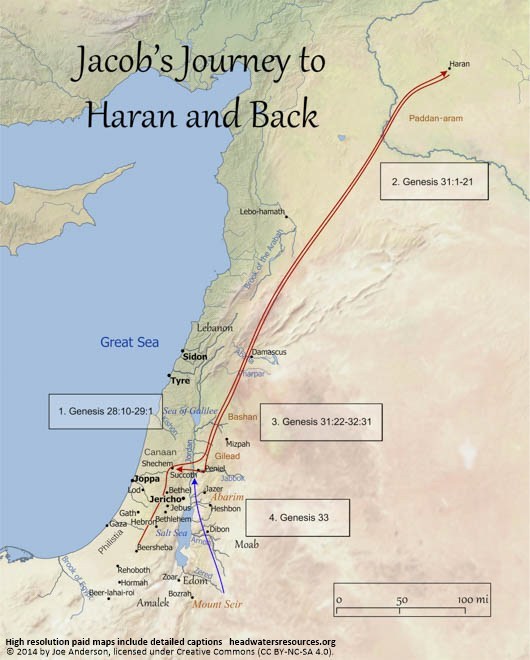
JacobsTravels

******

For Jacob, one story has finished. But an even more frightening confrontation lies ahead. What will Esau do to him?

Next time we will read of Esau’s confrontation with Jacob. But these events are not just about Jacob, because it was God’s covenant with Abraham that would be fulfilled in Jacob and his offspring.
 

JACOB’S BAD OFFSPRING

Alternative names:- Jacob’s Sons, House of Jacob, Sons of Israel, Israelites, People of Israel; Hebrews.

Last time we read how happy Jacob was to be back and free from both Laban and Esau, so that his first thought was of giving rest to his tired flocks, and of providing house comfort instead of a camping life for his family.

Then he crossed the River Jordan in order to pitch his tents for some years near Shechem, a town with friendly Canaanite inhabitants and with opportunities for trading.

As for the altar and its name, it was built for his God who had helped him, Israel, and given him some land as property.

Back to Bethel

It was the bad behavior of his grown children, and God’s reminding Jacob of his vow, that made him leave Shechem and return to Bethel so as to fulfill that vow (Read Genesis 34:1-35:1).


**************


Jacob’s Vow

བཀོད་པ 35:2-4

2དེའི་ཚེ་ཡ་ཀོབ་ཀྱིས་རང་གི་ནང་མི་དང་། ཁོ་དང་མཉམ་དུ་ཡོད་པའི་མི་ཚོ་ལ། ཁྱོད་ཚོ་མཉམ་དུ་ཡོད་པའི་ཕྱི་རྒྱལ་བའི་སྐུ་འདྲ་ཚང་མ་སྤོང་ཞིག་དང་། གཙང་བར་འགྱུར་ནས་གོས་གཙང་མ་གྱོན་ཞིག

3ང་ཚོ་ས་གནས་འདི་སྤངས་ནས་བྷེ་ཐེལ་དུ་འགྲོ་རྒྱུ་ཡིན་པ་དང་། དེར་ངས་དཀོན་མཆོག་གི་ཆེད་དུ་མཆོད་ཁྲི་ཞིག་བཟོ་རྒྱུ་ཡིན། དཀོན་མཆོག་དེས་དཀའ་ངལ་གྱི་དུས་སུ་ང་ལ་རོགས་གནང་ཡོད། ང་གང་དུ་སོང་ན་ཡང་དེར་ཁོང་ང་དང་མཉམ་དུ་བཞུགས་ཡོདཅེས་སྨྲས་སོ།

4དེ་ཚོའི་ཕྱི་པའི་ལྷ་རྣམས་དང་དེ་ཚོས་རང་གི་ཨམ་ལྕོག་ལ་བཏགས་པའི་ཨ་ལོང་རྣམས་ཡ་ཀོབ་ལ་སྤྲད་དོ། ཁོས་དེ་ཚོ་ཚང་མ་ཤེ་ཀེམ་གྱི་ཉེ་འགྲམ་དུ་བེ་ཤིང་ཞིག་གི་འོག་ཏུ་སྦས་སོ།


Although delayed, it was a true vow that Jacob had made (Genesis 28:20-22) to make the LORD his God and to live his life from now on seeking God’s purpose rather than his own. So now the idols that Rachel and others had been carrying are thrown away, and they set off to build the altar

Read on in verses 5-13 to see how God responded to his vow; and read verses 14 & 15 to see how Jacob’s offering on the altar ‘El-bethel’ gave thanks and honor that this place was ‘Bethel’, God’s house, and not Jacob’s house or land.


God’s Response to Jacob’s Decision

“And God said to him, “I am God Almighty: be fruitful and multiply. A nation and a company of nations shall come from you. The land that I gave to Abraham and Isaac I will give to you, and I will give the land to your offspring after you” – (Genesis 35:11, 12)

བཀོད་པ 3511-12

11དཀོན་མཆོག་གིས་ཁོ་ལ། ང་ནི་དཀོན་མཆོག་ཀུན་དབང་ཡིན་པས། ཁྱོད་རིགས་བརྒྱུད་མང་པོ་འགྱུར་ནས་འཕེལ་ཞིག མི་རིགས་མང་པོ་ཁྱོད་ནས་འབྱུང་ཡོང་། ཁྱོད་རྒྱལ་པོ་རྣམས་ཀྱི་མེས་པོ་འབྱུང་བར་འགྱུར།

12ཨབ་ར་ཧམ་དང་ཨི་སཱག་ལ་སྤྲད་པའི་ཡུལ་དེ་ངས་ཁྱོད་ལ་སྤྲད་དོ། ཁྱོད་ཀྱི་རྗེས་སུ་ཡོང་བའི་བུ་བརྒྱུད་རྣམས་ལའང་ཡུལ་འདི་སྤྲད་པར་བྱའོ་ཞེས་བཀའ་གནང་ངོ་།


Jacob’s conversion is complete; he is now part of the lineage through which God has planned to bring blessing to all nations on earth (Genesis 12:2,3)


Jacob’s Sons do not have Faith

From now on Jacob will live in tents as a sojourner (gnas gyar ba) in Canaan (Genesis 37:1) like Abraham and Isaac. And his sons will range widely over the land pasturing the flock. You can read the sons’ names in Genesis 35:22-26.

The sons were not godly in behaviour apart from young Joseph who was favored by his father. The older sons hate Joseph for this and sell him off to slave-traders, pretending to Jacob that he has been killed by a wild animal. You can read about this in Genesis Chapter 37.


Joseph Rises to Become Chief Minister of the Egyptian King.

You can read the very remarkable story of how Joseph rose from slave, then prisoner, to become chief minister of all Egypt in chapters 39, 40 and 41 of Genesis.


Seven Years of Severe Famine in Canaan and Egypt 

The 70 persons of Jacob’s household and 66 servants are forced to go to Egypt to purchase grain from the storehouses in Egypt (Read the whole story in Genesis 42:1 – 46:27). Passing Beersheba on the way, the place where God had helped Isaac, God gave Jacob encouragement.

བཀོད་པ 46:1-4                  

1ཡ་ཀོབ་ཀྱིས་རང་དང་མཉམ་དུ་གང་ཡོད་པ་ཚང་མ་འཁྱེར་ནས་འགྲུལ་སྐྱོད་བྱེད་དོ། བྷིར་ཤེ་བྷ་རུ་བསླེབས་ཚར་ནས་ཁོང་གིས་རང་གི་ཕ་ཨི་སཱག་གི་དཀོན་མཆོག་ལ་དམར་མཆོད་ཕུལ་ལོ།

2མཚན་མོའི་དུས་སུ་དཀོན་མཆོག་གིས་ཞལ་གཟིགས་ཀྱི་ནང་ཡ་ཀོབ། ཡ་ཀོབ་ཞེས་འབོད་པ་དང་།

ཡ་ཀོབ་ཀྱི་ལན་དུ། ང་འདི་རུ་ཡོད་ཞུས་སོ།

3དེ་ནས་དཀོན་མཆོག་གིས་ཁོང་ལ། ང་དཀོན་མཆོག། ཁྱོད་ཀྱི་ཕའི་དཀོན་མཆོག་ཡིན། ཁྱོད་ཨི་ཇིབ་དུ་འགྲོ་བར་མ་འཇིགས་ཤིག། ངས་དེ་རུ་ཁྱོད་ཀྱི་བུ་བརྒྱུད་རྣམས་མི་རིགས་ཆེན་པོ་ཞིག་བཟོ་བར་བྱའོ།

4ང་ཁྱོད་དང་མཉམ་དུ་ཨི་ཇིབ་དུ་འགྲོ་རྒྱུ་ཡིན་པ་དང་། ཁྱོད་ཀྱི་མི་བརྒྱུད་རྣམས་ལ་ཡུལ་འདིར་ཕྱིར་སློག་འཁྲིད་པར་བྱའོ། ཁྱོད་ཤི་བའི་དུས་སུ་ཡོ་སེབ་ཁྱོད་དང་མཉམ་དུ་ཡོད་པར་འགྱུར་ཞེས་གསུངས་སོ།


Jacob’s Family of Herders Settle in Egypt

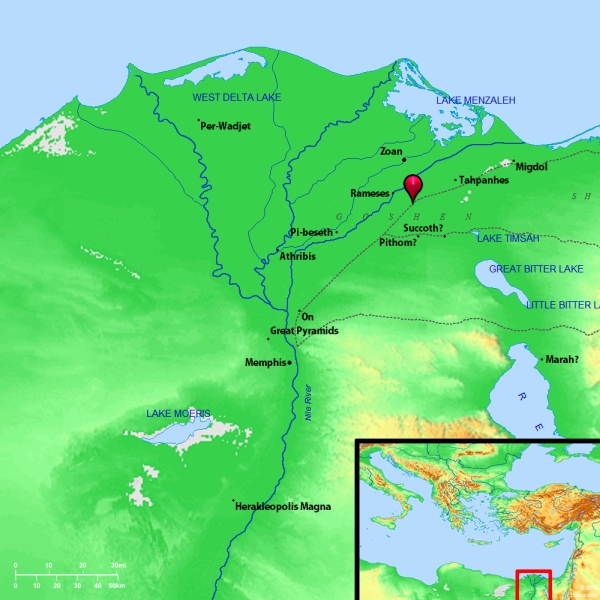
Jacob is given good land for grazing and cropping on the edge of NE Egypt. The family is descended from Eber (Genesis 11:16-26), but the name ‘Hebrews’, given to them by the Egyptians, is used like a low caste name; as despised herders they must live apart from the Egyptian people. Read how Pharaoh accepted them for Joseph’s sake in Genesis 46:28- 47:12.

goshen - 600 px


***************

Next time we will read how Jacob blesses his sons just before his death; which he does in faith (Hebrews 11:21, 22).

Jacob’s life has been a clear picture of the repenting and turning (spyod pa ngan pa spangs nas sems sgyur),  of the conversion that is needed for God to accept a man. Before a man is converted his chief aim is to get his own desires. After turning in repentance, he will want to please his Almighty Father, and seek to fulfil God’s plans for mankind.

See how Jesus taught his disciples to pray:

མད་ཐཱ། 6:9-13

9 དེ་བས་ན་ཁྱེད་ཀྱིས་འདི་ལྟར་སྨོན་ལམ་ཞུས་ཤིག

ནམ་མཁར་བཞུགས་པའི་ངེད་ཀྱི་ཡབ།།

ཁྱེད་མཚན་དམ་པར་སྲུང་བར་ཤོག།

10 ཁྱེད་ཀྱི་རྒྱལ་སྲིད་འོང་བར་ཤོག།

ཁྱེད་ཀྱི་དགོངས་པ་ནམ་མཁའ་ལ།།

སྒྲུབ་ལྟར་ས་ལའང་སྒྲུབ་པར་ཤོག།

11 ངེད་ཀྱི་ཉིན་ཞག་རེའི་ཁ་ཟས།།

དེ་རིང་ཡང་ནི་གནང་བར་མཛོད།།

12 ངེད་ཚོས་གཞན་གྱི་ཉེས་པ་དག།

གུ་ཡངས་གཏོང་བ་ཇི་བཞིན་དུ།།

ངེད་ཀྱི་སྡིག་བུན་སེལ་བར་མཛོད།།

13 ཉམས་ཚོད་ནང་དུ་མ་འཁྲིད་པར།།

ངན་པ་ལས་ངེད་ཐར་བར་མཛོད།།


JACOB BLESSES HIS SONS


“By faith Jacob, when dying, blessed each of the sons of Joseph, bowing in worship over the head of his staff” Hebrews 11:21

ཡ་ཧུ་དཱ་པ། 11:21    

དད་པའི་སྒོ་ནས་མེས་པོ་ཡ་ཀོབ་གྲོངས་པའི་སྐབས་སུ་ཡོ་སེབ་ཀྱི་བུ་རེ་རེ་ལ་བྱིན་རླབས་གནང་སྟེ། འཁར་བ་ལ་བསྙེས་ཏེ་དཀོན་མཆོག་ལ་བསྙེན་བཀུར་བྱས།


************


News of Jacob’s Illness Reaches Joseph

བཀོད་པ 48:1-2

1དུས་ཚོད་འགའ་ཤས་ཀྱི་རྗེས་སུ་ཡོ་སེབ་ལ་ཁོང་གི་ཕ་ན་བའི་གནས་ཚུལ་འབྱོར་རོ། ཁོས་རང་གི་བུ་མ་ནསེ་སཱེ་དང་ཨེཕ་ར་ཡིམ་གཉིས་འཁྲིད་ནས་ཡ་ཀོབ་ལ་འཕྲད་དུ་ཕྱིན་ནོ།

2ཁྱེད་ཀྱི་བུ་ཡོ་སེབ་ཁྱེད་ལ་འཕྲདཕྱིར་སླེབས་འདུག་ཅེས་མི་ཞིག་གིས་ལབ་པ་དང་། ཁོང་ཤུགས་བྱས་ནས་ཉལ་ཁྲིའི་ཁར་གཙོག་བུར་བསྡད་དོ།


Joseph travels out to Goshen to visit his father. And Jacob finds strength to remind him of God’s Promise.


The Blessing of the Firstborn

བཀོད་པ 48:3-6

3ཡ་ཀོབ་ཀྱིས་ཡོ་སེབ་ལ་སྨྲས་པ། ཀ་ནན་ཡུལ་དུ་ལུཛ་བྱ་བའི་ས་གནས་དེར་ངས་ཀུན་དབང་དཀོན་མཆོག་མཇལ་ནས་ཁོང་གིས་ང་ལ་བྱིན་རླབས་གནང་ངོ་།

4ཁོང་གིས་ང་ལ་གསུངས་པ། ངས་ཁྱོད་ལ་བུ་ཕྲུག་མང་པོ་སྤྲད་ནས་དེ་ཚོའི་རིགས་བརྒྱུད་ནས་མི་རིགས་མང་པོ་བྱུང་བར་འགྱུར། ངས་ཁྱོད་ཀྱི་རིགས་བརྒྱུད་རྣམས་ལ་ཡུལ་འདི་རྟག་ཏུ་དབང་བའི་ཕྱིར་སྤྲད་པར་བྱའོ།

5ཡ་ཀོབ་ཀྱིས་མུ་མཐུད་ནས་སྨྲས་པ། ང་འདིར་སླེབས་པའི་སྔོན་དུ་ཨི་ཇིབ་དུ་སྐྱེས་པས་ཁྱོད་ཀྱི་བུ་འདི་གཉིས་ཡང་ངའི་ཡིན། རུ་བྷེན་དང་སིམ་ཨོན་ལྟར་ཨེཕ་ར་ཡིམ་དང་མ་ནསེ་སཱེ་ཡང་ངའི་བུ་ཡིན་ནོ།

6གལ་ཏེ་ཁྱོད་ལ་བུ་གཞན་རྣམས་སྐྱེས་ན། དེ་ཚོ་ངའི་བུ་ཡིན་པ་རྩིས་བར་མི་འགྱུར། དེ་ཚོས་ཐོབ་པའི་ས་ཞིང་གི་ཐོབ་སྐལ་ནི་ཨེཕ་ར་ཡིམ་དང་མ་ན་སཱེའི་གྱི་ཡུལ་ཁོར་ནས་བྱུང་བར་འགྱུར།


བཀོད་པ 48:15-16

15དེ་ནས་ཁོང་གིས་ཡོ་སེབ་ལ། འདི་ལྟར་བྱིན་རླབས་གནང་བ།

ངའི་པོ་པོ་ཨབ་ར་ཧམ་དང་ཕ་ཨི་སཱག་གིས། ཞབས་ཏོག་བྱེད་པའི་དཀོན་མཆོག་ཁོང་ཉིད་ཀྱིས།

བུ་འདི་ཚོར་བྱིན་རླབས་གནང་བར་ཤོག། དེ་རིང་གི་བར་དུ་ང་ལ་དབུ་འཁྲིད་གནང་བའི་དཀོན་མཆོག་གིས།

ཁོང་ཚོ་ལ་བྱིན་རླབས་གནང་བར་ཤོག།

16ང་ལ་དཀའ་ངལ་རྣམས་ལས་སྐྱབས་མཁན་མཐོ་རིས་ཀྱི་ཕོ་ཉས།

ཁོང་ཚོར་བྱིན་གྱིས་རླབས་པར་མཛོད།

ངའི་མིང་དང་ངའི་པོ་པོ་ཨབ་ར་ཧམ་གྱི་མིང་དང་ངའི་ཕ་ཨི་སཱག་གི་མིང།

བུ་འདི་ཚོའི་རྒྱུད་ནས་དུས་རྟག་དུ་གནས་པར་ཤོག། ཁོང་ཚོར་ཕྲུ་གུ་མང་པོ་བྱུང་བར་ཤོག།

དེ་ཚོའི་རིགས་བརྒྱུད་མང་པོ་འཕེལ་བར་ཤོག།

The blessing for the firstborn is not given to Reuben, who had behaved badly (Genesis 35:22), but to Joseph, who had faith and been used by God to feed Jacob’s family; it was given to Joseph’s two sons.

You can read also in verses 8-14, and in 17-21 how Jacob – although semi-blind – was guided by God to give the greater blessing to grandson Ephraim rather than grandson Manasseh. There would be a future fulfillment of this prophetic blessing in that the names of both sons would be given to large tribes, but the tribe of Ephraim would be the largest and most militarily powerful.


Suitable Blessings for the Other Eleven Sons

བཀོད་པ 49:1-2

1དེ་ནས་ཡ་ཀོབ་ཀྱིས་རང་གི་བུ་རྣམས་བོས་ནས་སྨྲས་པ། ཁྱོད་ཚོ་འདིར་འཛོམས་ཤིག་དང་། མ་འོངས་པའི་དུས་སུ་ཁྱོད་ཚོའི་ཐོག་ཏུ་གང་འབྱུང་རྒྱུ་ཡིན་པའི་སྐོར་ངས་ཁྱོད་ཚོར་ཤོད་རྒྱུ་ཡིན།

2ཡ་ཀོབ་ཀྱི་བུ་རྣམས་འཛོམས་ནས་ཉོན་ཞིག ཁྱོད་ཚོའི་ཡབ་ཨིསི་རཱཨེལ་ལ་ཉོན་ཞིག


The blessings in verses 2-27 are given as prophecies in poetic language whose meaning would only be made clear by events in the histories of the future tribes of Israel after settling in the land of Canaan more than 430 years later.


བཀོད་པ 49:28

28འདི་ཐམས་ཅད་ནི་ཨིསི་རཱཨེལ་གྱི་སྡེ་རིགས་བཅུ་གཉིས་ཡིན། དེ་ཚོའི་ཕས་དེ་ཚོ་ལ་བྱིན་རླབས་གནང་བཞིན་སྨྲས་པའི་ཏམ་ནི་འདི་ལྟར་ཡིན་ནོ། ཁོང་གིས་བུ་རེ་རེའི་སྐོར་ལ་འོས་པའི་བྱིན་རླབས་གནང་ངོ་༎


Jacob’s Instructions

Jacob arranged for his burial to be in the Promised Land. You can read about this in Genesis 49:29 – 50:14. Joseph too commanded his brothers regarding future burial of his bones.

བཀོད་པ 50:22-26

22ཡོ་སེབ་རང་གི་ཕའི་ནང་མི་དང་མཉམ་དུ་མུ་མཐུད་ནས་ཨི་ཇིབ་ནང་བསྡད་དོ། ཁོང་གྲོངས་སྐབས་ལོ་ ༡༡༠ ལོན་ཡོད་པའོ།

23ཁོང་གིས་ཨེཕ་ར་ཡིམ་གྱི་ཕྲུ་གུ་དང་། ཁོས་ཚ་བོ་ཚ་མོ་རྣམས་ཀྱང་མཐོང་ཐུབ་བོ། མ་ནསེ་སཱེའི་བུ་མ་ཀིར་གྱི་ཕྲུ་གུ་ཡང་སྐྱེས་པ་ཁོང་གིས་མཐོང་ངོ་།

24ཁོང་གིས་རང་གི་སྤུན་རྣམས་ལ། ང་ནི་ཤི་བའི་དུས་ལ་རན་སོང་། འོན་ཀྱང་དཀོན་མཆོག་གིས་ཁྱེད་རྣམས་ལ་བདེན་པར་འཚོ་སྐྱོང་གནང་བར་འགྱུར་བ་དང་། ཡུལ་འདི་ནས་བཏོན་ཏེ་ཨབ་ར་ཧམ་དང་། ཨི་སཱག་དང་ཡ་ཀོབ་ལ་དབུ་མནའ་བཞེས་པའི་ཡུལ་དུ་འཁྲིད་པར་མཛད་ཡོང་ཞེས་སྨྲས་སོ།

25དེ་ནས་ཡོ་སེབ་ཀྱིས་ཨིསི་རཨེལ་གྱི་བུ་རྣམས་ལ་མནའ་སྐྱེལ་བཅུག་སྟེ། དཀོན་མཆོག་གིས་ཁྱེད་ཚོ་ལ་ཡུལ་ཀ་ནན་དུ་ཕྱིར་ལོག་འཁྲིད་སྐབས། ངའི་རུས་པ་ཡང་ཁྱེད་ཚོ་དང་མཉམ་དུ་འཁྱེར་ཞིག་ཅེས་གསུངས་སོ།

26དེར་བརྟེན་ཡོ་སེབ་ལོ་ ༡༡༠ ལོན་སྐབས་ཨི་ཇིབ་དུ་གྲོངས་སོ། ཁོང་ཚོས་ཁོང་གི་ཕུང་པོར་སྣུམ་དྲི་ཞིམ་དང་སྨན་ན་བླུགས་ནས་སྒམ་ཞིག་ཏུ་བཅུག་ནས་བཞག་གོ།


Future History of Israel

After Joseph died, the Israelites lived prosperously in Goshen in Egypt.

སྡེབ་ཐོན 1:1-7

1རང་རང་སོ་སོའི་ཁྱིམ་ཚང་དང་བཅས་པ་ཡ་ཀོབ་དང་མཉམ་དུ་ཨི་ཇིབ་དུ་འགྲོ་མཁན་ཁོང་གི་བུ་རྣམས་ཀྱི་མིང་ནི།

2རུ་བྷེན་དང་། སིམ་ཨོན། ལེ་ཝི། ཡ་ཧུ་དཱ།

3ཨི་ས་ཀར། ཛེ་བུ་ལུན། བྷེན་ཡ་མིན།

4དཱན། ནཕ་ཏ་ལི། གྷཌ། ཨ་ཤེར་བཅས་ཡིན་ནོ།

5ཡ་ཀོབ་ནས་བྱུང་བའི་ནང་མིའི་ཁ་གྲངས་ནི་བདུན་བཅུ་ཡིན་ཏེ། ཁོའི་བུ་ཡོ་སེབ་ནི་དེ་སྔོན་ནས་ཨི་ཇིབ་དུ་ཡོད་པ་ཡིན་ནོ།

6ཡོ་སེབ་དང་དེའི་སྤུན་ཐམས་ཅད་དང་། དེ་ཚོའི་མི་རབས་ཚང་མ་ཤིའོ།

7འོན་ཀྱང་དེ་ཚོའི་རིགས་བརྒྱུད་ནི་གོང་དུ་འཕེལ་བ་དང་། དེ་ཚོ་གྲངས་ནི་ཧ་ཅང་མང་པོ་བྱུང་བས་ཨི་ཇིབ་ཀུན་ཏུ་དེ་ཚོས་ཡོངས་སུ་ཁྱབ་པ་ཡིན་ནོ།

goshen - 600 px

*************

Prophecy

It was often true that God’s prophets did not understand the full meaning of the words that God’s Spirit had given them to speak. The meaning would become clear at a future time. Readers of the Gospels might see in Jacob’s prophecy a poetic picture of how Jesus, who was a descendant of Judah, would enter Jerusalem riding on the colt of a donkey (Genesis 49:10-12 and Matthew 21:1-11).

Next Post

We shall read how God prepared a man called Moses to lead the people of Israel out of Egypt.