To Believe in Jesus – Part 14

To Believe in Jesus – Part 14


ཡོ་ཧ་ནན། 4:5-10

5སཱ་མར་ཡ་ཡུལ་གྱི་སི་གར་གྲོང་རྡལ་དུ་སླེབས་པ༌དང༌། གྲོང་རྡལ་དེ་སྔོན་ཆད་ཡ་ཀོབ་ཀྱིས་རང་གི་བུ་ཡོ་སེབ་ལ་གནང་བའི་ས་ཆ་དེ་དང་ཐག་ཉེ༌ཞིང༌། 6དེ་རུ་ཡ་ཀོབ་ཀྱི་ཁྲོན་པའང༌ཡོད། དེའི་ཚེ་སྐྱབས་མགོན་ཡེ་ཤུའང་སྐུ་ངལ་ནས་ཁྲོན་པ་དེའི་འགྲམ་དུ་བཞུགས་པ༌དང༌། དུས་དེ་ནི་ཉིན་གུང་ཙམ་ཡིན༌ནོ།།

7-8སྐབས༌དེར། ཁོང་གི་ཐུགས་སྲས་རྣམས་གྲོང་རྡལ་དེ་ལ་ཁ་ཟས་ཉོ་རུ་སོང་ངོ༌།། དེ་ནས་སཱ་མར་ཡ་ཡུལ་གྱི་བུད་མེད་ཅིག་ཆུ་ལེན་དུ་ཡོང་བ༌དང༌། སྐྱབས་མགོན་ཡེ་ཤུས་བུད་མེད་དེ་ལ་འདི་སྐད༌དུ། བདག་ལ་འཐུང་ཆུ་ཉུང་ཙམ་སྟེར་བར་མཛོད་ཅེས་གསུངས་པ༌ན། 9སཱ་མར་ཡ་ཡུལ་གྱི་བུད་མེད་ན༌རེ། ཁྱེད་ནི་ཡ་ཧུ་དཱ་པ་ཞིག་ཡིན་པས་སཱ་མར་ཡ་ཡུལ་གྱི་བུད་མེད་བདག་ལྟ་བུ་ལས་ཆུ་སློང་ངམ་ཞེས་སྨྲས་སོ།། དེ་ནི་མ་གཞི་ཡ་ཧུ་དཱ་པ་རྣམས་ཀྱིས་སཱ་མར་ཡ་པ་རྣམས་དང་འབྲེལ་འདྲིས་མི་བྱེད་པའི་ཕྱིར༌རོ།། 10ཡང་སྐྱབས་མགོན་ཡེ་ཤུས་འདི་སྐད༌དུ། ཁྱོད་ཀྱིས་དཀོན་མཆོག་གི་གནང་སྦྱིན་དང་ཁྱོད་ལ་ཆུ་གནང་བར་མཛོད་ཅེས་ཟེར་མཁན་དེ་སུ་ཡིན་པ་ཤེས༌ན། ཁྱོད་ཀྱིས་སྔ་མོ་ནས་མི་དེ་བསྟེན་ཅིང་ཁོས་ཀྱང་སྔ་མོ་ནས་ཁྱོད་ལ་ཚེ་སྲོག་དང་ལྡན་པའི་ཆུ་གནང་ངེས་ཡིན་ཞེས་གསུངས་སོ།།


John 4:5-10

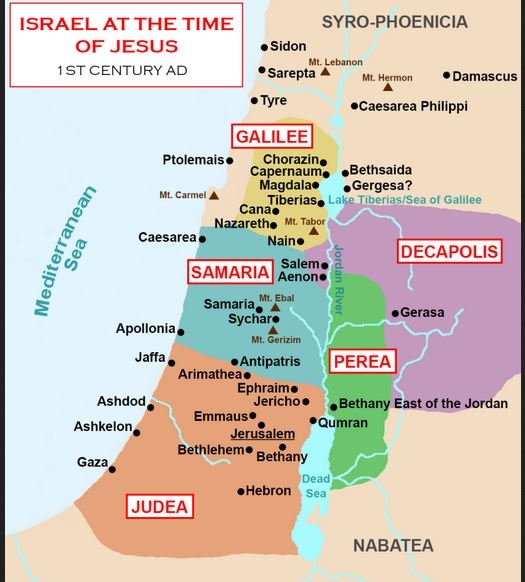
5 So he (Jesus) came to a town of Samaria called Sychar, near the field that Jacob had given to his son Joseph. 6 Jacob’s well was there; so Jesus, wearied as he was from his journey, was sitting beside the well. It was about the sixth hour.

7 A woman from Samaria came to draw water. Jesus said to her, “Give me a drink.” 8 (For his disciples had gone away into the city to buy food.) 9 The Samaritan woman said to him, “How is it that you, a Jew, ask for a drink from me, a woman of Samaria?” (For Jews have no dealings with Samaritans.) 10 Jesus answered her, “If you knew the gift of God, and who it is that is saying to you, ‘Give me a drink,’ you would have asked him, and he would have given you living water.”


Living Water


Continuing on Jesus’ conversation with the woman at the well, the first mention of “living water” in the Gospel of John, and here we see another chapter of Jesus’ redemption ministry at work.

Jesus deliberately used the phrase “living water in His conversation and presented this “living water” as what the woman should ask for.


How would she perceive this offer of “living water”?


Jesus’ encounter with the woman at the well, John recorded the first mention of “living water” and later in John chapter 7living water is mentioned second time in the context of the Feast of Tabernacles.

The idea of “living water” had been presented since times of old when prophets of God called for repentance and to return to His ways and teachings.


ཡེ་རེམ་ཡཱ། 2:13

13ཅི་ལ་ཞེ་ན། བདག་གི་མི་རྣམས་ཀྱིས་སྤྱོད་ངན་གཉིས་སྤྱད་དེ། ཚེ་སྲོག་དང་ལྡན་པའི་ཆུ་མིག་ཡིན་པ་ང་རང་བསྐྱུར་ནས་རང་གི་དོན་དུ་ཆུ་དོང་བརྐོས་པ་དང་། ཆུ་དོང་དེ་ནི་ཞིག་རལ་དུ་སོང་ནས་ཆུ་མི་འཚོག་པའི་ཆུ་དོང་ཞིག་ཡིན་ནོ། །


Jeremiah 2:13

for my people have committed two evils: they have forsaken me, the fountain of living waters, and hewed out cisterns for themselves, broken cisterns that can hold no water.


In the records of the prophet Jeremiah, God presented Himself as “the fountain of living waters and what would that means to the nation of Israel when this message was delivered?


God who provided Redemption


Throughout the many messages from various prophets of old calling for Israel’s repentance there was that repeated reminder of how God delivered them from Egypt the house of bondage.

The same redemption as what we Christian today know as salvation and the bondage in Egypt what we could understand representing slavery to sin and death and no hope of eternal life.

So the message of Jeremiah 2:13 accused Israel of forsaking their redemption by rejecting their God who is “the fountain of living waters“! Means to say they were going back to sin and bondage, moving backward to the path of darkness and forsaking their hope of eternal life with God.

Jeremiah’s warning to the people of Israel was to turn them back to seek real redemption in God and to ensure their future eternal life with God.

Likewise Jesus’s offer of living water” to the woman at the well is the offer of real redemption and salvation and hope of eternal life!


God the Source of Life and Full Blessing


God being “the fountain of living waters” also indicate being the source of life and full blessing of daily living.

For the people in the days of Jeremiah they should had understood the message reminding them it was God who protected them from their enemies and provided them bountiful harvest of the land that fed them and their families for good. But instead of being thankful to God who provided, they turn to idolatries, pagan worship, mixed religions, and eventually forgetting about God who delivered their forefathers from Egypt.

Jeremiah’s warning was issued in the backdrop of the Israelites practicing mixed religions with a stubborn attitude that eventually lead to their nation’s doom.

In the days of Jeremiah there were records of the people continuing worship at the Temple but at the same time participating in pagan worships!  As the confusion and corruption carried on and became saturated throughout the land it came a point the children of Israel look to God as a stranger! No longer recognizing or even heard of this God who delivered their forefathers from Egypt the house of bondage. And so as they continued to ignore God’s warning through Jeremiah they eventually lost total defense against enemies forces and suffered such sever famine they committed horrifying acts of cannibalism for survival as recorded in Lamentations.

Jeremiah’s Lamentations recorded Israel’s darkest history.

The Jews were subjected to various foreign rules till Jesus came to show them the way to true eternal redemption. And the way back to God is to first recognize their God (Jehovah) being “the fountain of living waters” and to reject other forms of false gods.

So back in the Gospel of John, Jesus was offering the woman at the well not only redemption from sin and death but also to partake in the source of life, eternal life, and the full blessing of God.


The Samaritans Believed in Jesus!


Previous lesson we discussed about the ongoing estrangement of relationship between Jews and Samaritans, and the construction of Mount Gerizim temple, plus the Samaritans having their own version of the Pentateuch, all these had swayed their perspective of redemption until this encounter with Jesus!

Here we see Jesus acting in kindness and compassion, in reaching out to the Samaritans, to show them the truth, to bring them back to proper relationship with God.

The Gospel of John recorded the amazing fact of these Samaritans believing in Jesus so much so that perhaps Jesus’ disciples who were Jews were in dis-belief!

The Samaritans who believed in Jesus had become a classic case study of receiving redemption and eternal life!

To be continue ..


David Z

To Believe in Jesus – Part 13

To Believe in Jesus – Part 13


ཡོ་ཧ་ནན། 4:1-11

1དེ་ཡང་གཙོ་བོས་རྗེས་འབྲང་པ་བསྡུས་པ་དང་ཁྲུས་གསོལ་མཛད་པ་ནི་ཁྲུས་གསོལ་མཁན་ཡོ་ཧ་ནན་ལས་ཀྱང་མང་པོ་ཡིན་པ་ཕ་རུ་ཤི་པ་རྣམས་ཀྱིས་ཐོས་སོ།། 2དོན་དམ་དུ་སྐྱབས་མགོན་ཡེ་ཤུས་དངོས་སུ་ཁྲུས་གསོལ་མཛད་པ་མ་ཡིན་པར་ཁོང་གི་ཐུགས་སྲས་རྣམས་ཀྱིས་ཁྲུས་གསོལ་བྱས་པ༌ཡིན། 3དེ་ནས་སྐྱབས་མགོན་ཡེ་ཤུ་ཁོང་ཉིད་ཡ་ཧུ་དཱའི་ཡུལ་དང་ཁ་བྲལ་ནས་ག་ལིལ་ཡུལ་དུ་ཕྱིར་ཕེབས༌སོ།།

4ཁོང་ཉིད་སཱ་མར་ཡ་ཡུལ་བརྒྱུད་ནས་ཕེབས་དགོས༌ཤིང༌། 5སཱ་མར་ཡ་ཡུལ་གྱི་སི་གར་གྲོང་རྡལ་དུ་སླེབས་པ༌དང༌། གྲོང་རྡལ་དེ་སྔོན་ཆད་ཡ་ཀོབ་ཀྱིས་རང་གི་བུ་ཡོ་སེབ་ལ་གནང་བའི་ས་ཆ་དེ་དང་ཐག་ཉེ༌ཞིང༌། 6དེ་རུ་ཡ་ཀོབ་ཀྱི་ཁྲོན་པའང༌ཡོད། དེའི་ཚེ་སྐྱབས་མགོན་ཡེ་ཤུའང་སྐུ་ངལ་ནས་ཁྲོན་པ་དེའི་འགྲམ་དུ་བཞུགས་པ༌དང༌། དུས་དེ་ནི་ཉིན་གུང་ཙམ་ཡིན༌ནོ།།

7-8སྐབས༌དེར། ཁོང་གི་ཐུགས་སྲས་རྣམས་གྲོང་རྡལ་དེ་ལ་ཁ་ཟས་ཉོ་རུ་སོང་ངོ༌།། དེ་ནས་སཱ་མར་ཡ་ཡུལ་གྱི་བུད་མེད་ཅིག་ཆུ་ལེན་དུ་ཡོང་བ༌དང༌། སྐྱབས་མགོན་ཡེ་ཤུས་བུད་མེད་དེ་ལ་འདི་སྐད༌དུ། བདག་ལ་འཐུང་ཆུ་ཉུང་ཙམ་སྟེར་བར་མཛོད་ཅེས་གསུངས་པ༌ན། 9སཱ་མར་ཡ་ཡུལ་གྱི་བུད་མེད་ན༌རེ། ཁྱེད་ནི་ཡ་ཧུ་དཱ་པ་ཞིག་ཡིན་པས་སཱ་མར་ཡ་ཡུལ་གྱི་བུད་མེད་བདག་ལྟ་བུ་ལས་ཆུ་སློང་ངམ་ཞེས་སྨྲས་སོ།། དེ་ནི་མ་གཞི་ཡ་ཧུ་དཱ་པ་རྣམས་ཀྱིས་སཱ་མར་ཡ་པ་རྣམས་དང་འབྲེལ་འདྲིས་མི་བྱེད་པའི་ཕྱིར༌རོ།། 10ཡང་སྐྱབས་མགོན་ཡེ་ཤུས་འདི་སྐད༌དུ། ཁྱོད་ཀྱིས་དཀོན་མཆོག་གི་གནང་སྦྱིན་དང་ཁྱོད་ལ་ཆུ་གནང་བར་མཛོད་ཅེས་ཟེར་མཁན་དེ་སུ་ཡིན་པ་ཤེས༌ན། ཁྱོད་ཀྱིས་སྔ་མོ་ནས་མི་དེ་བསྟེན་ཅིང་ཁོས་ཀྱང་སྔ་མོ་ནས་ཁྱོད་ལ་ཚེ་སྲོག་དང་ལྡན་པའི་ཆུ་གནང་ངེས་ཡིན་ཞེས་གསུངས་སོ།། 11ཡང་བུད་མེད་ན༌རེ། ཇོ་བོ་ལགས། ཁྲོན་པ་འདི་གཏིང་ཟབ་ཅིང་ཁྱེད་ལ་ཆུ་བཅུ་བྱེད་ཀྱི་ཡོ་བྱད་ཀྱང་མེད་པས་ཚེ་སྲོག་དང་ལྡན་པའི་ཆུ་དེ་གང་ནས་ལེན༌ནམ།


John 4:1-11

Now when Jesus learned that the Pharisees had heard that Jesus was making and baptizing more disciples than John 2 (although Jesus himself did not baptize, but only his disciples), 3 he left Judea and departed again for Galilee. 4 And he had to pass through Samaria. 5 So he came to a town of Samaria called Sychar, near the field that Jacob had given to his son Joseph. 6 Jacob’s well was there; so Jesus, wearied as he was from his journey, was sitting beside the well. It was about the sixth hour.

7 A woman from Samaria came to draw water. Jesus said to her, “Give me a drink.” 8 (For his disciples had gone away into the city to buy food.) 9 The Samaritan woman said to him, “How is it that you, a Jew, ask for a drink from me, a woman of Samaria?” (For Jews have no dealings with Samaritans.) 10 Jesus answered her, “If you knew the gift of God, and who it is that is saying to you, ‘Give me a drink,’ you would have asked him, and he would have given you living water.”


Jesus’ decision to leave Judea was in response to the Pharisees’ unwanted attention and concern to the surge of disciples joining His camp. All these were happening in the backdrop of more Jews rejecting the Pharisees’ teachings and following Jesus instead. That may also means less Jews attending the many synagogues crowded around Jerusalem where the Pharisees had control over.


Means to say, more people believe in Jesus!


What could make the Pharisees angrier with Jesus? More people turning to Jesus and believing in Jesus! The growing numbers of Jews switching camps to follow Jesus became a threat to the Pharisees as it reflected their loss of reputation and influence over the lives of the Jewish people especially those living around Jerusalem. For a long time after the Babylonian exile and the emergence of the synagogue system and the eventual rise of the Pharisees and the Sanhedrin, majority of the Jewish people of those days up till the time of Jesus had looked to the Pharisees and the Sanhedrin as their God-appointed leaders.

The appearing of John the Baptist had started a kind of soul-searching and awakening among the Jews they should return to the pure teachings of God and look for better teachers other than the Pharisees and the Sanhedrin. Next comes Jesus and that was it! More people were convinced the Pharisees and the Sanhedrin had been bad teachers!

So as more people believe in Jesus, the resentment from the Pharisees and the Sanhedrin grew. Jesus was aware of that.

Jesus having left Judea made a deliberate journey through Samaria towards Galilee. And John made a specific note of it because it was a known issue how most Jews would rather avoid passing through Samaria!

Historians know what goes on between Jews and Samaritans goes all the way back to Israel’s civil war after Solomon and the nation split into two and the ongoing estrangement of relationship among their own race and tribes. The later construction of the Mount Gerizim temple by the Samaritans and having their own version of the Pentateuch added to the feeling of resentfulness from the Jews towards people of Samaritan descendants.

And if passing through Samaria does not bother Jesus, He went to a specific town of Samaria called Sychar!

John emphasized that this place Sychar was “near the field that Jacob had given to his son Joseph. Interestingly the life story of Jacob and Joseph recorded in Genesis reflected family feud resulted from Jacob’s favoritism towards Joseph and it did involved the whole 12 tribes of Israel! Apparently the bad-blood that runs deep within the 12 tribes of Israel themselves had been festering for a long time for generations.


Was Jesus trying to heal old wounds?


The attempt to heal old wound is a honorable ministry perhaps only Jesus have the power and authority to handle! So here was Jesus among the Samaritans.

From here we see another chapter of Jesus’ redemption ministry at work! And the key to these Samaritans receiving the saving grace of God is to believe in Jesus as the Messiah chosen of God.

Jesus’ encounter with the woman at the well, John recorded the first mention of “living water” in the Gospel of John, and in John chapter 7living water” is mentioned second time in the context of the Feast of Tabernacles.


Living Water


The idea of “living water” had been presented since the times of old when the prophets called for repentance and God’s people to return to His ways and teachings.

God’s blessing of living water” is to restore wounded souls who have suffered under the bondage and punishment of sins.


ཡེ་ཤ་ཡཱ། 44:3

ཅིའི་ཕྱིར་ཞེ་ན། སྐོམ་པས་མནར་བའི་ས་ལ་བདག་གིས་ཆུ་འདྲེན་ཞིང་། སྐམ་སར་གཙང་པོ་བཞུར་དུ་འཇུག བདག་གིས་རང་གི་སེམས་ཉིད་ཁྱོད་ཀྱི་བུ་རྒྱུད་སྟེང་འབབ་ཏུ་འཇུག་ཅིང་། བདག་གི་བྱིན་རླབས་ཁྱོད་ཀྱི་བུ་རྒྱུད་ལ་གནང་བར་བྱ།


Isaiah 44:3

For I will pour water on the thirsty land, and streams on the dry ground; I will pour my Spirit upon your offspring, and my blessing on your descendants.


ཡེ་ཤ་ཡཱ། 12:3

དེ་བས་ཁྱོད་རྣམས་ཀྱིས་དགའ་སྤྲོའི་ངང་ནས་སྐྱབས་མགོན་གྱི་ཆུ་མགོ་ནས་ཆུ་ལེན་པར་འགྱུར།


Isaiah 12:3

With joy you will draw water from the wells of salvation.


ཡེ་ཤ་ཡཱ། 55:1

ཀྱེ་ཁ་སྐོམ་པ་ཁྱོད་རྣམས་ཆུ་ཡོད་སར་ཤོག་དང་། དངུལ་མེད་པ་ཁྱོད་རྣམས་ཀྱང་ཤོག་དང་ཉོས་ནས་བཟའ་བར་གྱིས། ཁྱོད་རྣམས་དངུལ་དང་རིན་མི་དགོས་པར་རྒུན་ཆང་དང་འོ་མ་ཉོ་བར་ཕེབས་ཤོག


Isaiah 55:1

“Come, everyone who thirsts, come to the waters; and he who has no money, come, buy and eat! Come, buy wine and milk without money and without price.


Jesus’ offer of “living water” to the Samaritans is to reach out to lost souls and restore them back to pure relationship with God, amen!

To be continue


David Z

To Believe in Jesus – Part 12

To Believe in Jesus – Part 12


ཡོ་ཧ་ནན། 3:31-36

31ཡང་སྟེང་ནས་བྱོན་པ་དེ་ཉིད་ཐམས་ཅད་ལས་བླ་ན༌མཐོ་བ་ཡིན། ས་གཞི་ལ་གཏོགས་པ་དེ་རྣམས་ས་ཐོག་ཏུ་གནས་ཤིང་ས་ཐོག་གི་གཏམ་ཁོ་ན་གླེང་ངོ༌།། འོན་ཀྱང་སྟེང་ནས་བྱོན་པ་དེ་ཉིད་ཐམས་ཅད་ལས་བླ་ན༌མཐོ་བ་ཡིན། 32སྐྱབས་མགོན་ཡེ་ཤུས་རང་ཉིད་ཀྱི་མཐོང་ཐོས་རྣམས་ལ་བདེན་དཔང་མཛད་ནའང་མི་གཞན་སུས་ཀྱང་ཁས་མ་བླངས། 33ཁོང་གིས་མཛད་པའི་བདེན་དཔང་ཁས་ལེན་མཁན་རྣམས་ཀྱིས་དཀོན་མཆོག་ནི་བདེན་པ་ཡིན་པ་ར་སྤྲོད་བྱས་སོ།། 34དེ་ཡང་དཀོན་མཆོག་གིས་མངགས་པ་དེས་དཀོན་མཆོག་གི་བཀའ་གསུང༌ཞིང༌། དེ་ནི་དཀོན་མཆོག་གིས་ཁོང་ལ་དམ་པའི་ཐུགས་ཉིད་རྫོགས་མཐའ་མེད་པ་ཞིག་གནང་བའི་ཕྱིར༌རོ།། 35ཡང་ཡབ་ཀྱིས་རང་གི་སྲས་ལ་བྱམས་ཤིང་བརྩེ་བར་མཛད་ནས་ཐམས་ཅད་སྲས་ཀྱི་ལག་ཏུ་སྤྲད། 36ཡང་སྲས་དེ་ལ་དད་པ་བྱེད་མཁན་ལ་མཐའ་མེད་པའི་ཚེ་སྲོག་འཐོབ་ཅིང༌། སྲས་ལ་དད་པ་མི་བྱེད་པ་ལ་མཐའ་མེད་པའི་ཚེ་སྲོག་མི་འཐོབ༌པར། དཀོན་མཆོག་གི་ཐུགས་ཁྲོ་ནི་ནམ་ཡང་མི་དེའི་སྟེང་དུ་གནས་པར་འགྱུར་ཞེས་གསུངས༌སོ།།


John 3:31-36

31 He who comes from above is above all. He who is of the earth belongs to the earth and speaks in an earthly way. He who comes from heaven is above all. 32 He bears witness to what he has seen and heard, yet no one receives his testimony. 33 Whoever receives his testimony sets his seal to this, that God is true. 34 For he whom God has sent utters the words of God, for he gives the Spirit without measure. 35 The Father loves the Son and has given all things into his hand. 36 Whoever believes in the Son has eternal life; whoever does not obey the Son shall not see life, but the wrath of God remains on him.


John’s reference to “He who comes from above is above all” is referring to Jesus but why the specific identification and position “from above“? And this statement was repeated twice within the same verse!

John’s gospel opening sentences introduced Jesus as the Word of God and from above –


ཡོ་ཧ་ནན། 1:1

1ཐོག་མར་བཀའ་ནི་ཡོད་ཅིང་བཀའ་དེ༌ཉིད།།

དཀོན་མཆོག་ཉིད་དང་ལྷན་ཅིག་ཉིད་དུ༌བཞུགས།།

བཀའ་ཞེས་གྲགས་པ་དཀོན་མཆོག་ཡིན་ལགས༌ཤིང༌།།


John 1:1 – In the beginning was the Word, and the Word was with God, and the Word was God.


ཡོ་ཧ་ནན། 1:14

14དེ་ཡང་བཀའ་དེ་མི་ཡི་གཟུགས་པོར་གྱུར།།

ང་ཚོའི་ཁྲོད་དུ་ཁོང་ནི་བཞུགས་པ༌དང༌།།

ཁོང་གི་གཟི་བརྗིད་ང་ཚོས་དངོས་སུ༌མཐོང༌།།

དེ་ནི་ཡབ་ལས་བྱུང་བའི་སྲས་གཅིག་པུའི༎

གཟི་བརྗིད་ཡིན་ཞིང་སྲས་པོ་ཁོང་ལ་འང༎

ཐུགས་རྗེ་དང་ནི་བདེན་པ་ཉིད་ཀྱིས་ཁེངས༎


John 1:14 – And the Word became flesh and dwelt among us, and we have seen his glory, glory as of the only Son from the Father, full of grace and truth.


John is being consistent in his presentation of Jesus the living Word of God coming from “above“, from THE higher authority of God to us for our redemption.

From the writings of old, the teachings and instructions of God had been clearly proclaimed as “from above” –


བཀའ་ལུང་། 32:1-3

1ཀྱེ་མ་ནམ་མཁས་རྣ་བ་གཏོད་པར་གྱིས། ། ང་ཡི་སྨྲ་སྒོར་བརྗོད་བྱའི་གཏམ་ཞིག་ཡོད། ། བདག་གི་གཏམ་དེ་ས་ཡིས་ཐོས་གྱུར་ཅིག ། 2བདག་གི་བསླབ་བྱ་ཆར་པ་བཞིན་དུ་འབབ། ། ང་ཡི་སྨྲ་བརྗོད་ཟིལ་བ་བཞིན་དུ་ལྷུང་། ། སྦྲང་ཆར་རྩྭ་སྔོན་སྟེང་དུ་ལྷུང་འདྲ་དང་། ། དྲག་ཆར་སྔོ་ཚོད་སྟེང་དུ་བབས་འདྲ་ཡིན། ། 3བདག་གིས་ཡ་ཝཱེའི་མཚན་སྙན་སྒྲོག་བྱ་ཞིང་། ། རང་རེའི་དཀོན་མཆོག་མཚན་གྱི་ཆེ་བ་བརྗོད། །


Deuteronomy 32:1-3

“Give ear, O heavens, and I will speak, and let the earth hear the words of my mouth.

2 May my teaching drop as the rain, my speech distill as the dew, like gentle rain upon the tender grass, and like showers upon the herb.

3 For I will proclaim the name of the Lord; ascribe greatness to our God!


Moses authorship with regards to the Pentateuch is highly creditable and he was tasked to teach God’s way of life to the people.

The Word of God from above speaks of supremacy and authority.

The Word of God from above commands respect and obedience.

Disobedience and rebellion against the Word of God invoke wrath and judgement of God. But blessing and growth awaits those who believe and obey.

The Word of God from above brings hope of salvation for those who will turn from their wicked ways and to return to the ways of God.

The Word of God from above has the power to redeem and restore those who are lost.

Therefore when and where God’s teachings were taught and proclaimed it follows the call for obedience to blessing or rejection to forfeiture of eternal life with God in His kingdom.


ཡེ་ཤ་ཡཱ། 55:10-11

10གནམ་ནས་ཆར་དང་ཁངས་བབས་ཏེ། ནམ་མཁར་ཕྱིར་མི་ལོག་པར་ས་གཞིར་རློན་བཟོས་ནས་དེའི་སྟེང་གི་སྐྱེས་དངོས་ལ་མྱུ་གུ་འབུ་བར་བྱེད་པ་དང་། ཞིང་འདེབས་མཁན་ལ་ས་བོན་ཡོད་པ་དང་། ཟས་སྤྱོད་མཁན་ལ་འབྲུ་རིགས་འཐོབ་ཏུ་འཇུག་པ་ཇི་བཞིན། 11བདག་གི་ཁ་ནས་བྱུང་བའི་གཏམ་རྣམས་ཀྱང་དེ་བཞིན་ཡིན་ཏེ། དོན་མེད་དུ་བདག་གི་ཕྱོགས་སུ་ཕྱིར་ལོག་པར་མི་འགྱུར་གྱིས། བདག་གི་འདོད་བློ་བཞིན་དུ་འགྲུབ་ཅིང་། བདག་གིས་མངགས་པའི་དོན་རྣམས་སྟེང་དུ་འགྲུབ་པར་འགྱུར།


Isaiah 55:10-11

10 “For as the rain and the snow come down from heaven and do not return there but water the earth, making it bring forth and sprout, giving seed to the sower and bread to the eater,

11 so shall my word be that goes out from my mouth; it shall not return to me empty, but it shall accomplish that which I purpose, and shall succeed in the thing for which I sent it.


Isaiah speaks of the words of God as like rain from heaven that nourish vegetation and provided for Man’s survival. Likewise the Word of God from above regenerate new life for sinners who will turn back to God for good!

From the time of Adam when the first man sinned against God’s word the whole of human race had fallen into sin and condemnation but by the grace and mercy of God we can return to God’s way of obedience and blessed relationship through Jesus the Messiah chosen of God.

The whole chapter of Isaiah 55 do speaks of the Messiah and how Jesus will redeem and restore us to God and eternal life –


ཡེ་ཤ་ཡཱ། 55

1ཀྱེ་ཁ་སྐོམ་པ་ཁྱོད་རྣམས་ཆུ་ཡོད་སར་ཤོག་དང་། དངུལ་མེད་པ་ཁྱོད་རྣམས་ཀྱང་ཤོག་དང་ཉོས་ནས་བཟའ་བར་གྱིས། ཁྱོད་རྣམས་དངུལ་དང་རིན་མི་དགོས་པར་རྒུན་ཆང་དང་འོ་མ་ཉོ་བར་ཕེབས་ཤོག 2ཁྱོད་རྣམས་ཀྱིས་ཅིའི་ཕྱིར་དངུལ་སྤྲད་དེ་བཟའ་བཏུང་མ་ཡིན་པ་དེ་ཉོ་བ་དང་། ཅིའི་ཕྱིར་དཀའ་སྡུག་སྤྱད་ནས་ཐོབ་པ་དེས་མིའི་ཡིད་ཚིམ་དུ་འཇུག་མི་ནུས་པ་དེ་ཉོའམ། ཁྱོད་རྣམས་ཀྱིས་སེམས་ཞིབ་མོས་ངའི་བཀའ་ལ་མཉན་ན་ཟས་ཞིམ་པོ་སྤྱོད་པ་དང་སེམས་པ་སྐྱིད་ཅིང་བདེའོ། ། 3ཁྱོད་རྣམས་ཀྱིས་རྣ་བ་གཏད་དེ་ཉོན་ལ་བདག་གི་དྲུང་དུ་ཤོག ཁྱོད་རྣམས་ཀྱིས་མཉན་ན་གསོན་པར་འགྱུར་ཞིང་། བདག་གིས་ཁྱོད་ཅག་ལ་དུས་གཏན་གྱི་ཁ་ཆད་འཇོག་པར་བྱ་སྟེ། དཱ་བིད་ལ་གནང་བར་ཁས་བླངས་པའི་བྱམས་བརྩེ་བདེན་པ་དེ་ཡིན་ནོ། ། 4ལྟོས་དང་། བདག་གིས་ཁོ་ནི་མི་རིགས་ཀུན་གྱི་དཔང་པོ་དང་། འགོ་དཔོན། དམག་དཔོན་དུ་བསྐོས་པ་ཡིན། 5ལྟོས་ཤིག ཁྱོད་ཀྱིས་ངོ་མི་ཤེས་པའི་རྒྱལ་ཕྲན་རྣམས་བོས་ཤིག རྒྱལ་ཕྲན་དེ་དག་གིས་ཁྱོད་ངོ་མི་ཤེས་ཀྱང་ཁྱོད་ཀྱི་ཕྱོགས་སུ་རྒྱུགས་ནས་འོང་། རྒྱུ་མཚན་ནི་ཁྱོད་ཀྱི་དཀོན་མཆོག་ཡ་ཝཱེ་སྟེ། ཡེས་ར་ཨེལ་གྱི་དམ་པ་ཁོང་གིས་ཁྱོད་དཔལ་དང་ལྡན་པར་མཛད་པའི་ཕྱིར་རོ། ། 6ཁྱོད་རྣམས་ཀྱིས་དཀོན་མཆོག་ཡ་ཝཱེ་རྙེད་ཐུབ་དུས་ཁོང་འཚོལ་ཞིག ཁོང་ཉེ་སར་བཞུགས་དུས་ཁོང་ལ་ཞུས་ཤིག 7ངན་པས་རང་གི་ལོག་ལམ་འདོར་དགོས་ཤིང་། དྲང་བདེན་མིན་པའི་མི་ཡིས་རང་གི་བསམ་ཚུལ་དོར་ནས་དཀོན་མཆོག་ཡ་ཝཱེ་ཕྱོགས་སུ་ལོག་ན། དཀོན་མཆོག་ཡ་ཝཱེས་དེ་དག་ལ་སྙིང་རྗེ་བསྒོམ་པར་འགྱུར། ཁྱོད་རྣམས་རང་ཅག་གི་དཀོན་མཆོག་ཕྱོགས་སུ་ལོག་དང་། གང་ལ་ཞེ་ན། ཁོང་གིས་མིའི་སྡིག་པ་སེལ་བའི་ཕྱིར་རོ། ། 8དཀོན་མཆོག་ཡ་ཝཱེས་འདི་སྐད་དུ། བདག་གི་བསམ་བློ་ནི་ཁྱོད་རྣམས་ཀྱི་བསམ་ཚུལ་མིན་ལ། ཁྱོད་ཅག་གི་ལམ་རྣམས་ཀྱང་བདག་གི་ལམ་ནི་མིན། 9ནམ་མཁའ་ས་གཞི་ལས་མཐོ་བ་བཞིན། བདག་གི་གཤེགས་ལམ་ནི་ཁྱོད་ཅག་གི་བགྲོད་ལམ་ལས་མཐོ་ཞིང་། བདག་གི་བསམ་བློ་ཡང་ཁྱོད་རྣམས་ཀྱི་བསམ་ཚུལ་ལས་མཐོ་བ་ཡིན་ནོ། །

10གནམ་ནས་ཆར་དང་ཁངས་བབས་ཏེ། ནམ་མཁར་ཕྱིར་མི་ལོག་པར་ས་གཞིར་རློན་བཟོས་ནས་དེའི་སྟེང་གི་སྐྱེས་དངོས་ལ་མྱུ་གུ་འབུ་བར་བྱེད་པ་དང་། ཞིང་འདེབས་མཁན་ལ་ས་བོན་ཡོད་པ་དང་། ཟས་སྤྱོད་མཁན་ལ་འབྲུ་རིགས་འཐོབ་ཏུ་འཇུག་པ་ཇི་བཞིན། 11བདག་གི་ཁ་ནས་བྱུང་བའི་གཏམ་རྣམས་ཀྱང་དེ་བཞིན་ཡིན་ཏེ། དོན་མེད་དུ་བདག་གི་ཕྱོགས་སུ་ཕྱིར་ལོག་པར་མི་འགྱུར་གྱིས། བདག་གི་འདོད་བློ་བཞིན་དུ་འགྲུབ་ཅིང་། བདག་གིས་མངགས་པའི་དོན་རྣམས་སྟེང་དུ་འགྲུབ་པར་འགྱུར། 12དེ་ནས་ཁྱོད་རྣམས་དགའ་དགའ་སྤྲོ་སྤྲོའི་ངང་ཕྱི་རུ་ཐོན་ཞིང་། ཞི་བདེའི་ངང་ཁྲིད་སྟོན་མཛད་པ་དང་། རི་རབ་དང་རི་སྒང་རྣམས་ཀྱིས་ཁྱོད་ཅག་གི་མདུན་ནས་དགའ་འབོད་བྱེད་ཅིང་། ཐང་གི་ལྗོན་ཤིང་རྣམས་ཀྱིས་ཀྱང་ཐལ་མོ་རྡེབ་པར་འགྱུར། 13ཚེར་མའི་ཚབ་ཏུ་གསོམ་ཤིང་སྐྱེ་ཞིང་། ཤིང་ཚེར་གྱི་ཚབ་ཏུ་པ་སངས་མེ་ཏོག་སྐྱེས་ནས། དེས་དཀོན་མཆོག་ཡ་ཝཱེར་མཚན་གསོལ་བ་དང་རྟག་ཏུ་གནས་ཤིང་འཇིག་པ་མེད་པའི་རྟགས་སུ་འགྱུར་རོ། །


Isaiah 55

“Come, everyone who thirsts, come to the waters; and he who has no money, come, buy and eat! Come buy wine and milk without money and without price.

2 Why do you spend your money for that which is not bread? And your labor for that which does not satisfy? Listen diligently to me, and eat what is good, and delight yourselves in rich food.

3 Incline your ear, and come to me; hear, that your soul may live; and I will make with you an everlasting covenant, my steadfast, sure love for David.

4 Behold, I made him a witness to the peoples, a leader and commander for the peoples.

5 Behold, you shall call a nation that you do not know, and a nation that did not know you shall run to you, because of the Lord your God, and of the Holy One of Israel, for he has glorified you.

6 “Seek the Lord while he may be found; call upon him while he is near; 7 let the wicked forsake his way, and the unrighteous man his thoughts; let him return to the Lord, that he may have compassion on him, and to our God, for he will abundantly pardon.

8 For my thoughts are not your thoughts, neither are your ways my ways, declares the Lord.

9 For as the heavens are higher than the earth, so are my ways higher than your ways and my thoughts than your thoughts.

10 “For as the rain and the snow come down from heaven and do not return there but water the earth, making it bring forth and sprout, giving seed to the sower and bread to the eater, 11 so shall my word be that goes out from my mouth; it shall not return to me empty, but it shall accomplish that which I purpose, and shall succeed in the thing for which I sent it.

12 “For you shall go out in joy and be led forth in peace; the mountains and the hills before you shall break forth into singing, and all the trees of the field shall clap their hands.

13 Instead of the thorn shall come up the cypress; instead of the brier shall come up the myrtle; and it shall make a name for the Lord, an everlasting sign that shall not be cut off.”


The message of Isaiah 55 is consistent with John’s message and is speaking of Jesus the Messiah chosen of God to redeem us from sin and death and to set us on the path to eternal life –


ཡང་སྲས་དེ་ལ་དད་པ་བྱེད་མཁན་ལ་མཐའ་མེད་པའི་ཚེ་སྲོག་འཐོབ་ཅིང༌། སྲས་ལ་དད་པ་མི་བྱེད་པ་ལ་མཐའ་མེད་པའི་ཚེ་སྲོག་མི་འཐོབ༌པར། དཀོན་མཆོག་གི་ཐུགས་ཁྲོ་ནི་ནམ་ཡང་མི་དེའི་སྟེང་དུ་གནས་པར་འགྱུར་ཞེས་གསུངས༌སོ།།


Whoever believes in the Son has eternal life; whoever does not obey the Son shall not see life, but the wrath of God remains on him.


To believe in Jesus is to walk the path to eternal life with God in His kingdom.

To believe in Jesus is to turn away from the wrath of God.


David Z