JACOB THE LOVER

Last time we read how the LORD revealed himself to Jacob in a dream; and then how Jacob made a vow to serve and honour the Lord if His promise to help him came true. He then continued on his long journey to find his uncle’s place in what is now South East Turkey.

******************

Jacob Arrives at Haran in Paddan-aram

བཀོད་པ 29:1དེ་ནས་ཡ་ཀོབ་མུ་མཐུད་ནས་ཤར་གྱི་ཡུལ་ཕྱོགས་སུ་འགྲོ་བའི་སྐབས་སུ།

The journey ended, now he has to find where his mother’s brother Laban lives.


He is in the Right Place

བཀོད་པ 29:2-10

2གློ་བུར་དུ་ཞིང་གཅིག་གི་ནང་ཡོད་པའི་ཁྲོན་པའི་མཐའ་འཁོར་དུ་ལུག་ཁྱུ་གསུམ་ཡོད་སར་སླེབས་སོ། ལུག་ཁྱུ་རྣམས་ཀྱིས་ཁྲོན་པ་དེ་ལས་ཆུ་འཐུང་གི་ཡོད་པ་དང་། ཁྲོན་པའི་ཁར་རྡོ་ཞིག་གིས་བཀབ་ཡོད་དོ།

3ལུག་ཁྱུ་རྣམས་ཁྲོན་པའི་རྩར་བསླེབས་པའི་རྗེས་སུ། ལུག་རྫི་རྣམས་ཀྱིས་ཁྲོན་པའི་ཁ་ནས་རྡོ་དེ་འཐེན་ནས་ལུག་རྣམས་ལ་ཆུ་སྟེར་ཚར་བ་དང་། རྡོ་དེ་ཁྲོན་པའི་ཁར་བཞག་གི་ཡོད་དོ།

4ཡ་ཀོབ་ཀྱིས་ལུག་རྫི་རྣམས་ལ་ངའི་གྲོགས་པོ་ཁྱེད་རྣམས་ག་ནས་ཕེབས་པ་ཡིན་ནམ་ཞེས་དྲིས་པས། ཁོ་ཚོས། ང་ཚོ་ཡུལ་ཧ་རན་ནས་ཡིན་ཞེས་སྨྲས་སོ།

5ཡ་ཀོབ་ཀྱིས། ན་ཧོར་གྱི་ཚ་བོ་ལ་བན་ཟེར་བ་དེ་ཁྱོད་ཚོས་ངོ་ཤེས་སམ་ཞེས་དྲིས་པས། ཁོང་ཚོས། ང་ཚོས་ངོ་ཤེས་ཞེས་སྨྲས་སོ།

6ཁོས་ཁོང་བདེ་བར་ཡོད་དམ་ཞེས་དྲིས་པས། ཁོང་བདེ་པོ་ཡོད། ལྟོས་དང་ཁོང་གི་ལུག་ཁྱུ་རྣམས་ཁོང་གི་བུ་མོ་ར་ཧེལ་གྱི་འཁྱེར་ནས་ཡོང་གི་འདུག་ཅེས་སྨྲས་པ་དང་།

7ཡ་ཀོབ་ཀྱིས་དེ་ཚོ་ལ། ད་ལྟ་ས་རུབ་མེད་པས་ལུག་བཅུག་མ་རན་ནོ། ལུག་ཁྱུ་རྣམས་ལ་ཆུ་སྟེར་ཞིང་འཚོ་བའི་ཕྱིར་མི་འཁྲིད་དམ་ཞེས་དྲིས་པས།

8ཁོང་ཚོས། ང་ཚོས་དེ་ལྟར་བྱས་མི་ཐུབ། ཁྱུ་ཚང་མ་བསླེབས་ཚར་བའི་རྗེས་སུ་མ་གཏོགས་ཁྲོན་པའི་ཁ་རུ་ཡོད་པའི་རྡོ་དེ་ཕུད་པར་འགྱུར་བ་དང་། དེ་ནས་ང་ཚོས་ར་ལུག་ཚོར་ཆུ་སྟེར་བར་བྱ་ཞེས་སྨྲས་སོ།

9ཡ་ཀོབ་ཀྱིས་ལུག་རྫི་ཚོ་དང་མཉམ་དུ་སྐད་ཆ་བཤད་པའི་སྐབས་ར་ཧེལ་གྱིས་ལུག་ཁྱུ་འཁྲིད་དེ་ཁོང་ཚོའི་རྩར་སླེབས་པ་དང་།

10ཡ་ཀོབ་ཀྱིས་རང་གི་ཨ་ཞང་གི་བུ་མོ་ར་ཧེལ་གྱིས་ལུག་ཁྱུ་འཁྲིད་ནས་ཡོང་བ་མཐོང་མ་ཐག་ཏུ་ཁོ་ཁྲོན་པའི་རྩར་སོང་ནས་རྡོ་དེ་འཐེན་ནས་ལུག་ཚོ་ལ་ཆུ་སྟེར་རོ།

As soon as he arrives God’s promise begins to come true. The shepherds know Laban, and there is Rachel coming with her father’s sheep!


Love at First Sight

བཀོད་པ 29:11-12

11 དེ་ནས་ཁོས་མོ་ལ་འོ་བྱས་ཏེ་ཤིན་ཏུ་དགའ་ཞིང་ངུས་སོ།

12 དེ་ནས་ཁོས་མོ་ལ། ང་ཁྱོད་ཀྱི་ཕའི་སྲིང་མོ་རེ་བྷེ་ཀའི་བུ་ཡིན་ཞེས་སྨྲས་པས། མོ་རྒྱུགས་ནས་ཕ་ལ་སྨྲས་སོ།

Upon seeing Rachel, Jacob forgetting the local custom, finds extraordinary strength to roll away the stone by himself without help. She is certainly impressed!


Jacob Serves Laban Seven Years for Rachel

བཀོད་པ 29:13-20

13ཡ་ཀོབ་ཡོང་ཡོད་པའི་སྐོར་ཁོས་ཐོས་པ་དང་། ཁོང་བསུ་བར་ཕྱིན་སྟེ་ཁོ་ལ་འཁྱུད་དེ། འོ་བྱས་ཏེ་ཁང་པར་འཁྲིད་དོ། ཡ་ཀོབ་ཀྱིས་རང་གི་ཨ་ཞང་ལ་བན་ལ། ཁོ་རང་ལ་གང་བྱུང་བ་ཚང་མའི་སྐོར་བཤད་པའི་སྐབས་སུ།

14ལ་བན་གྱིས་ཁོ་ལ། ཁྱོད་ནི་ངའི་ཤ་དང་ཁྲག་བདེན་པ་ཡིན་ཞེས་སྨྲས་པ་དང་། དེ་རྗེས་ཡ་ཀོབ་ཟླ་བ་གཅིག་ཙམ་ཁོང་དང་མཉམ་དུ་གནས་སོ༎

15དེ་ནས་ལ་བན་གྱིས་ཡ་ཀོབ་ལ། ཁྱོད་ངའི་གཉེན་མཚན་ཡིན་ནའང་གླ་ཆ་མེད་པར་ལས་ཀ་བྱེད་མི་བཅུག་གོ ཁྱོད་ལ་གླ་ཆ་ག་ཚོད་དགོས་སམ་ང་ལ་ལབ་ཅིག་ཅེས་སྨྲས་པ་དང་།

16ལ་བན་ལ་བུ་མོ་གཉིས་ཡོད་པ་དང་། རྒན་པའི་མིང་ལ་ལེ་ཨ་ཞེས་པ་དང་། ཆུང་བའི་མིང་ལ་ར་ཧེལ་ཞེས་པའོ།

17བུ་མོ་ལེ་ཨས་མིག་སྐྱོ་པོ་ཡོད་པ་དང་། ར་ཧེལ་ནི་བལྟ་བ་ལ་མཛེས་པོ་དང་གཟུགས་དབྱིབས་ཡག་པོ་ཡོད་པ་དང་།

18ཡ་ཀོབ་ཀྱིས་ར་ཧེལ་ལ་བྱམས་པ་བྱེད་ཀྱི་ཡོད་དོ། ཁོས་ལ་བན་ལ་། གལ་ཏེ་ཁྱེད་ཀྱི་བུ་མོ་ར་ཧེལ་ང་དང་མཉམ་དུ་ཆང་ས་བརྒྱབ་བཅུག་ན། ངས་ཁྱེད་ཀྱི་ཆེད་དུ་ལོ་བདུན་ལས་ཀ་བྱེད་ཀྱི་ཡིན་ཞེས་སྨྲས་པས།

19ལ་བན་གྱིས་ཁོ་ལ། ངའི་བུ་མོ་གཞན་སུ་ཞིག་ལ་སྤྲད་པ་ལས་ཁྱོད་རང་ལ་སྤྲད་པ་ལེགས་སོ། ང་དང་མཉམ་དུ་སྡོད་ཅིག།

20དེའི་ཕྱིར་ཡ་ཀོབ་ཀྱིས་ར་ཧེལ་གྱི་ཕྱིར་ལོ་བདུན་གཡོག་བྱས་སོ། འོན་ཀྱང་ཁོས་ར་ཧེལ་ལ་བྱམས་པ་བྱས་པས་རྐྱེན་གྱིས། ལོ་བདུན་དེ་དུས་ཚོད་ཐུང་ངུ་ཞིག་མ་གཏོགས་མ་འཚོར་རོ།

Jacob stays with the family for a month, and Laban sees that this man with intelligence and energy might well be willing to continue to give him cheap labour as well as be a suitable son-in-law.

So, Jacob, who once had preferred life in the tent, now without hesitation offers (as Laban had guessed he would) to endure the hardships of shepherding because of his love for Rachel the shepherdess!

But Laban is a cunning (g.yo chen po) man; notice that he carefully did not actually promise Rachel in marriage, only that Jacob would be better than anyone else. The word ‘marriage’ is not used by him (see verse 19).


Jacob is Deceived by Laban

བཀོད་པ 29:21-30

21དེའི་རྗེས་སུ་ཡ་ཀོབ་ཀྱིས་ལ་བན་ལ། ད་ལོ་བདུན་ཚང་བས། ཁྱེད་ཀྱི་བུ་མོ་ང་ལ་ཆང་ས་བརྒྱབ་པར་སྤྲོད་རོགས་གནང་ཞེས་སྨྲས་པས།

22ལ་བན་གྱིས་ཆང་སའི་ཐུགས་སྤྲོ་བཏང་ནས་མགྲོན་པོ་མང་པོ་བོས་སོ།

23འོན་ཀྱང་མཚན་དེར་ལ་བན་གྱིས་ར་ཧེལ་གྱི་ཚབ་ཏུ་ལེ་ཨ་ལ་ཡ་ཀོབ་རྩར་སྐྱེལ་ནས་ཡ་ཀོབ་མོ་མཉམ་དུ་ཉལ་ལོ།

24ལ་བན་གྱི་རང་གི་བྲན་མོ་ཛིལ་པཱ་ལ་ལེ་ཨའི་བྲན་མོར་འགྱུར་བ་ལ་སྤྲད་དོ།

25སྔ་དྲོ་ལངས་སྐབས་ཡ་ཀོབ་ཀྱིས་ར་ཧེལ་གྱི་ཚབ་ཏུ་ལེ་ཨ་མཐོང་བས། ཁོ་ལ་བན་གྱི་སར་ཕྱིན་ནས་ཁོ་ལ། ཁྱེད་འདི་ལྟར་ཅི་གནང་ངམ། ངས་ར་ཧེལ་དང་ཆང་ས་བརྒྱབ་ཕྱིར་གཡོག་བྱེད་པས། ཁྱོད་ཀྱིས་ང་ལ་མགོ་བསྐོར་བཏང་བ་དེ་ཅི་ཡིན་ནམ་ཞེས་དྲིས་པས།

26ལ་བན་གྱིས་ཁོ་ལ། ང་ཚོའི་ལུགས་སྲོལ་ལྟར་བུ་མོ་རྒན་པས་ཆང་ས་མ་རྒྱབ་བར་ཆུང་བས་རྒྱབ་མི་ཆོག

27ཆང་ས་རྒྱབ་པའི་རྟེན་འབྲེལ་བདུན་ཕྲག་གཅིག་ཚང་བས་རྗེས་སུ། ཁྱོད་ཀྱི་ཡང་སྐྱར་ལོ་བདུན་ངའི་རྩར་ལས་ཀ་བྱེད་ན་ངས་ཁྱོད་ལ་ངའི་བུ་མོ་ར་ཧེལ་དང་ཆང་ས་རྒྱབ་བཅུག་གི་ཡིན་ཞེས་སྨྲས་པས།

28ཡ་ཀོབ་ཀྱིས་དེ་བཞིན་བྱེད་རྒྱུའི་ཐག་བཅད་དེ། རྟེན་འབྲེལ་གྱི་བདུན་ཕྲག་ཚང་བའི་རྗེས་སུ་ལ་བན་གྱིས་རང་གི་བུ་མོ་ར་ཧེལ་ཁོང་དང་ཆང་ས་རྒྱབ་བཅུག་གོ།

29ལ་བན་གྱིས་རང་གི་བྲན་མོ་བྷིལ་ཧཱ་ཞེས་པ་དེ་ར་ཧེལ་གྱི་བྲན་མོར་འགྱུར་བར་སྤྲད་དོ།

30ཡ་ཀོབ་ཀྱིས་ར་ཧེལ་དང་མཉམ་དུ་ཉལ་ཏེ། ཁོང་གིས་ལེ་ཨ་ལས་ར་ཧེལ་ལ་མང་བར་བྱམས་སོ། དེ་ནས་ཁོང། ཡང་ལོ་བདུན་ལ་བན་གྱི་གཡོག་བྱས་སོ༎

At last the wedding ceremony is prepared, and Jacob finds himself first with Leah, and only then a week later, with Rachel – with two wives, not one!

So, Jacob, once himself the trickster, now the lover, is himself deceived by his tricky (mgo bde po) uncle.

As for Laban he has both succeeded in getting his unattractive older daughter married off (as is required by custom, so he says), and gained another seven years of hard service from Jacob. But that does not seem to worry Jacob who looks forward to being united with Rachel.

But Jacob’s life would now change – with two wives. And the time needed to escape from Laban’s authority would be, not 7 more years – but 13!

*************

Next time we will read how Jacob fathered twelve sons and one daughter, as he continued to have daily care of Laban’s flocks.
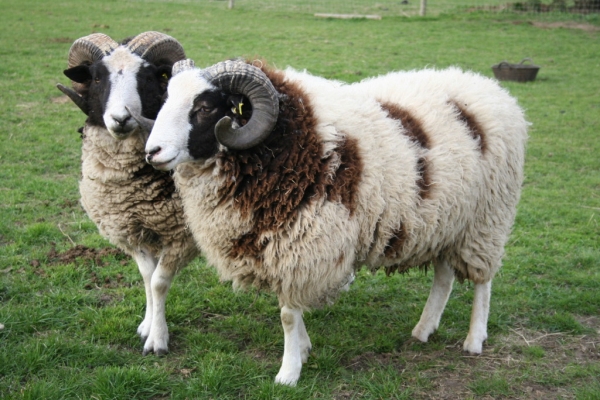
J-sheep


SONS ARE BORN TO JACOB

A wife felt that both her acceptance by her husband and her reputation (mthongs) depended on bearing sons.

Today’s story follows on directly from the description of the double wedding that we read in the previous post. We will read how the two wives fought with each other – Leah for Jacob’s love, Rachel to escape the shame (zhabs ‘dren) of her barrenness (rabs chad). 

****************

The LORD Gives Sons to Leah

བཀོད་པ 29:30-35

30ཡ་ཀོབ་ཀྱིས་ར་ཧེལ་དང་མཉམ་དུ་ཉལ་ཏེ། ཁོང་གིས་ལེ་ཨ་ལས་ར་ཧེལ་ལ་མང་བར་བྱམས་སོ། དེ་ནས་ཁོང། ཡང་ལོ་བདུན་ལ་བན་གྱི་གཡོག་བྱས་སོ༎

31ཡ་ཀོབ་ཀྱིས་ར་ཧེལ་ལ་མང་བར་བྱམས་པ་དང་། ལེ་ཨ་ལ་ཉུང་བར་བྱམས་པ་དེ་གཙོ་བོ་དཀོན་མཆོག་གིས་གཟིགས་པས། ཁོང་གིས་ར་ཧེལ་ལ་ཕྲུ་གུ་མི་སྐྱེ་བར་རབས་ཆད་མར་མཛད་དོ།

32ལེ་ཨ་མངལ་དང་ལྡན་པར་འགྱུར་ནས་བུ་ཞིག་སྐྱེས་པ་དང་། མོས། གཙོ་བོ་དཀོན་མཆོག་གིས་ངའི་སྡུག་བསྔལ་གཟིགས་ཤིང་ང་ལ་བུ་ཞིག་གནང་བས། ད་ངའི་ཁྱོས་ང་ལ་བྱམས་པ་བྱའོ་ཞེས་སྨྲས་ནས། ཁོའི་མིང་རུ་བྷེན་བཏགས་སོ།

33མོ་རང་ཡང་སྐྱར་མངལ་དང་ལྡན་པར་འགྱུར་ནས་བུ་གཞན་ཞིག་སྐྱེས་པ་དང་། གཙོ་བོ་དཀོན་མཆོག་གིས་ང་ལ་བུ་འདི་ཡང་གནང་བའི་རྐྱེན་ནི་ངའི་ཁྱོས་ང་ལ་མི་བྱམས་པ་དེ་ཁོང་གི་མཁྱེན་ནོ་ཞེས་སྨྲས་ནས། ཁོའི་མིང་སིམ་ཨོན་བཏགས་སོ།

34མོ་ཡང་སྐྱར་མངལ་དང་ལྡན་པར་འགྱུར་ནས་བུ་གཞན་ཞིག་སྐྱེས་པས། ད་ངས་ཁོས་ཆེད་དུ་བུ་གསུམ་སྐྱེས་ཆར་པ་ཡིན་པས་ངའི་ཁྱོས་ང་ལ་སེམས་ཆགས་ནས་བྱམས་ཡོང་ཞེས་སྨྲས་ནས། དེའི་མིང་ལེ་ཝི་ཞེས་བཏགས་སོ།

35ཡང་སྐྱར་མོ་མངལ་དང་ལྡན་པར་འགྱུར་ནས་བུ་གཞན་ཞིག་སྐྱེས་པ་དང་། ད་ལན་ངས་གཙོ་བོ་དཀོན་མཆོག་ལ་བསྟོད་པ་ཕུལ་བར་བྱ་ཞེས་སྨྲས་ནས། བུ་དེའི་མིང་ལ་ཡ་ཧུ་དཱ་བཏགས་སོ། དེའི་རྗེས་སུ་མོ་ལ་ཕྲུ་གུ་མ་སྐྱེས་སོ༎

At first Leah thought that Jacob would now love her. Then she thought he would become attached (chags) to her. She was wrong. But she thanked the LORD.


Jacob Has Sons Through Rachel’s Maidservant

བཀོད་པ 30:1-8

1འོན་ཀྱང་ར་ཧེལ་ལ་ཕྲུ་གུ་གཅིག་ཀྱང་མ་སྐྱེས་པས། མོས་རང་གི་གཅེན་མོ་ལ་ཕྲག་དོག་བྱས་ཤིང་། ཡ་ཀོབ་ལ་ང་ལ་ཡང་ཕྲུ་གུ་ཞིག་གནང་ཞིག་དེ་མིན་ང་ཤི་བར་བྱ་ཞེས་སྨྲས་པས།

2ཡ་ཀོབ་ཁྲོས་ཏེ་མོ་ལ། ང་དཀོན་མཆོག་ཡིན་ནམ། དཀོན་མཆོག་གིས་ཁྱོད་ལ་མངལ་དང་ལྡན་པར་མི་མཛད་དོ་ཞེས་སྨྲས་སོ།

3ར་ཧེལ་གིས། ད་ཁྱོད་ངའི་གཡོག་མོ་བྷིལ་ཧཱ་དང་མཉམ་དུ་ཉོལ་ཞིག་དང་མོ་ལ་ཕྲུ་གུ་སྐྱེས་པའི་སྒོ་ནས་ང་ཡང་མ་རུ་འགྱུར་ཐུབ་ཡོང་ཞེས་སྨྲས་སོ།

4མོས་གཡོག་མོ་བྷིལ་ཧཱ་རང་གི་ཁྱོ་ལ་སྤྲད་ནས། ཁོས་མོ་མཉམ་དུ་ཉེལ་ལོ།

5བྷིལ་ཧཱ་མངལ་དང་ལྡན་པར་འགྱུར་ནས་བུ་ཞིག་སྐྱེས་པས།

6ར་ཧེལ་གྱིས། དཀོན་མཆོག་གིས་ང་ལ་ཐུགས་བརྩེ་བར་བགྱིས་ཤིང་ངའི་སྨོན་ལམ་གསན་ནས་ང་ལ་བུ་ཞིག་གནང་བྱུང་ཞེས་སྨྲས་སོ། བུ་དེའི་མིང་ལ་དཱན་ཞེས་བཏགས་སོ། 7ཡང་སྐྱར་གཡོག་མོ་བྷིལ་ཧཱ་མངལ་དང་ལྡན་པར་འགྱུར་ནས་བུ་གཞན་ཞིག་སྐྱེས་པ་དང་། 8ར་ཧེལ་གྱིས། ད་གཅེན་མོ་དང་འཁྲུགས་པ་བརྒྱབ་ནས་ང་ལ་རྒྱལ་ཁ་ཐོབ་ཟེར་ནས། མོས་བུ་དེའི་མིང་ནཕ་ཏ་ལི་ཞེས་བཏགས་སོ།

When Bilhah gives Jacob sons, Rachel feels judged by God because they are not her own sons, but she also knows that he has answered her prayer in her competing with Leah. She gives them names which sound in the Hebrew language like ‘judged’ and ‘wrestling’ (ab tang tshad).


Jacob Has Sons Through Leah’s Maid

བཀོད་པ 30:9-13

9ལེ་ཨས་རང་ལ་ཕྲུ་གུ་སྐྱེ་རྒྱུ་ཆད་པ་དེ་ཤེས་ནས་རང་གི་གཡོག་མོ་ཛིལ་པཱ་ཡ་ཀོབ་ཀྱི་ཆུང་མར་བཏང་ངོ་།

10ཛིལ་པཱའི་བརྒྱུད་ནས་ཡ་ཀོབ་ལ་བུ་གཞན་ཞིག་བྱུང་བ་དང་།

11ལེ་ཨས་ང་ནི་བསོད་བདེ་ཅན་ཡིན་ཞེས་སྨྲས་ཏེ། བུ་དེའི་མིང་གྷཌ་ཞེས་བཏགས་སོ།

12ཛིལ་པཱ་ལ་བུ་གཞན་ཞིག་སྐྱེས་པས།

13ལེ་ཨས། ང་ནི་ཤིན་ཏུ་དགའ་བས། བུད་མེད་རྣམས་ཀྱིས་ཀྱང་ང་ལ་བཀྲ་ཤིས་པ་ཞེས་འབོད་ཡོང་སྨྲས་ཏེ། བུ་དེའི་མིང་ཨ་ཤེར་ཞེས་བཏགས་སོ།

Leah is comforted that her reputation has grown among the women of the family and household.


Leah Bears Yet More Sons

བཀོད་པ 30:14-21

14གྲོ་རྔ་བའི་དུས་སུ་རུ་བྷེན་ཞིང་ནང་སོང་ནས་ཨ་མ་ལེ་ཨའི་ཕྱིར་ཕྲུ་གུ་སྐྱེ་པ་རོགས་བྱེད་པར་རྩི་ཤིང་འཁྱེར་ཡོང་བས། ར་ཧེལ་གྱིས་མོ་ལ། ཁྱོད་ཀྱི་བུས་འཁྱེར་ཡོང་བའི་རྩི་ཤིང་དེ་ལས་ང་ལའང་འགའ་ཤས་སྟེར་ཞིག་སྨྲས་པ་དང་།

15ལེ་ཨས། ཁྱོད་ཀྱིས་ངའི་ཁྱོ་འཕྲོག་པས། དེས་ཁྱོད་ལ་ལྡང་མ་སོང་ངམ། ད་ངའི་བུའི་ཤིང་འབྲས་ཡང་འཕྲོག་པར་འདོད་དམ།

ར་ཧེལ་གྱིས་མོ་ལ། གལ་ཏེ་ཁྱོད་ཀྱིས་ང་ལ་ཤིང་འབྲས་དེ་སྟེར་ན། ཁྱོད་ལ་དེ་རིང་མཚན་མོ་ཡ་ཀོབ་དང་མཉམ་དུ་གཉིད་ལོག་གཅུག་གི་ཡིན་ཞེས་སྨྲས་སོ།

16ཕྱི་དྲོ་ཡ་ཀོབ་ཞིང་ལས་ཚར་ནས་ཁང་པར་ལོག་ཡོང་སྐབས་ལེ་ཨས་ཁོ་ལ་ཐུག་པར་ཕྱིན་ནས་མོས། ཁྱོད་དེ་རིང་མཚན་མོ་ང་དང་མཉམ་དུ་ཉལ་དགོས། གང་ལ་ཟེར་ན། ངས་ར་ཧེལ་ལ་ངའི་བུའི་ཤིང་འབྲས་སྤྲད་ནས་ཁྱོད་ལ་གླ་ཆར་ལེན་ཡོད། མཚན་དེར་ཡ་ཀོབ་ལེ་ཨ་མཉམ་དུ་ཉལ་ལོ།

17དཀོན་མཆོག་གིས་ལེ་ཨའི་སྨོན་ལམ་གསན་པར་མཛད་དེ། མོ་མངལ་དང་ལྡན་པར་འགྱུར་ནས་ཡ་ཀོབ་ཀྱི་ཆེད་དུ་བུ་ལྔ་པ་སྐྱེས་པས།

18ལེ་ཨས། ངའི་གཡོག་མོ་རང་གི་ཁྱོ་ལ་བཏང་བའི་རྐྱེན་གྱིས་དཀོན་མཆོག་གིས་ང་ལ་བྱ་དགའ་གནང་སོང་ཞེས་སྨྲས་ནས་བུ་དེའི་མིང་ཨི་ས་ཀར་བཏགས་སོ།

19ལེ་ཨ་མངལ་དང་ལྡན་པར་འགྱུར་ནས་བུ་དྲུག་པ་སྐྱེས་པས།

20མོས། དཀོན་མཆོག་གིས་ང་ལ་གསོལ་རས་ལེགས་པ་ཞིིག་གནང་བྱུང་བས། ངའི་ཁྱོས་ང་ལ་ངོས་ལེན་བྱེད་ཡོང་། གང་ལ་ཟེར་ན། ངས་ཁོ་ལ་བུ་དྲུག་སྐྱེས་པ་ཡིན། དེའི་མིང་ཛེ་བུ་ལུན་བཏགས་སོ།

21རྗེས་སུ་མོ་ལ་བུ་མོ་ཞིག་སྐྱེས་པས། མོའི་མིང་དྷི་ནཱ་བཏགས་སོ།

Rachel desired the mandrake plants for their supposed effect of causing fertility (phru gu skye tsad). So Leah barters (tshong brgyab) with her for a night spent with Jacob.

And God answered her prayers for two more sons of her own. Surely Jacob would now give her honour.


Finally a Son for Rachel

བཀོད་པ 30:22-24

22དེ་ནས་དཀོན་མཆོག་གིས་ར་ཧེལ་ལ་དྲན་གསོ་གནང་ནས། མོའི་སྨོན་ལམ་གསན་ཞིང་ཕྲུ་གུ་སྐྱེས་ཐུབ་པ་གནང་ངོ་།

23མོ་མངལ་དང་ལྡན་པར་འགྱུར་ནས་མོ་ལ་བུ་ཞིག་སྐྱེས་སོ། དཀོན་མཆོག་གིས་ངའི་ངོ་ཚ་མེད་པར་བཟོས་ནས་བུ་ཞིག་གནང་ངོ་།

24ད་དུང་གཙོ་བོ་དཀོན་མཆོག་གིས་ང་ལ་བུ་ཞིག་སྐྱེས་ཕྱིར་བྱིན་རླབས་གནང་བར་ཤོག་ཅེས་ཞུ་བ་ཕུལ་ཏེ། བུ་དེའི་མིང་ལ་ཡོ་སེབ་བཏགས་སོ༎

Rachel had prayed to God for her shame to be taken away; and now she shows gratitude to the LORD.

Her child Joseph would be the only one of Jacob’s sons to grow up having true faith in the LORD.


************


Footnote

It is a sad story. Jacob prefers one wife to the other, and the wives pray and fight for personal success.

Neither wife, nor even Jacob, see with joy that God, who sees the end from the beginning, is starting to fulfil his Promise to Abraham of numerous offspring.

And even more of His purposes will be fulfilled. For at the very beginning (Genesis 3:15) God spoke how one of the offspring of Eve would bruise the head of the serpent.

And that word of God would also come true at the right time.

Future Posts

We will read how the sons of Jacob  were the ancestors of the nation called Israel.


JACOB’S WAGES FOR HERDING

After 14 years of serving his father-in-law for his wives, Jacob asks permission to go back to his home. But Jacob had been so good at his job that Laban wanted to keep him, saying, ‘What wages do you want?’


Jacob the Good Herdsman

བཀོད་པ 30:25-31

25ཡོ་སེབ་སྐྱེས་པའི་རྗེས་སུ་ཡ་ཀོབ་ཀྱིས་ལ་བན་ལ། ད་ང་རང་གིཁང་པར་ལོག་བཅུག་རོགས་གནང་།

26ངས་ཁྱེད་ཀྱི་ཆེད་དུ་ལས་ཀ་ཧུར་ཐག་བྱས་ནས་གསོག་འཇོག་བྱེད་པའི་ངའི་ཆུང་མ་རྣམས་དང་ཕྲུ་གུ་རྣམས་ང་ལ་གནང་ཞིག་དང་། ང་ཚོ་ཚང་མ་འགྲོ་བར་བྱ། ངས་ཁྱེད་ཀྱི་ཆེད་དུ་ཞབས་ཕྱི་ཞུས་བ་དེ་ཁྱེད་ཀྱི་མཁྱེན་གསལ་རེད་ཅེས་སྨྲས་སོ།

27ལ་བན་གྱིས་ཁོ་ལ། ངས་མོ་རྒྱབ་ནས་ཁྱོད་ཀྱི་སྒོ་ནས་དཀོན་མཆོག་གིས་ང་ལ་བྱིན་རླབས་གནང་བ་དེ་ངས་ཤེས་པས།

28ཁྱོད་ལ་གླ་ཆ་གང་དགོས་པ་དེ་ཤོད་ཅིག་དང་། ངས་ཁྱོད་ལ་སྟེར་བར་བྱ་ཞེས་སྨྲས་པ་དང་།

29ཡ་ཀོབ་ཀྱིས་ཁོ་ལ། ངས་ཁྱེད་ཀྱི་གཡོག་ཧུར་ཐག་བྱས་ནས་ཁྱུ་རྣམས་ལེགས་པོ་བྱུང་ཡོད་བ་དེ་ཁྱེད་ཀྱི་ཤེས་སོ།

30ང་ས་གནས་འདིར་མ་ཡོང་པའི་སྔོན་དུ་ཁྱེད་ལ་ལོངས་སྤྱོད་དེ་ཙམ་མེད་པས། ང་ཡོང་བའི་རྐྱེན་གྱིས་དཀོན་མཆོག་གི་བྱིན་རླབས་ཀྱི་སྒོ་ནས་ཁྱོད་ཀྱི་ལོངས་སྤྱོད་རྣམས་མང་དུ་འཕེལ་ཡོད། ད་ང་རང་གི་ཁྱིམ་ཚང་གི་ཕྱིར་ལས་བྱེད་དགོས་སྨྲས་པ་དང་།

31ཁྱོད་ལ་གླ་ཆ་ཇི་ཙམ་དགོས་ཞེས་ལ་བ་ན་གྱིས་ཁོ་ལ་དྲིས་པས། ཡ་ཀོབ་ཀྱིས་ང་ལ་གླ་ཆ་མི་དགོས། འོན་ཀྱང་ངས་སྨྲས་པ་བཞིན་ཁྱེད་ཀྱིས་གནང་ན། ངས་མུ་མཐུད་ནས་ཁྱེད་ཀྱི་ཁྱུ་རྣམས་འཚོ་སྐྱོང་བྱ་རྒྱུ་ཡིན།

Jacob, not trusting Laban for a good gift at his send-off, likes the idea and suggests that he earn his wages in sheep and goats.


Jacob’s Wages Agreed

བཀོད་པ 30:32-36

32དེའི་རིང་ང་ཁྱེད་ཀྱི་ཁྱུ་ཚང་མའི་ནང་དུ་འགྲོ་བཅུག་རོགས་གནང། ལུག་གུ་ནག་པོ་རྣམས་དང་། ར་ཕྲུག་ཐིག་ལེ་ཅན་ཡང་ན་ཁྲ་ཁྲ་རྣམས་དབྱེ་རྒྱུ་ཡིན། དེ་ཚོ་ཚང་མ་ངའི་གླ་ཆར་བརྩི་བར་བྱའོ།

33མ་འོངས་པའི་དུས་སུ་ངས་ལས་དྲང་པོ་བྱས་ཡོད་མེད་ཁྱེད་ཀྱིས་ཤེས་ཐུབ་ཡོང་། ང་ལ་ལུག་གུ་ནག་པོ་དང་ར་ཕྲུག་ཐིག་ལེ་ཅན་ཡང་ན་ཁྲ་ཁྲ་རྣམས་མ་གཏོགས་གཞན་ཐོབ་མི་སྲིད། གལ་ཏེ་ཁྱེད་ཀྱི་མདོག་གཞན་ཞིག་མཐོང་ན་དེ་ནི་ངས་བརྐུས་པ་དེ་ཤེས་ཐུབ་ཅེས་སྨྲས་སོ།

34ལ་བན་གྱིས་ཁོ་ལ། ཁྱོད་ཀྱི་སྨྲས་པ་བཞིན་དུ་བྱའོ་ཞེས་སྨྲས་སོ།

35འོན་ཀྱང་ཉིན་དེར་ལ་བན་གྱིས་ར་ཕོ་དང་ར་མོ་རྣམས་ནི་ཐིག་ལེ་ཅན་ཡང་ན་ཁྲ་ཁྲ་དང་། ལུག་ནག་པོ་ཚང་མ་དབྱེས་ཏེ་རང་གི་བུ་ཚོར་ལྟ་རྟོགས་བྱེད་པར་བཞག་གོ།

36ཁོང་གི་དེ་རྣམས་འཁྲིད་དེ་ཡ་ཀོབ་ནས་ཐག་རིང་ཉིན་གསུམ་གྱི་ལམ་དུ་ཕྱིན་ཏོ། ལ་བན་ལ་ར་ལུག་གང་ལྷག་ཡོད་པ་ཚང་མ་ཡ་ཀོབ་ཀྱིས་འཚོ་སྐྱོང་བྱས་སོ།

Laban’s flock would have consisted of pure white sheep and solidly colored goats – few black sheep or speckled goats would have been present – so he agrees that Jacob can keep the young ones with those colors.  But he immediately cheats (gyo ‘phrul) Jacob, leaving no black lambs, and no speckled goats of breeding age in the flock that Jacob would be herding.


Jacob Breeds Speckled Goats

བཀོད་པ 30:37-43

37འོན་ཀྱང་ཡ་ཀོབ་ཀྱིས་ཤིང་དཀར་པོ་འཐོན་པའི་ཤིང་མི་འདྲ་བ་གསུམ་གྱི་ཡལ་ག་རྣམས་འཁྱེར་ཡོང་ངོ་། ཡང་ཁོས་ཡལ་ག་འདི་ཚོའི་པགས་པའི་བར་བར་ལ་པགས་པ་བཤུས་ནས་དཀར་པོ་ཁྲ་ཁྲ་བཟོས་སོ།

38ཁོས་ཡལ་ག་དེ་ཚོ་ར་ལུག་དེ་ཚོའི་ཆུ་འཐུང་སའི་གཞོང་པའི་མདུན་དུ་བཞག་གོ དེ་གང་ཡིན་ཞེ་ན། ར་ལུག་དེ་ཚོ་ཆུ་འཐུང་སར་ཡོང་སྐབས་དེར་སྦྱོར་བ་བྱེད་དོ།

39ར་ལུག་དེ་ཚོས་ཤིང་གི་ཡལ་གའི་མདུན་དུ་སྦྱོར་བ་བྱས་པས། དེ་ཚོས་ཕྲུ་གུ་རྣམས་ཐིག་ལེ་ཅན་དང་ཁྲ་ཁྲ་དང་དཀར་ཁྲ་སྐྱེས་སོ།

40དེ་ནས་ཡ་ཀོབ་ཀྱིས་ར་ལུག་དབྱེ་བ་ཕྱེ་ཏེ་དེ་ཚོར་ལ་བན་གྱི་ཁྱུ་ནང་ལ་ཡོད་པའི་ར་ཁྲ་ཁྲ་དང་ལུག་ནག་ཚོས་ཕྱོགས་སུ་ཁ་བལྟས་ནས་བཞག་གོ དེ་ལྟར་ཁོས་རང་གི་ཁྱུ་རྣམས་འཕེལ་བཅུག་སྟེ་ལ་བན་གྱི་ཁྱུ་ནས་ལོག་སུ་བཞག་གོ

41སེམས་ཅན་རྒྱག་པ་དེ་ཚོས་སྦྱོར་བ་བྱེད་སྐབས་ཡ་ཀོབ་ཀྱིས་ཆུ་འཐུང་སའི་གཞོང་གི་མདུན་དུཡལ་ག་དེ་རྣམས་བཞག་གི་ཡོད་དོ། དེར་བརྟེན་ཡལ་ག་རྣམས་ཀྱི་ཁྲོད་དུ་དེ་ཚོ་སྦྱོར་བ་བྱེད་ཀྱི་ཡོད་དོ།

42འོན་ཀྱང་སེམས་ཅན་སྐྱོ་པོ་སྦྱོར་བའི་སྐབས་སུ་ཁོས་ཡལ་ག་དེ་ཚོའི་མདུན་དུ་མ་བཞག་གོ དེའི་རྐྱེན་གྱིས་ལ་བན་ལ་ར་ལུག་སྐམ་པོ་རྣམས་དང་ཡ་ཀོབ་ལ་རྒྱག་པ་རྣམས་ཐོབ་བོ།

43དེ་ལྟར་ཡ་ཀོབ་ཧ་ཅང་ཕྱུག་པོ་འགྱུར་ཏེ། ཁྱུ་མང་པོ་དང་གཡོག་པོ་གཡོག་མོ་དང་རྔ་མོང་དང་བོང་བུ་རྣམས་བྱུང་ངོ་༎

Jacob used breeding (skye ‘phel) methods seeming strange to the modern scientist, but succeeded with God’s help in obtaining vigorous animals with impure coloring for himself. He built up both his livestock and his household wealth as a result.


Change of Attitude (rnam ‘gyur lok) in Laban’s Family

བཀོད་པ 31:1-3

1ཡ་ཀོབ་ཀྱིས་ང་ཚོའི་ཕའི་གང་ཡོད་པ་ཚང་མ་འཁྱེར་རོ། ཁོ་མཉམ་དུ་ཡོད་པའི་རྒྱུ་ནོར་ཚང་མ་ང་ཚོའི་ཕའི་ཡིན་ནོ་ཞེས་ལ་བན་གྱི་བུ་ཚོས་སྨྲས་པ་ཡ་ཀོབ་ཀྱིས་ཐོས་སོ།

2ལ་བན་གྱིས་ཀྱང་རང་དང་མཉམ་དུ་སྔོན་ལྟར་སྤྱོད་ལམ་ཡག་པོ་མི་བྱེད་པ་དེ་ཡང་ཡ་ཀོབ་ཀྱིས་མཐོང་ངོ་།

3དེ་ནས་དཀོན་མཆོག་གིས་ཁོ་ལ། ཁྱོད་རང་གི་ཕ་མེ་དང་གཉེན་ཚན་རྣམས་ཀྱི་རྩར་ཕྱིར་ལོག་ཅིག། ང་ནི་ཁྱོད་དང་མཉམ་དུ་གནས་པར་བྱ་ཞེས་གསུངས་སོ།

Jacob’s huge prosperity was causing resentment (zhe khon) among Laban’s sons.


Jacob Consults his Wives

བཀོད་པ 30:4-16

4དེར་བརྟེན་ཡ་ཀོབ་ཀྱིས་རང་གི་ཆུང་མ་ར་ཧེལ་དང་ལེ་ཨ་གཉིས་ལ་ར་ལུག་འཚོ་སའི་ཞིང་ནང་ཐུག་པར་ལན་བཏང་ངོ་།

5དེ་གཉིས་ལ། ཁྱོད་ཚོའི་ཕས་ང་མཉམ་དུ་སྔོན་ལྟར་སྤྱོད་ལམ་ཡག་པོ་མི་བྱེད་པ་དེ་ང་ལ་དོ་སྣང་བྱུང་། འོན་ཀྱང་ངའི་ཕའི་དཀོན་མཆོག་ང་དང་མཉམ་དུ་བཞུགས་ཡོད།

6ངས་ཁྱོད་ཚོའི་ཕའི་ཆེད་དུ་ལས་ཀ་ཧུར་ཐག་བྱས་པ་དེ་ཁྱོད་གཉིས་ཀྱི་མཐོང་ཡོད།

7འོན་ཀྱང་ཁོས་ང་ལ་མགོ་བསྐོར་བཏང་ནས་གླ་ཆ་དེ་ལན་བཅུ་ཙམ་བསྒྱུར་ཡོད། འོན་ཀྱང་དཀོན་མཆོག་གིས་ཁོས་ང་ལ་གནོད་པ་བསྐྱེལ་མ་བཅུག་གོ།

8ལ་བན་གྱིས་ངའི་གླ་ཆར་ར་ཐིག་ལེ་ཅན་རྣམས་བཏང་བའི་སྐབས་སུ་ཁྱུ་ཚོར་ཐིག་ལེ་ཅན་ར་ཕྲུག་རྣམས་སྐྱེས་སོ། ཁོས་ངའི་གླ་ཆར་ར་ཁྲ་ཁྲ་བཏང་བའི་སྐབས་སུ་ཁྱུ་ཚང་མར་ར་ཕྲུག་ཁྲ་ཁྲ་རྣམས་སྐྱེས་སོ།

9དེ་ལྟར་དཀོན་མཆོག་གིས་ཁྱོད་ཀྱི་ཕའི་ཁྱུ་རྣམས་བསྣམས་ཏེ་ང་ལ་གནང་ངོ་།

10ཁྱུ་རྣམས་སྦྱོར་བ་བྱས་སྐབས་ངས་རྨི་ལམ་ཞིག་མཐོང་བྱུང་། སྦྲུམ་མར་འགྱུར་བའི་སྐབས་སུ་ར་ཕོ་རྣམས་ཐིག་ལེ་ཅན་དང་ཁྲ་ཁྲ་དང་དཀར་ཁྲ་རྣམས་ཡོད་པ་ངས་མཐོང་ངོ་།

11ངའི་རྨི་ལམ་ནང་དུ་དཀོན་མཆོ་ག་གི་ཕོ་ཉ་ཞིག་གིས་ངའི་མིང་འབོད་དེ། ཡ་ཀོབ། ལན་དུ་ངས། ལགས་ཞུས་པས།

12ཁོང་གིས་སྨྲས་པ། སྦྱོར་བ་སྤྱོད་མཁན་ར་ཕོ་ཚང་མ་ཐིག་ལེ་ཅན་དང་ཁྲ་ཁྲ་ཡིན་པ་དེ་ལྟར་ངས་བྱས་པ་ཡིན། དེ་གང་ཡིན་ཞེ་ན། ལ་བན་གྱིས་ཁྱོད་དང་མཉམ་དུ་གང་བྱས་པ་ངས་མཐོང་བྱུང་།

13ཡུལ་བྷེ་ཐེལ་ནང་ཁྱོད་ཀྱིས་རྡོ་ཞིག་ལ་སྣུམ་བླུགས་ཏེ་བསྔོ་འབུལ་བྱས་པའི་ས་གནས་དེར་ང་ལ་མནའ་སྐྱེལ་ནས་མངོན་པར་མཛད་མཁན་དཀོན་མཆོག་དེ་ང་ཡིན། ད་ཁྱོད་གྲ་སྒྲིག་བྱས་ཏེ་རང་གི་སྐྱེས་ཡུལ་དུ་ཕྱིར་ལོག་སོང་ཞིག

14དེའི་ལན་དུ་ར་ཧེལ་དང་ལེ་ཨས་ཡ་ཀོབ་ལ། ང་ཚོ་ལ་ཕའི་ཁང་པ་ནས་ནོར་སྐལ་གང་ཡང་ལྷག་མེད་དོ།

15ཁོང་གིས་ང་ཚོ་ལ་ཕྱི་རྒྱལ་བ་ལྟར་བརྩི་པ་དང་། ཁོང་གི་ང་ཚོ་ལ་བཙོང་ནས། ད་ང་ཚོའི་ཆེད་དུ་སྤྲད་པའི་དངུལ་ཚང་མ་འགྲོ་སོང་བཏང་ཚར་རོ།

16ཁོང་ནས་དཀོན་མཆོག་གིས་བསྣམས་པའི་ནོར་ཐམས་ཅད་ང་ཚོ་དང་ང་ཚོའི་ཕྲུ་གུའི་ཡིན་ནོ། དཀོན་མཆོག་གིས་ཁྱེད་ལ་གང་གསུངས་པ་ལྟར་བྱོས་ཤིག་ཅེས་སྨྲས་སོ།

God had told him to return now to the promised land of Canaan. Rachel and Leah agree that Laban would not allow them to keep their inheritance, and Jacob senses (tshor) that the two-faced (mgo knyis ma tsha po; Nepali: slippery man/ ek dam chiplo maanchhe) Laban would find some way to hold on to all those sheep and goats that were the agreed wages of his herding.


They Flee in Secret

བཀོད་པ 31:17-21

17-18དེར་བརྟེན་ཡ་ཀོབ་ཕའི་རྩར་ཀ་ནན་ཡུལ་དུ་ལོག་པའི་ཕྱིར་གྲ་སྒྲིགས་བྱསཏེ། རང་གི་ཆུང་མ་གཉིས་དང་ཕྲུ་གུ་རྣམས་རྔ་མོང་ལ་བཞོན་བཅུག་ཅིང་། ཁོས་ཡུལ་དེའི་ནང་བསགས་པའི་ནོར་ཚང་མ་དང་ཁྱུ་ཚང་མ་འཁྲིད་དེ་ཡུལ་མེ་སོ་པོ་ཊ་མི་ཡ་ནས་ཐོན་ནོ།

19དེའི་སྐབས་སུ་ལ་བན་ལུག་གི་བལ་འབྲེག་ཕྱིར་སོང་ཡོད་དོ། ཕ་ནང་ལ་མེད་པའི་སྐབས་སུ། ཕའི་ཁྱིམ་གྱི་སྐུ་འདྲ་རྣམས་ར་ཧེལ་གྱིས་བརྐུས་སོ།

20རང་ཉིད་འགྲོ་བའི་སྐད་ཆ་གང་ཡང་མ་ལབ་པར་ཡ་ཀོབ་གསང་སྟེ་ཕྱིན་ནོ།

21ཁོ་ལ་གང་བདག་པ་ཚང་མ་འཁྱེར་ནས། གཙང་པོ་ཡུབ་རད་རྒལ་ནས་ཡུལ་གྷིལ་ཨད་ཀྱི་རི་ཕྲན་ཕྱོགས་སུ་མགྱོགས་པོར་ཐོན་ནོ༎

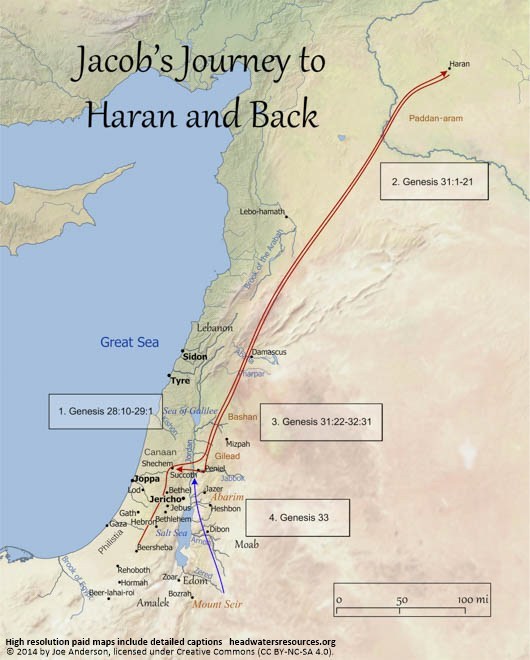
Jacob planned before Laban could use any of his own plans; he stole the plans of Laban’s heart (v. 20), and, unknown to him, Rachel had stolen her father’s household gods (which maybe he trusted as sign of his right to keep back her inheritance). They left, Jacob, with his wives and twelve children on camels, maid servants, donkey drivers, cattle, sheep and goats, and other possessions. They crossed the Great River Euphrates (see map), and set off to the south; that was before Laban learned about it.

JacobsTravels

************

Nest time we will read how Laban and male relatives gave hot chase, and caught up with them.