NOAH AND GOD’S COVENANT

Last time we read how Noah stepped out of the boat onto dry land, and he made an offering to the LORD. Then God was pleased.

************

Thoughts of Pleasure in God’s Mind

འགོད་པ། 8:22

འཇིག་རྟེན་མཐའ་མའི་བར་དུ་ནི།།

ཞིང་ལ་སོན་འདེབས་སྟོན་ཐོག་སྡུད།།

ཚ་གྲང་དབྱར་དགུན་དུས་བཞི་དང༌།།

ཉིན་མཚན་ལ་སོགས་ཆད་མེད་ཡོད།།

ཞེས་ཐུགས་ལ་དགོངས་སོ།།

Conditions for living on earth would from now on remain favourable. Never again would there be a Great Flood.


What God Said to Noah

བཀོད་པ 9:1-3

དཀོན་མཆོག་གིས་ནོ་ཨ་དང་ཁོའི་བུ་རྣམས་ལ་བྱིན་རླབས་གནང་ཞིང་གསུངས་པ། ཁྱོད་ཀྱི་ཕྲུ་གུ་མང་པོ་སྐྱེས་ནས་ས་གཞི་ཚང་མར་ཁྱོད་ཀྱི་རིགས་བརྒྱུད་གནས་པར་ཤོག། སེམས་ཅན་དང་། བྱ་བྱིའུ་དང་ཉ་ཐམས་ཅད་ཁྱོད་ཚོ་ལ་འཇིག་ཡོང་། དེ་རྣམས་ཁྱོད་ཚོའི་དབང་འོག་ཏུ་བཞག་ཡོད། ངས་ཁྱོད་ཚོ་ལ་སྔོ་ཚོད་སྟེར་བ་ཡང་ཟ་ཞིག འདི་ཚོ་ཚངམ་ངས་ཁྱོད་ཚོའི་ཁ་ཟས་ཀྱི་ཆེད་དུ་སྟེར་གྱི་ཡོད།

Noah’ descendants and the animals are to fill the earth again. Animals as well as plants are to be for man’s use.


Life is Given by God

བཀོད་པ 9:4

ཁྱོད་ཚོས་ཟ་མི་ཆོག་པ་གཅིག་ནི་ཁྲག་ཡོད་པའི་ཤ་ཡིན། མ་ཟ་ཞིག་ཅེས་ངས་བཀག་བསྡོམ་བྱེད་ཀྱིས་ཡོད། གང་ལ་ཟེར་ན། ཁྲག་གི་ནང་སྲོག་ཡོད་དོ།

Because all life belongs to God, the blood of an animal must be honoured. To this day Jewish people only eat ‘kosher’ meat, that is flesh from which the blood has been removed by draining and by the use of salt.


Human Life

བཀོད་པ 9:5-6

གལ་སྲིད་མི་སུ་ཞིག་གིས་མིའི་སྲོག་ལེན་ན། ཁོ་ལ་ཆད་པ་ཕོག་པར་འགྱུར། དུད་འགྲོས་མི་བསད་ན། ངས་དེ་ལ་འཆི་བའི་ཉེས་ཆད་གཏོང་རྒྱུ་ཡིན། མི་ནི་དཀོན་མཆོག་གི་དབྱིབས་ནང་ལྟར་བཟོས་ཡོད་པའི་རྐྱེན། སུ་ཞིག་གིས་མི་བསད་པ་ཡིན་ན་ཁོ་ལ་མི་གཞན་གྱིས་བསད་ཡོང་།

Human life is specially precious to God. For this reason law courts would be established for the trial of a killer. If it were proved to be murder, and not accidental death, then the murderer would be executed.


The Earth to be Filled again with People

བཀོད་པ 9:7

ཁྱོད་ཚོར་བུ་ཕྲུག་མང་པོ་སྐྱེས་ཤིང་བརྒྱུད་དང་ལྡན་པར་འགྱུར་ནས་འཛམ་གླིང་ཡོངས་སུ་འཕེལ་ནས་གནས་པར་འགྱུར་གསུངས་སོ།

It was God’s wish for the earth to become filled with people once again, and because of his word it happened. In Chapter 10 of Genesis we are told how Noah’s sons gave rise to the different nations on earth.


The Great Decision (zhal lce): ‘Never Again …’

བཀོད་པ 9:8-15

དཀོན་མཆོག་གིས་ནོ་ཨ་དང་ཁོང་གི་བུ་རྣམས་ལ་གསུངས་པ། ངས་ཁྱོད་དང་ཁྱོད་ཀྱི་རྗེས་ལ་ཡོང་བའི་བུ་བརྒྱུད་དང་། གསོན་པོའི་སེམས་ཅན་མཉམ་དུ་དང་། བྱ་བྱིའུ་དང་དུད་འགྲོ་དང་གྲུའི་ནང་ནས་ཁྱོད་དང་མཉམ་དུ་ཐོན་པ་ཚང་མ་དང་མཉམ་དུ་དམ་བཅའ་འདི་འཇོག་རྒྱུ་ཡིན། ཚིག་འདི་བཞིན་ཁྱོད་ཚོ་མཉམ་དུ་ཞལ་ཆེ་འཇོག་རྒྱུ་ཡིན། ད་ཕྱིན་ཆད་སྲོག་ཡོད་པ་ཐམས་ཅད་ཆུ་ལོག་གིས་མེད་པར་མི་འགྱུར་ཞིང་། ཕྱིན་ཆད་ནམ་ཡང་ས་ལ་ཆུ་ལོག་གིས་མེད་པར་མི་འགྱུར་བའི་ངས་དམ་བཅའ་འཇོག་རྒྱུ་ཡིན། ཁྱོད་ཚོ་དང་གསོན་པོའི་སེམས་ཅན་ཐམས་ཅད་དང་མཉམ་དུ་དུས་རྒྱུན་གྱི་ཆེད་དུ་བཞག་པའི་དམ་བཅའི་རྟགས་ནི་འདི་ལྟར་ཡིན། གནམ་གྱི་སྤྲིན་ནང་ངས་འཇའ་ཞིག་འཇོག་རྒྱུ་ཡིན། དེ་ནི་ངས་ས་གཞི་དང་དམ་བཅའ་བྱས་པའི་རྟགས་ཡིན་ནོ། ངས་ནམ་མཁར་སྤྲིན་པ་འཁོར་བཅུག་དུས་དེའི་ནང་འཇའ་མཐོང་སྐབས། ཁྱོད་ཚོ་དང་སེམས་ཅན་ཐམས་ཅད་ཆུ་ལོག་ནས་མེད་པར་མི་བྱུང་བའི་དམ་བཅའ་བྱས་པ་དེ་ངས་དྲན་གྱི་ཡིན།

God made a firm promise, mentioned seven times in verses 8 to 17; he said to Noah, ‘Never again will I destroy all living creatures with a Great Flood.’


The Sight of the Rainbow

བཀོད་པ 9:16-17

སྤྲིན་པའི་ནང་ཡོད་པའི་འཇའ་ལ་བལྟས་ཏེ་ང་དཀོན་མཆོག་དང་། ས་གཞི་ལ་ཡོད་པའི་སྲོག་དང་ལྡན་པ་ཚང་མ་དང་མཉམ་དུ་ངས་རྒྱུན་ཆད་མེད་པར་བྱས་པའི་དམ་བཅའ་དེ་དྲན་པར་བྱའོ། སྲོག་དང་ལྡན་པའི་མི་དང་སེམས་ཅན་ཐམས་ཅད་དང་མཉམ་དུ་ངས་དམ་བཅའ་བཞག་པའི་རྟགས་ནི་དེ་ཡིན་ནོ༎

Whenever there was a bow in a dark raincloud, the sight of it would be a sign of that great unchanging oath (dam bca’) made by God – a reminder for both God and man to see. It was a faithful promise like a sworn legal decision (zhal lce ‘jok rgyu yin) that could never be changed; and the English word for that is ‘covenant’.

The rainbow would be like God’s signature to his covenant.


**********************


Footnote:

Earth will continue as it is until Jesus comes again on the day of God’s judgment. Just as he made the world by his word (bka’), so too it will end by his word. But not by flooding. It will be by fire. You can read about this in 2 Peter 3:1-13.

Next time we will read about Abraham, who not only ‘walked’ with God in his heart, but actually walked over the earth as a pilgrim, seeking the country which God had promised to him and his descendants.

 

ABRAM’S PILGRIMAGE

The Nations Descended from Noah

In Genesis Chapters 10 and 11 is found the story of how over 8 generations Noah’s descendants gave rise to the various nations, separated from each other by language. We learn how they built cities like Nineveh, Sidon, Sodom, Babylon and Ur. Just as Cain in his pride had built the city of Enoch (Genesis 4:17), so also, both then and today, men find security and obtain fame in their great cities. But Abram was different.

**********

Abram Son of Terah

འགོད་པ། 11:10-28

10ཤེམ་གྱི་རིགས་བརྒྱུད་ནི་དེ་ལྟར་ཡིན། ཆུ་ལོག་ཡོང་བའི་ལོ་གཉིས་ཀྱི་རྗེས་སུ་ཤེམ་ལོ་ ༡༠༠ ལོན་དུས་བུ་ཨར་པག་ཤད་བྱུང་ངོ།

11དེ་རྗེས་ཁོང་ད་དུང་ལོ་ ༥༠༠ བཞུགས་པ་དང་། ཕྲུ་གུ་གཞན་ཡང་བྱུང་ངོ་།

12ཨར་པག་ཤད་ལོ་སུམ་ཅུ་སོ་ལྔ་ལོན་དུས་བུ་ཤེ་ལཱ་བྱུང་ངོ།

13དེ་རྗེས་ཁོང་ད་དུང་ལོ་ ༤༠༣ བཞུགས་པ་དང་། ཕྲུ་གུ་གཞན་ཡང་བྱུང་ངོ་།

14ཤེ་ལཱ་ལོ་སུམ་ཅུ་ལོན་དུས་བུ་ཨེ་བྷེར་བྱུང་ངོ།

15དེ་རྗེས་ཁོང་ད་དུང་ལོ་ ༤༠༣ བཞུགས་པ་དང་། ཕྲུ་གུ་གཞན་ཡང་བྱུང་ངོ་།

16ཨེ་བྷེར་ལོ་སུམ་ཅུ་སོ་བཞི་ལོན་དུས་བུ་པེ་ལེག་བྱུང་ངོ་།

17དེ་རྗེས་ཁོང་ད་དུང་ལོ་ ༤༣༠ བཞུགས་པ་དང་ཕྲུ་གུ་གཞན་ཡང་བྱུང་ངོ་།

18པེ་ལེག་ལོ་སུམ་ཅུ་ལོན་དུས་བུ་རུ་བྱུང་ངོ་།

19དེ་རྗེས་ཁོང་ད་དུང་ལོ་ ༢༠༩ བཞུགས་པ་དང་། ཕྲུ་གུ་གཞན་ཡང་བྱུང་ངོ་།

20རུ་ལོ་སུམ་ཅུ་སོ་གཉིས་ལོན་དུས་བུ་སེ་རུག་བྱུང་ངོ་།

21དེ་རྗེས་ཁོང་ད་དུང་ལོ་ ༢༠༧ བཞུགས་པ་དང་། ཕྲུ་གུ་གཞན་ཡང་བྱུང་ངོ་།

22སེ་རུག་ལོ་སུམ་བཅུ་ལོན་དུས་བུ་ན་ཧོར་བྱུང་ངོ་།

23དེ་རྗེས་ཁོང་ད་དུང་ལོ་ ༢༠༠ བཞུགས་པ་དང་། ཕྲུ་གུ་གཞན་ཡང་བྱུང་ངོ་།

24ན་ཧོར་ལོ་ཉི་ཤུ་རྩ་དགུ་ལོན་དུས་བུ་ཏེ་རཱ་བྱུང་ངོ་།

25དེ་རྗེས་ཁོང་ད་དུང་ལོ་ ༡༡༩ བཞུགས་པ་དང་། ཕྲུ་གུ་གཞན་ཡང་བྱུང་ངོ་།

26ཏེ་རཱ་ལོ་བདུན་ཅུ་ལོན་དུས་ཁོང་ཨབ་རམ་དང་ན་ཧོར་དང་ཧ་རན་གྱི་ཕ་རུ་འགྱུར་རོ༎

ཏེ་རཱའི་མི་བརྒྱུད་རྣམས།

27ཨབ་རམ་དང་ན་ཧོར་དང་ཧ་རན་གྱི་ཕ་ཏེ་རཱའི་རིགས་བརྒྱུད་ནི་འདི་ལྟར་ཡིན། ཧ་རན་ལོད་ཀྱི་ཕ་རུ་འགྱུར་རོ།

28ཁོང་གི་ཕ་ཏེ་ར་གསོན་པོར་བཞུགས་སྐབས་ཧ་རན་ནི་རང་ཉིད་སྐྱེས་པའི་ས་གནས་བྷེ་བྷི་ལོ་ནི་ཡ་གི་ཨུར་ཞེས་པའི་གྲོང་ཁྱེར་ནང་གྲོངས་སོ།


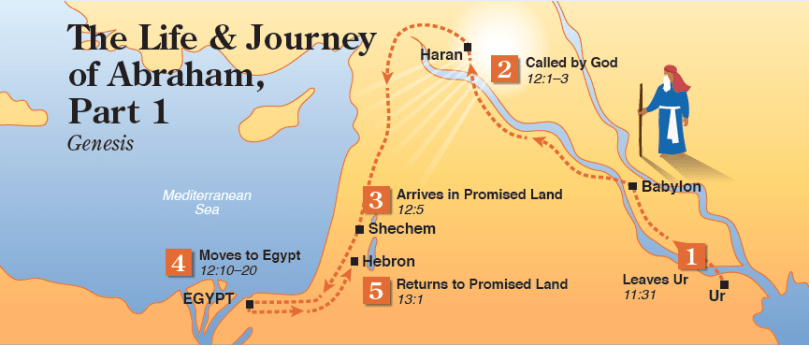
Terah was the ninth named descendant of Noah. He and his family lived in the city of Ur, whose ruins are in what is now SE Iraq. The people of Ur did not honour the LORD. Objects dug up by archaeologists show that they made offerings to the moon as a god.

Abraham

*Map source – searchingthescriptures.net


Abram’s Family

འགོད་པ། 11:27-30

27ཨབ་རམ་དང་ན་ཧོར་དང་ཧ་རན་གྱི་ཕ་ཏེ་རཱའི་རིགས་བརྒྱུད་ནི་འདི་ལྟར་ཡིན། ཧ་རན་ལོད་ཀྱི་ཕ་རུ་འགྱུར་རོ།

28ཁོང་གི་ཕ་ཏེ་ར་གསོན་པོར་བཞུགས་སྐབས་ཧ་རན་ནི་རང་ཉིད་སྐྱེས་པའི་ས་གནས་བྷེ་བྷི་ལོ་ནི་ཡ་གི་ཨུར་ཞེས་པའི་གྲོང་ཁྱེར་ནང་གྲོངས་སོ།

29ཨབ་རམ་གྱིས་ས་ར་ཡི་མཉམ་དུ་ཆང་ས་བརྒྱབ་བོ། ན་ཧོར་གྱི་ཧ་རན་གྱི་བུ་མོ་མིལ་ཀཱ་དང་ཆང་ས་རྒྱབ་བོ། ཧ་རན་ནི་ཡིསི་ཀཱའི་ཕ་ཡིན་ནོ།

30ས་ར་ཡི་ལ་ཕྲུ་གུ་མ་བྱུང་ངོ་།


Emigration

འགོད་པ། 11:31-32

31ཏེ་རཱས་རང་གི་བུ་ཨབ་རམ་དང་མནའ་མ་ས་ར་ཡི་དང་རང་གི་ཚ་བོ་ལོད་(ཧ་རན་གྱི་བུ)དང་མཉམ་དུ་འཁྲིད་ནས། ཡུལ་ཀ་ནན་ཕྱོགས་སུ་འགྲོ་བའི་ཕྱིར་བྷེ་བྷི་ལོ་ནི་ཡའི་ཨུར་གྲོང་ཁྱེར་ནས་ཐོན་ཏེ། དེ་ཚོ་ཧ་རན་དུ་སོང་ནས་དེར་གནས་སོ།

32ཏེ་རཱ་ལོ་ ༢༠༥ ལོན་ཏེ་ས་གནས་དེར་གྲོངས་སོ༎


We do not know why Abram’s father Terah led his family out of Ur. Maybe the city was under threat of attack. Whatever the reason, Abram had already heard the call of the LORD, the one true God (Acts 7:2, 3), so he was very willing to leave. They left the city where the gods of men were worshipped, and travelled 1000 km to Haran in what is now Se Turkey (see map).


God’s great Plan for Abram

འགོད་པ། 12:1

ཡ་ཝེ་དཀོན་མཆོག་གིས་ཨབ་རམ་ལ་ “ད་ཁྱོད་རང་གི་ཕ་ཡུལ་དང་གཉེན་ཚན་ཁྱིམ་ཚང་དང་ཁ་བྲལ་ཏེ་ངས་ཁྱོད་ལ་བསྟན་པའི་ཡུལ་དུ་སོང་ཞིག


Abram was told to leave his family’s new home, and travel further to see another land that would belong to him. He obeyed not knowing where he was going.


ཡ་ཧུ་དཱ་པ།  11:8    

དད་པའི་སྒོ་ནས་མེས་པོ་ཨབ་ར་ཧམ་ནི་དཀོན་མཆོག་གི་ཞལ་ཆད་ལྟར་འཐོབ་རྒྱུ་ཡིན་པའི་ཡུལ་ཞིག་ལ་འགྲོ་བར་བོས་པའི་ཚེ། གང་དུ་འགྲོ་བ་མི་ཤེས་ཀྱང་བཀའ་དེ་ལ་ཉན།


But that was not all of God’s plan for him. He promised to bless Abram’s descendants in a way that would reach in the future to all nations – to China, to Japan, to Canada, to Tibet. It was a promise that became fulfilled with the passing of time to our present time; and it is told stage by stage in the pages of scripture all the way to the last page of the book called Revelation. Believers who desired to be blessed would be blessed.


འགོད་པ། 12:2-3

2 ངས་ཁྱོད་ལ་བུ་རབས་མང་པོ་འཕེལ་བཅུག་སྟེ་ཁོ་ཚོ་རྒྱལ་ཁབ་ཆེན་པོར་འགྱུར། ཁྱོད་ནི་མི་གཞན་ལ་བྱིན་རླབས་སུ་འགྱུར་བའི་ཕྱིར་ངས་ཁྱོད་ལ་བྱིན་གྱིས་རླབས་ནས། ཁྱོད་སྙན་གྲགས་དང་ལྡན་པར་བྱ།

3 མི་སུ་ཞིག་གིས་ཁྱོད་ལ་བདེ་བ་སྟེར་ན། ངས་ཀྱང་ཁོ་ལ་བདེ་བ་སྟེར་བར་བྱ། ཡང་སུ་ཞིག་གིས་ཁྱོད་ལ་དམོད་པ་བརྒྱབ་ན། དེ་ལ་ངས་ཀྱང་ཆད་པ་གཅོད་པར་བྱ། ཡང་ཁྱོད་བརྒྱུད་ནས་འཛམ་གླིང་གི་མི་རིགས་ཐམས་ཅད་བྱིན་གྱིས་རློབ་པར་འགྱུར་” ཞེས་གསུངས།


**********


Footnote

We humans seek our own welfare and many other things. Jesus said that we should seek first to be good like God, and desire to see His blessed kingdom established. Yes. And then all our other needs would be provided as well (Matthew 6:33).

མད་ཐཱ། 6 :33

ཐོག་མར་དཀོན་མཆོག་གི་རྒྱལ་སྲིད་དང་ཁོང་གི་དྲང་བདེན་ལ་འབད་བརྩོན་བྱོས། དེ་ནས་དེ་ཚོ་ཐམས་ཅད་ཁྱེད་ཚོ་ལ་གནང་བར་འགྱུར།


Next Time

Abram goes as a pilgrim to see the land of promise.

ABRAM, PILGRIM IN THE LAND

Arrival in the Land of Promise

འགོད་པ། 12:1-7

1 ཡ་ཝེ་དཀོན་མཆོག་གིས་ཨབ་རམ་ལ་ “ད་ཁྱོད་རང་གི་ཕ་ཡུལ་དང་གཉེན་ཚན་ཁྱིམ་ཚང་དང་ཁ་བྲལ་ཏེ་ངས་ཁྱོད་ལ་བསྟན་པའི་ཡུལ་དུ་སོང་ཞིག

2 ངས་ཁྱོད་ལ་བུ་རབས་མང་པོ་འཕེལ་བཅུག་སྟེ་ཁོ་ཚོ་རྒྱལ་ཁབ་ཆེན་པོར་འགྱུར། ཁྱོད་ནི་མི་གཞན་ལ་བྱིན་རླབས་སུ་འགྱུར་བའི་ཕྱིར་ངས་ཁྱོད་ལ་བྱིན་གྱིས་རླབས་ནས། ཁྱོད་སྙན་གྲགས་དང་ལྡན་པར་བྱ།

3 མི་སུ་ཞིག་གིས་ཁྱོད་ལ་བདེ་བ་སྟེར་ན། ངས་ཀྱང་ཁོ་ལ་བདེ་བ་སྟེར་བར་བྱ། ཡང་སུ་ཞིག་གིས་ཁྱོད་ལ་དམོད་པ་བརྒྱབ་ན། དེ་ལ་ངས་ཀྱང་ཆད་པ་གཅོད་པར་བྱ། ཡང་ཁྱོད་བརྒྱུད་ནས་འཛམ་གླིང་གི་མི་རིགས་ཐམས་ཅད་བྱིན་གྱིས་རློབ་པར་འགྱུར་” ཞེས་གསུངས།

4-5 ཨབ་རམ་དགུང་ལོ་བདུན་ཅུ་དོན་ལྔ་ལོན་སྐབས་ཡ་ཝེ་དཀོན་མཆོག་གི་བཀའ་བཞིན་དུ་ཨབ་རམ་དང༌། ཁོང་གི་བཟའ་ཟླ་ས་ར་ཡེ། ཨབ་རམ་གྱི་གཅུང་པོའི་བུ་ལོཌ་ད། དེ་བཞིན་གྲོང་ཁྱེར་ཧ་རན་ལ་ཡོད་པའི་གཡོག་པོ་རྣམས་ཁྲིད་ནས་བསགས་པའི་ནོར་ཐམས་ཅད་འཁྱེར་ཏེ། ཧ་རན་གྲོང་ཁྱེར་ནས་ཐོན་ཏེ་ཡུལ་ཀ་ནཱན་དུ་སོང༌། ཀ་ནཱན་ཡུལ་དུ་སླེབས་སྐབས།

6 ཁོང་ཚོ་ཡུལ་དེ་བརྒྱུད་ནས་ཕེབས་ཤིང་ཤེ་ཀེམ་ཞེས་པའི་གནས་མཆོག་དེར་མོ་རེ་ཞེས་པའི་བེ་ཤིང་ཆེན་མོའི་འགྲམ་དུ་སླེབས། (སྐབས་དེ་དུས་ཀ་ནཱན་པ་རྣམས་ཀྱང་ཡུལ་དེར་གནས་བཞིན་ཡོད་)

7 དེ་ནས་ཡ་ཝེ་དཀོན་མཆོག་གིས་ཨབ་རམ་ལ་མངོན་པར་མཛད་དེ་ “ངས་ཁྱོད་ཀྱི་བུ་རྒྱུད་རྣམས་ལ་ཡུལ་འདི་སྤྲོད་པར་བྱ་” ཞེས་གསུངས། ས་ཆ་དེར་ཨབ་རམ་གྱིས་ཞལ་མཇལ་གནང་བའི་ཡ་ཝེ་དཀོན་མཆོག་ལ་གུས་བཀུར་བྱེད་པའི་ཕྱིར་མཆོད་ཁྲི་ཞིག་བརྩིགས་ནས།


It had been a 1000km trek from Ur to Haran; and now Abram travels a further 700km to Canaan, leaving the rest of his family behind in Haran. And the Lord said to him, ‘This is the land’. And Abram made an offering to him.


A Nomad in the Land

འགོད་པ། 12:8-9

8དེའི་རྗེས་སུ་ཡུལ་བེ་ཐེལ་གྱི་ཤར་ཕྱོགས་སུ་ཡོད་པའི་རི་ཞིག་ཏུ་ཕྱིན་ནས། བེ་ཐེལ་གྱི་ནུབ་ཕྱོགས་དང་ཨེ་ཞེས་པའི་ཡུལ་གྱི་ཤར་ཕྱོགས་སུ་ཡོད་པའི་གནས་ཤིག་ཏུ་གུར་ཕུབ་པ་དང་། དེར་ཁོང་གི་རང་གི་གཙོ་བོ་དཀོན་མཆོག་ལ་མཆོད་ཁྲི་ཞིག་བཟོས་ཏེ་མཆོད་པ་ཕུལ་ལོ།

9དེ་ནས་ཁོང་ས་གནས་གཅིག་ནས་གཞན་དུ་ཕྱིན་ཞིང་། ཡུལ་ཀ་ནན་གྱི་ལྷོ་ཕྱོགས་སུ་སོང་ངོ་༎


Stage by stage Abram travels to view the land, giving thanks to God as he goes. But the land is still occupied by Canaanites (descendants of Canaan, a grandson of Noah).


Famine

འགོད་པ། 12:10-20

10འོན་ཀྱང་ཀ་ནན་གྱི་ཡུལ་དུ་མུ་གེ་ཤོར་ཡོད་པས། ཨབ་རམ་བྱེས་སུ་གནས་པའི་ཕྱིར་ཨི་ཇིབ་དུ་ཕྱིན་ནས་དེར་གནས་སོ།

11ཨི་ཇིབ་ཀྱིི་ས་མཚམས་སུ་སླེབས་རན་སྐབས་ཨབ་རམ་གྱིས་རང་གི་ཆུང་མ་ས་ར་ཡི་ལ་སྨྲས་པ། ཁྱོད་ནི་བལྟ་བ་ལ་མཛེས་པོ་ཡོད་པས།

12འོན་ཀྱང་ཨི་ཇིབ་པ་རྣམས་ཀྱིས་ཁྱོད་མཐོང་ནས་ངའི་ཆུང་མ་ཡིན་པར་ཤེས་ཏེ། དེ་ཚོས་ང་བསད་དེ་ཁྱོད་གསོན་པོར་འཇོག་པར་འགྱུར་རོ།

13དེའི་ཕྱིར་ཁྱོད་ནི་ངའི་སྲིང་མོ་ཡིན་ཞེས་ལབ་ཅིག། དེ་ལྟར་བྱས་ན་ཁོང་ཚོས་ང་ལ་སྤྱོད་ལམ་ཡག་པོ་བྱས་ཏེ་ངའི་སྲོག་ཐར་བར་འགྱུར།

14དེ་ནས་ཨབ་རམ་ཨི་ཇིབ་དུ་བསླེབས་པ་དང་། ཡུལ་མི་རྣམས་ཀྱིས་ཁོའི་ཆུང་མ་ཤིན་ཏུ་མཛེས་པོ་ཡོད་པ་མཐོང་ནས།

15རྒྱལ་པོའི་ལས་བྱེད་པ་རྣམས་ཀྱིས་ཀྱང་མོ་རང་མཛེས་པོ་ཡོད་པའི་སྐོར་རྒྱལ་པོ་ལ་ཞུས་པས། མོ་རང་ཕོ་བྲང་ནང་དུ་འཁྲིད་དོ།

16མོ་རང་གི་ཕྱིར་རྒྱལ་པོས་ཨབ་རམ་ལ་གུས་ཞབས་བྱེད་དེ། ར་ལུག་དང་། བ་གླང་དང་། བོང་བུ་དང་། རྔ་མོང་དང་། བྲན་གཡོག་དང་བྲན་མོ་རྣམས་གནང་ངོ་།

17འོན་ཀྱང་ཨབ་རམ་གྱི་ཆུང་མ་ས་ར་ཡིའི་ཕྱིར་རྒྱལ་པོ་དང་ཕོ་བྲང་ནང་ཡོད་པའི་མི་རྣམས་ཀྱི་ཁྲོད་དུ་གཙོ་བོ་དཀོན་མཆོག་གིས་ནད་སྡུག་པོ་རྣམས་གཏོང་གནང་ངོ་།

18དེ་ནས་རྒྱལ་པོས་ཨབ་རམ་ལ་བོས་ནས་འདྲི་བ། ཁྱོད་ཀྱིས་ང་དང་མཉམ་དུ་དེ་ལྟར་ཅི་ལ་བྱས་པ་ཡིན་ནམ། ས་ར་ཡི་ནི་ཁྱོད་ཀྱི་ཆུང་མ་ཡིན་ཟེར་ཅིའི་ཕྱིར་ང་ལ་མ་བཤད་དམ།

19མོ་ངའི་སྲིང་མོ་ཡིན་ཟེར་ནས་ཅིའི་ཕྱིར་ལབ་བམ། མོ་ངའི་ཆུང་མར་འགྱུར་བཅུག་པར་ཅི་ཕྱིར་སྤྲད་པ་ཡིན་ནམ། ད་ཁྱོད་རང་གི་ཆུང་མ་འདི་རུ་ཡོད། མོ་ལ་འཁྲིད་དེ་སོང་ཞིག

20རྒྱལ་པོས་རང་གི་མི་རྣམས་ལ་བཀའ་གནང་བ་ལྟར། དེ་ཚོའི་ཨབ་རམ་དང་ཁོའི་ཆུང་མ་དང་ཁོང་ལ་ཡོད་པའི་ནོར་དང་བཅས་པ་ཨི་ཇིབ་ནས་བཏང་ངོ་༎


For a while Abram and those with him stay in Egypt where there was pasture. But there was danger on account of the beauty of his wife Sarai. Although he had lied to the king, God rescued Abram by having him expelled.


Not Enough Pasture

འགོད་པ།  13:1-7

1དེ་ནས་ཨབ་རམ་དང་རང་གི་ཆུང་མ་དང་ཁོ་ལ་ཡོད་པའི་ནོར་ཐམས་ཅད་འཁྱེར་ནས་ལོད་དང་བཅས་པ་ཨི་ཇིབ་ནས་ཀ་ནན་གྱི་ལྷོ་ཕྱོགས་ཁུལ་དུ་སོང་ངོ་།

2ཨབ་རམ་ཧ་ཅང་ཕྱུག་པོ་ཡིན་པ་དང་། ཁོང་ལ་ར་ལུག་དང་། བ་གླང་དང་། གསེར་དངུལ་མང་པོ་ཡོད་པ་ཡིན་ནོ།

3དེ་ནས་ཁོང་གིས་ས་ཆ་དེ་སྤངས་ཏེ་ས་གནས་སྤོས་བཞིན་ཡུལ་བྷེ་ཐེལ་ཕྱོགས་སུ་སོང་ངོ་། ཁོང་གིས་སྔོན་དུ་རང་གི་གུར་ཕུབ་ནས་བསྡད་པའི་བྷེ་ཐེལ་དང་ཨེ་ཀྱི་ཁྲོད་ཀྱི་ས་གནས་སུ་སླེབས་སོ།

4སྔོན་དུ་ཁོས་མཆོད་ཁྲི་ཞིག་བཟོསཡོད་པ་དང་། དེར་གཙོ་བོ་དཀོན་མཆོག་ལ་མཆོད་པ་ཕུལ་ལོ།

5ལོད་ལའང་ར་ལུག་བ་གླང་སོགས་དང་། རང་གི་ནང་མི་དང་གཡོག་པོ་བཅས་ཡོད་པ་ཡིན་ནོ།

6ཁོང་གཉིས་ཀྱི་ཕྱུགས་ཟོག་གི་ཆད་དུ། རྩ་ཁ་མང་པོ་མེད་པའི་རྐྱེན་མཉམ་དུ་བསྡད་མི་སྲིད་པ་བྱུང་ངོ་། གང་ལ་ཟེར་ན། དེ་ཚོའི་ཕྱུགས་ཟོག་མང་པོ་ཡོད་པ་ཡིན་ནོ།

7དེའི་རྐྱེན་གྱིས་ཨབ་རམ་དང་ལོད་ཀྱི་ཁྱུའི་རྫི་བོ་རྣམས་ཀྱི་བར་ལ་འཁྲུགས་རྩོད་བྱུང་ངོ་། དེ་སྐབས་ཀ་ནན་པ་དང་པེ་རི་ཟི་པ་རྣམས་ཡུལ་དེའི་ནང་གནས་བཞིན་ཡོད་དོ།


With their flocks grown so large it was time for Abram and Lot to separate


Abram Stays in the Land

འགོད་པ།  13:8-13

8དེ་ནས་ཨབ་རམ་གྱིས་ལོད་ལ་སྨྲས་པ། ང་གཉིས་གཉན་མཚན་ཡིན་པས། ངེད་གཉིས་ཀྱི་མི་རྣམས་དེ་ལྟར་འཁྲུགས་རྩོད་བྱེད་མི་ཉན།

9དེའི་རྐྱེན་ང་ཚོ་སོ་སོར་འགྲོ་བ་ལེགས་པས། ཁྱོད་ཀྱི་འདོད་པ་ལྟར་ས་ཆ་འདམས་ཤིག། ཁྱོད་ཕྱོགས་གཅིག་ཏུ་སོང་ཞིག ང་ཕྱོགས་གཞན་དུ་འགྲོ་རྒྱུ་ཡིན།

10ལོད་ཀྱིས་ཕྱོགས་བཞིར་བལྟས་ཏེ་ཆུ་ཤིན་ཏུ་འབོལ་པོ་ཡོད་པའི་ཡོར་དན་ལུང་གཤོང་ནི་ཛོ་ཨར་བར་དུ་ཁྱབ་ཡོད་པ་མཐོང་ངོ་། དེར་གཙོ་བོ་དཀོན་མཆོག་གི་ལྡུམ་ར་ཨི་ཇིབ་ཡུལ་དང་འདྲ་བ་ཡོད་པ་ཡིན་ནོ། ས་གནས་དེ་ནི་གཙོ་བོ་དཀོན་མཆོག་གིས་སོ་དྷོམ་དང་གོ་མོ་ར་མེད་པར་གནང་བའི་སྔོན་གྱི་ལོ་རྒྱུས་ཡིན་ནོ།

11དེ་ལྟར་ལོད་ཀྱིས་ཡོར་དན་ལུང་གཤོང་ཆ་ཚང་འདམས་ནས་ཤར་ཕྱོགས་སུ་སོང་ངོ་། དེ་ལྟར་གཉན་མཚན་གཉིས་སོ་སོར་གྱེས་སོ།

12ཨབ་རམ་ཀ་ནན་ཡུལ་ནང་གནས་པ་དང་། ལོད་ནི་ལུང་གཤོང་གི་གྲོང་ཁྱེར་རྣམས་ཀྱི་ཁྲོད་དུ་སོ་དྷོམ་གྱི་ཉེ་འགྲམ་དུ་གནས་སོ།

13སོ་དྷོམ་གྱི་མི་རྣམས་ངན་པ་ཡིན་པ་དང་གཙོ་བོ་དཀོན་མཆོག་གི་སྤྱན་སྔར་སྡིག་པ་ཚབ་ཆེན་བྱས་སོ༎


Lot chose to go down into the well-watered Great Rift Valley, where he could also enjoy the cities with their comforts. He later had a house in Sodom. But Abram chose to remain as a tent-dweller in the land that God had promised.


The Lord Encourages Abram

འགོད་པ།  13:14-16   

14 ལོཌ་ད་ཨབ་རམ་དང་གྱེས་པའི་རྗེས་སུ་ཡ་ཝེ་དཀོན་མཆོག་གིས་ཨབ་རམ་ལ་ “ཁྱོད་ལངས་པའི་ས་ནས་ཕྱོགས་བཞི་ལ་ལྟོས་དང༌།

15 ཁྱོད་ཀྱིས་མཐོང་བའི་ཡུལ་ཐམས་ཅད་ནི་ངས་ཁྱོད་དང་ཁྱོད་ཀྱི་བུ་རྒྱུད་རྣམས་ལ་སྤྲོད་པར་བྱ་སྟེ་དེ་རྣམས་དུས་གཏན་དུ་ཁྱོད་ཚོའི་ཡིན།

16 ཁྱོད་ཀྱི་བུ་རྒྱུད་ཀྱི་གྲངས་མི་སུ་ཞིག་གིས་ཀྱང་བརྩི་མི་ཐུབ། གང་ལགས་ཟེར་ན། ངས་ཁྱོད་ཀྱི་བུ་རྒྱུད་ནི་སའི་རྡུལ་དང་མཉམ་པར་འཕེལ་དུ་འཇུག་པར་བྱ།


God is gracious and rewards Abram by adding to his promise of the land a promise of many descendants as well.


Camping in Tents

འགོད་པ།  13:17-18

17 ད་ཡུལ་ཚང་མར་སོང་ནས་ལྟོས་ཤིག གང་ལགས་ཤེ་ན། ངས་ཁྱོད་ལ་ཡུལ་ཀུན་སྟེར་བར་བྱ་” ཞེས་གསུངས།

18 དེ་ནས་ཨབ་རམ་གྱིས་གུར་བསྡུས་ཏེ་ཧེབ་རོན་ཟེར་བའི་ཡུལ་ལ་ཕྱིན་ནས་མམ་རེ་བྱ་བའི་བེ་ཤིང་གི་འཁྲིས་ལ་གནས་ཏེ། ས་ཆ་དེར་ཡ་ཝེ་དཀོན་མཆོག་ལ་མཆོད་ཁྲི་ཞིག་བརྩིགས་སོ།།


Having been told to continue inspecting the land, Abram makes an altar for offerings on the south east side, where he settles for a while.

********************

Footnote

In later chapters of Genesis we shall be reading how Abram with his son and grandson would continue as nomads, not seeking the impermanent (mi rtag pa) comforts and security of an earthly city. It is a picture of the journey that we must make in believing that Jesus has promised us unfading life in heaven.

ཡ་ཧུ་དཱ་པ།  11:9-10

9 དད་པའི་སྒོ་ནས་གནས་གཡར་བ་ལྟར་ཞལ་ཆད་མཛད་པའི་ཡུལ་དེ་ལ་བསྡད་དེ། ཁོང་དང་ཞལ་ཆད་འཛིན་མཁན་ཡིན་པའི་ཨི་སཱག་དང་ཡ་ཀོབ་ལྟར་གུར་རྣམས་ལ་བསྡད།

10 རྒྱུ་མཚན་ནི་ཁོང་གིས་དཀོན་མཆོག་གིས་འཆར་འགོད་དང་སྐྲུན་གནང་བའི་གཏན་གྱི་རྨང་གཞི་ཡོད་པའི་གྲོང་ཁྱེར་མཆོག་དེ་ཡིད་རྟོན་ནས་བསྒུགས།

But Abram still does not have a son. We shall read next time how his faith is tested as he and Sarai grow older and older.

God rewards those who continue to believe today even when the permanent truth (rtag pa) of a promised land and a heavenly city cannot be seen with the eyes.

Jesus said, “Blessed are those who have not seen and yet have believed” (John 20:29)

Abr to Egypt

Source – Zondervan on Twitter