To Believe in Jesus – Part 37

To Believe in Jesus – Part 37


ཡོ་ཧ་ནན། 4:43-46

43དེ་ཡང་ཉིན་གཉིས་ཀྱི་རྗེས་སུ། སྐྱབས་མགོན་ཡེ་ཤུ་གནས་དེ་དང་བྲལ་ནས་ག་ལིལ་ཡུལ་དུ་ཕེབས་པ་རེད། 44ཅིའི་ཕྱིར་ཞེ་ན། སྐྱབས་མགོན་ཡེ་ཤུས་སྔ་མོ་ནས་འདི་སྐད༌དུ། ལུང་སྟོན་པ་ལ་རང་ཡུལ་ནས་བརྩི་བཀུར་མི་བྱེད་ཅེས་བདེན་དཔང་མཛད་པས༌སོ།། 45དེ་ནས་ཁོང་ཉིད་ག་ལིལ་ཡུལ་དུ་བྱོན་པའི༌ཚེ། སྔོན་ཆད་ཡུལ་དེའི་མི་རྣམས་ཡེ་རུ་སཱ་ལེམ་གྱི་པེ་སག་གི་དུས་ཆེན་ལ་སོང༌ཞིང༌། ཁོང་གིས་གནས་དེ་རུ་མཛད་པའི་ངོ་མཚར་བའི་དོན་ཐམས་ཅད་ཀྱང་མཐོང་མྱོང་བས་ཁོང་ལ་བསུ་བ་བྱས་སོ།།

46དེ་ནས་སྐྱབས་མགོན་ཡེ་ཤུ་སླར་ཡང་ཆུ་རྒུན་ཆང་དུ་བསྒྱུར་མྱོང་བའི་ག་ལིལ་ཡུལ་གྱི་ཀ་ནཱ་རུ་ཕེབས་པ༌དང༌། གནས་དེར་བློན་ཆེན་ཞིག་ཡོད་པའི་བུ་ནི་ཀཱ་ཕར་ན་ཧུམ་དུ་ཡོད་ཅིང་ན་ཚ་བྱུང་བ་རེད།

John 4:43-46

43 After the two days he departed for Galilee. 44 (For Jesus himself had testified that a prophet has no honor in his own hometown.) 45 So when he came to Galilee, the Galileans welcomed him, having seen all that he had done in Jerusalem at the feast. For they too had gone to the feast. 46 So he came again to Cana in Galilee, where he had made the water wine. And at Capernaum there was an official whose son was ill


Jesus was from Nazareth and what the author of John recorded “a prophet has no honor in his own hometown” most likely refer to Nazareth and not the whole region of Galilee.

Looking at this map here, Jesus traveled north after leaving Sychar of Samaria.
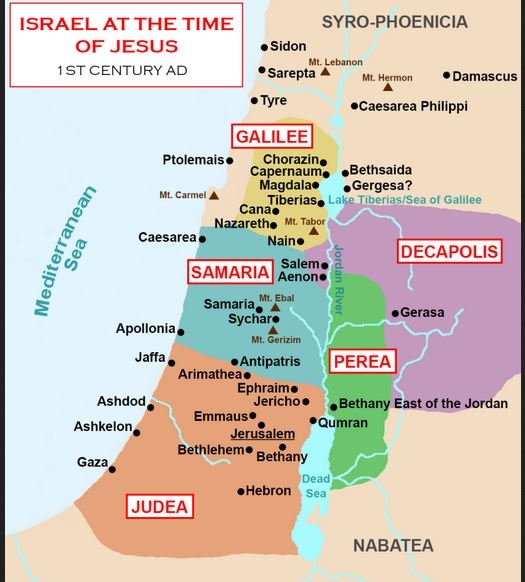
The Galileans who welcomed Jesus, this was most likely happening in Cana where Jesus turned water into wine when He was invited to a wedding feast. And Jesus went further north to Capernaum.

When Jesus moved from places to places preaching the kingdom of God we do read of divisions and differences of opinions. But we must take note that those we receive Jesus gets more of His teachings.

Those who receive Jesus’ words and teachings accepted the value and importance of the words of Christ. These people whose hearts and minds were open to Jesus most likely were intentionally waiting for the Messiah to save them from sin and judgement and eternal condemnation. These people who believe in Jesus believed in hope of eternal life in the presence of God.


To believe in Jesus is to have hope of eternal life in the presence of God.


So while Jesus continues to travel and minister we continue to read of divisions and differences of opinions and responses. That addresses the issue of human decision and human will to believe and receive Jesus as Lord and Savior.

We know that not only we must believe in Jesus to have hope of eternal life but we must continue to believe till we meet Jesus in person. This calls for perseverance of our faith.

Consider what Jesus said in Matthew in the context of the Parable of the Sower –


མད་ཐཱ། 13:10-17

10དེ་ནས་ཐུགས་སྲས་རྣམས་ཡོང་སྟེ་ཁོང་ལ་ན༌རེ། ཁྱེད་ཀྱིས་ཅིའི་ཕྱིར་མི་རྣམས་ལ་དཔེའི་སྒོ་ནས་གསུངས་པ་ཡིན་ནམ་ཞེས་ཞུས་པ༌ན། 11སྐྱབས་མགོན་ཡེ་ཤུས་འདི་སྐད༌དུ། ནམ་མཁའི་རྒྱལ་སྲིད་ཀྱི་གསང་བ་རྣམས་ནི་ཁྱོད་ཅག་ལ་ཤེས་སུ་འཇུག་པ་ལས་མི་དེ་རྣམས་ལ་མངོན་པ་མ༌ཡིན། 12རྒྱུ་མཚན་ནི་སུ་ཞིག་ལ་ཡོད་པ་དེ་ལ་ད་དུང་ཡང་གནང་ངེས་ཤིང་དེ་ལ་ལྷག་མའང་ཡོད་པར༌འགྱུར། འོན་ཀྱང་སུ་ཞིག་ལ་མེད་པ་དེ་ལས་ཉུང་ཙམ་ཡོད་པ་དེའང་ཕྱིར་ལེན་པར་འགྱུར་བའི་ཕྱིར༌ཡིན། 13དེའི༌ཕྱིར། བདག་གིས་མི་དེ་རྣམས་ལ་དཔེའི་སྒོ་ནས་བཤད་པའི་རྒྱུ་མཚན༌ནི། དེ་རྣམས་ཀྱིས་མིག་གིས་བལྟས་ཀྱང་མི་མཐོང་བ༌དང༌། རྣ་བས་མཉན་ཡང་མི་ཐོས་ཤིང་མི་རྟོགས་པའི་ཕྱིར༌རོ།། 14དེ་ལ་ལུང་སྟོན་པ་ཡེ་ཤ་ཡཱའི་ལུང་བསྟན་ལས་ཇི་སྐད༌དུ།

རྣ་བས་ཐོས་ཀྱང་ཅི་ཡང་མི་ཤེས༌ཤིང༌།།

མིག་གིས་མཐོང་ཡང་ཅི་ཡང་མི་རྟོགས༌པ།།

15དེ་རྣམས་སེམས་ནི་གྱོང་པོར་གྱུར་པ༌དང༌།།

རྣ་བས་མི་མཉན་མིག་ཟུང་བཙུམས་པས༌སོ།།

དེ་ལྟར་མིན་ན་མིག་གིས་མཐོང་བ༌དང༌།།

རྣ་བས་ཐོས་ཤིང་བློ་ཡིས་རྟོགས་པ༌དང༌།།

ཕྱིར་དུ་འཁོར་ནས་ངས་ཀྱང་དེ་རྣམས༌ནི།།

གསོ་ཞིང་དྲག་པར་བྱེད་པ་ཡིན་ལགས༌སོ།།

ཞེས་ལུང་བསྟན་གནང་བ་ལྟར་ཁོ་རྣམས་ཀྱི་སྟེང་དུ་འགྲུབ་བཞིན༌འདུག 16འོན༌ཀྱང༌། ཁྱོད་ཅག་གི་མིག་གིས་མཐོང་བའི༌ཕྱིར། ཁྱོད་ཅག་གི་མིག་ནི་བདེ་བ༌ཡིན། ཁྱོད་ཅག་གི་རྣ་བས་ཐོས་པའི༌ཕྱིར། ཁྱོད་ཅག་གི་རྣ་བ་བདེ༌བའོ།། 17བདག་གིས་ཁྱོད་རྣམས་ལ་བདེན་པར་སྨྲ༌སྟེ། སྔར་ལུང་སྟོན་པ་དང་མི་གཞུང་དྲང་མང་པོས་ཁྱོད་རྣམས་ཀྱིས་མཐོང་བ་དེ་དག་ལ་བལྟ་འདོད་ནའང་མཐོང་མ༌མྱོང༌། ཁྱོད་རྣམས་ཀྱིས་ཐོས་པ་དེ་དག་ལ་ཉན་འདོད་ཀྱང་མ་ཐོས༌སོ།།

Matthew 13:10-17

10 Then the disciples came and said to him, “Why do you speak to them in parables?” 11 And he answered them, “To you it has been given to know the secrets of the kingdom of heaven, but to them it has not been given. 12 For to the one who has, more will be given, and he will have abundance, but from the one who has not, even what he has will be taken away. 13 This is why I speak to them in parables, because seeing they do not see, and hearing they do not hear, nor do they understand. 14 Indeed, in their case the prophecy of Isaiah is fulfilled that says:

“‘“You will indeed hear but never understand, and you will indeed see but never perceive.”

15 For this people’s heart has grown dull, and with their ears they can barely hear, and their eyes they have closed, lest they should see with their eyes and hear with their ears and understand with their heart and turn, and I would heal them.’

16 But blessed are your eyes, for they see, and your ears, for they hear. 17 For truly, I say to you, many prophets and righteous people longed to see what you see, and did not see it, and to hear what you hear, and did not hear it.


Jesus quoted from the prophet Isaiah which address the rejection of God’s word


15དེ་རྣམས་སེམས་ནི་གྱོང་པོར་གྱུར་པ༌དང༌།།

རྣ་བས་མི་མཉན་མིག་ཟུང་བཙུམས་པས༌སོ།།

དེ་ལྟར་མིན་ན་མིག་གིས་མཐོང་བ༌དང༌།།

རྣ་བས་ཐོས་ཤིང་བློ་ཡིས་རྟོགས་པ༌དང༌།།

ཕྱིར་དུ་འཁོར་ནས་ངས་ཀྱང་དེ་རྣམས༌ནི།།

གསོ་ཞིང་དྲག་པར་བྱེད་པ་ཡིན་ལགས༌སོ།།

ཞེས་ལུང་བསྟན་གནང་བ་ལྟར་ཁོ་རྣམས་ཀྱི་སྟེང་དུ་འགྲུབ་བཞིན༌འདུག

15 For this people’s heart has grown dull, and with their ears they can barely hear, and their eyes they have closed, lest they should see with their eyes and hear with their ears and understand with their heart and turn, and I would heal them.’


What does it mean “people’s heart has grown dull“?

And “their ears they can barely hear“?

And furthermore “their eyes they have closed“?

Whatever the reasons, these positions points to human will human decision. The words of God have been proclaimed since times of old but people can choose to receive or reject.

The positive reactions of the Samaritans at Sychar of Samaria were due to their hearts and minds being open to receive what Jesus had to say to them and they were waiting for the Messiah to save them.

Likewise among the Galileans those who receive Jesus heard more but those who rejected their hearts remains closed.


Our human will and decision to believe and receive Jesus opens the way for restoration of relationship with God.


The sacrifices Jesus made to preach the kingdom of God calling for repentance continues to be met with resistances, persecutions, and disruptions, but our Lord and Savior kept going. We must be encouraged to do likewise.

Let’s consider what was it that encourages Jesus


ལོ་ཀུ 15:7

7བདག་གིས་ཁྱོད་རྣམས་ལ་སྨྲ་བར་བྱ༌སྟེ། དཔེ་དེ་བཞིན་དུ་འགྱོད་བཤགས་བྱེད་མི་དགོས་པའི་མི་གཞུང་དྲང་དགུ་བཅུ་གོ་དགུ༌ལས། མི་སྡིག་ཅན་གཅིག་གིས་འགྱོད་བཤགས་བྱས༌ན། ནམ་མཁའི་ཞིང་ཁམས་སུ་དེ་ལས་ལྷག་པར་དགའ་སྤྲོ་ཆེན་པོ་སྐྱེ་བར་འགྱུར་ཞེས་གསུངས༌སོ།།

Luke 15:7

Just so, I tell you, there will be more joy in heaven over one sinner who repents than over ninety-nine righteous persons who need no repentance.


Our receptivity and obedience to Jesus’ words do brings joy to our Father in heaven and I believe this is what kept Jesus going even when faced with persecution.

When we believe Jesus and repent of our sins we bring joy to heavenly host, and when we share the gospel and others believe we bring more joy to those in heaven waiting for the ultimate redemption we read of in the book of Revelation.

We are encouraged to persevere in faith and to preach Jesus, amen.


To be continue …


David Z

To Believe in Jesus – Part 36

To Believe in Jesus – Part 36


ཡོ་ཧ་ནན། 4:41 – ཁོང་གིས་ཆོས་གསུངས་པས་དད་པ་བྱེད་མཁན་ཡང་སྔར་ལས་ཇེ་མང་དུ་གྱུར་ཏོ།།

John 4:41 – And many more believed because of his word.


So the Samaritans invited Jesus to stay and preach to them because they wanted to hear directly from the person whom they expected to be the Messiah after what the woman at the well told them.

The author of the Gospel of John intentionally recorded Jesus stayed two days with them. This piece of information may not be significance for us today but to compare and contrast the circumstances Jesus went through during His years of public ministry this revealed something important about preaching the kingdom of God and calling for repentance and how people would react and response.

Remember the opening few verse of John 4, we read of why Jesus had to move and change location to continue His ministry


ཡོ་ཧ་ནན། 4:1-4

1དེ་ཡང་གཙོ་བོས་རྗེས་འབྲང་པ་བསྡུས་པ་དང་ཁྲུས་གསོལ་མཛད་པ་ནི་ཁྲུས་གསོལ་མཁན་ཡོ་ཧ་ནན་ལས་ཀྱང་མང་པོ་ཡིན་པ་ཕ་རུ་ཤི་པ་རྣམས་ཀྱིས་ཐོས་སོ།། 2དོན་དམ་དུ་སྐྱབས་མགོན་ཡེ་ཤུས་དངོས་སུ་ཁྲུས་གསོལ་མཛད་པ་མ་ཡིན་པར་ཁོང་གི་ཐུགས་སྲས་རྣམས་ཀྱིས་ཁྲུས་གསོལ་བྱས་པ༌ཡིན། 3དེ་ནས་སྐྱབས་མགོན་ཡེ་ཤུ་ཁོང་ཉིད་ཡ་ཧུ་དཱའི་ཡུལ་དང་ཁ་བྲལ་ནས་ག་ལིལ་ཡུལ་དུ་ཕྱིར་ཕེབས༌སོ།།

4ཁོང་ཉིད་སཱ་མར་ཡ་ཡུལ་བརྒྱུད་ནས་ཕེབས་དགོས༌ཤིང༌།


John 4:1-4

Now when Jesus learned that the Pharisees had heard that Jesus was making and baptizing more disciples than John 2 (although Jesus himself did not baptize, but only his disciples), 3 he left Judea and departed again for Galilee. 4 And he had to pass through Samaria.


Throughout the records of the Four Gospels, Matthew, Mark, Luke, and John, how often we read of Jesus having to move and change locations to continue His ministry of preaching due to opposition, persecution, possible dangers and disruptions? And the most telling situation when they needed to move was when they were not welcomed due to disbelieve. All these happened too often that Jesus’ disciples were expecting it wherever they went.

Apparently when the Gospels record of positive responses there seem to be with element of surprises. Remember when Jesus was amazed by the faith of a Roman Centurion.

So now here in John 4, Jesus was invited to stay and preach more to the Samaritans! Does that surprise the disciples? Why did these Samaritans react so differently?


Because they believed in what Jesus said and wanted to hear more!


Here in the Gospel of John the author deliberated highlighted many more believed


ཡོ་ཧ་ནན། 4:41 – ཁོང་གིས་ཆོས་གསུངས་པས་དད་པ་བྱེད་མཁན་ཡང་སྔར་ལས་ཇེ་མང་དུ་གྱུར་ཏོ།།

John 4:41 – And many more believed because of his word.


The author of the Gospel of John did not disclose details of what Jesus spoke of to these Samaritans whereas we do read of the conversation between Jesus and the woman at the well.

We wish we could hear what they heard from Jesus in those two days Jesus stayed with them.

What did Jesus said to them?

We could assume Jesus spoke from the same message about living water which He spoke to the woman.  And we could expect more.

In previous post I mentioned the Samaritans were prepared to meet Jesus with references to events surrounding the birth of Christ and words had been spreading.

Let’s consider a very powerful testimony John the Baptist made of Jesus


ཡོ་ཧ་ནན། 1:29

དེའི་ཕྱི༌ཉིན། ཁྲུས་གསོལ་མཁན་ཡོ་ཧ་ནན་གྱིས་སྐྱབས་མགོན་ཡེ་ཤུ་རང་གི་གམ་དུ་ཕེབས་པ་མཐོང་སྟེ་འདི་སྐད༌དུ། ལྟོས༌དང༌། དཀོན་མཆོག་གི་ལུ་གུ་

John 1:29

The next day he saw Jesus coming toward him, and said, “Behold, the Lamb of God, who takes away the sin of the world!


The multitudes of people who came to John the Baptist recognized him to be a great prophet of God and many even thought this could be the Messiah.

And when John the Baptist declared that he is not the Messiah but was sent to prepare the way for the Messiah, those who heard him and believed his testimony stayed closed to him because they knew if they wanted to meet the real Messiah then John the Baptist is the man pointing the way to the real Messiah.

In those days these people who believe, both Jews and Gentiles, and waiting for the Messiah were also holding on to the hope and expectation that the Messiah would save them from the judgement and condemnation of sin, and eventually save them from the wrath of God.

Their faith in the Messiah was with the expectation of deliverance from the wrath of God and redemption from the condemnation of sin. Therefore the message of finding eternal life through the Messiah was very appealing and the Gospel of John testifies that this Jesus is the Messiah!

The same group of people who believed in the Messiah also did know of what kind of sin they had to bear of which only God can forgive and provide atonement.

They carried with them the guilt of knowing they had to deal with breaking of God’s moral laws, God spoken commandments, which only the Messiah could help resolve.

Forgiveness and redemption is a foundational issue of believing in Jesus the Messiah chosen of God. Therefore when John the Baptist said


“Behold, the Lamb of God, who takes away the sin of the world!


They knew this Jesus is the one they were waiting for. And so for the Samaritans who invited Jesus to stay two days, we can expected Jesus spoke to them many words about sin and redemption, about finding grace and forgiveness in God, and how God would redeem man from sin and death through the atonement work of Christ.

Let’s consider what else can be expected of the outcome of these Samaritans who believed in Jesus –


ཡོ་ཧ་ནན། 1:9-13

9གཟི་འོད་དེ་ཉིད་འོད་ཟེར་དངོས་མ༌སྟེ།།

འཇིག་རྟེན་ཡོངས་སུ་འཕྲོས་ནས་མི་ཀུན༌གསལ།།

10དེ་ཡང་ཁོང་ཉིད་འཇིག་རྟེན་འདིར་བཞུགས༌ཤིང༌།།

ཁོང་ཉིད་བརྒྱུད་ནས་འཇིག་རྟེན་བསྐྲུན་ན༌ཡང༌།།

འཇིག་རྟེན་མི་ཡིས་ཁོང་ཉིད་ཤེས་མ༌གྱུར།།

11ཁོང་ནི་རང་ཡུལ་ཕྱོགས་སུ་ཕེབས་ན༌ཡང༌།།

རང་ཡུལ་མི་ཡིས་ཁོང་ལ་བསུ་བ༌མེད།།

12ཁོང་ཉིད་བསུ་ཞིང་ཁོང་གི་མཚན་ལ་ནི།།

དད་པའི་མི་རྣམས་དཀོན་མཆོག་བུ་ཕྲུག་ལ༎

འགྱུར་བར་མཛད་པའི་དབང་ཡང་ཁོང་གིས༌གནང༌།།

13དད་ལྡན་སྐྱེ་བོ་སོ་སོ་དེ་རྣམས༌ནི།།

མི་ཡི་ཁྲག་ལས་སྐྱེས་པ་མ་ཡིན༌ལ།།

མི་ཡི་འདོད་ཆགས་དབང་གིས་མ་སྐྱེས༌ཤིང༌།།

མི་ཡི་འདོད་མོས་བཞིན་དུ་སྐྱེས་པའང༌མིན།།

དེ་ནི་དཀོན་མཆོག་ཉིད་ལས་སྐྱེས་པ་ལགས།།


John 1:9-13

9 The true light, which gives light to everyone, was coming into the world. 10 He was in the world, and the world was made through him, yet the world did not know him. 11 He came to his own, and his own people did not receive him. 12 But to all who did receive him, who believed in his name, he gave the right to become children of God, 13 who were born, not of blood nor of the will of the flesh nor of the will of man, but of God.


Believing in Jesus brings hope of restored relationship with God

These Samaritans who were despised and rejected by the Synagogue leaderships found grace and forgiveness in Christ and were received as sons and daughters of God.


To be continue …


David Z

To Believe in Jesus – Part 35

To Believe in Jesus – Part 35


ཡོ་ཧ་ནན། 4:40-42

40དེ་ནས་སཱ་མར་ཡ་པ་རྣམས་སྐྱབས་མགོན་ཡེ་ཤུའི་དྲུང་དུ་ཡོང་ནས་ཁོ་རྣམས་དང་མཉམ་དུ་བཞུགས་པར་ཞུས་པ༌ན། ཁོང་ཡང་ཉིན་གཉིས་ཀྱི་རིང་ལ་གནས་དེར་བཞུགས། 41ཁོང་གིས་ཆོས་གསུངས་པས་དད་པ་བྱེད་མཁན་ཡང་སྔར་ལས་ཇེ་མང་དུ་གྱུར་ཏོ།། 42དེ་ནས་སཱ་མར་ཡའི་དད་ལྡན་རྣམས་ཀྱིས་བུད་མེད་དེ༌ལ། ད་ལྟ་ངེད་རྣམས་ཀྱིས་དད་པ་བྱེད་པ་ནི་ཁྱོད་ཀྱི་གཏམ་ཐོས་པས་མ་ཡིན༌ཏེ། ངེད་ཅག་གིས་རང་གི་རྣ་བས་དངོས་སུ་ཐོས་པས་ཁོང་ནི་དངོས་གནས་འཇིག་རྟེན་གྱི་སྐྱབས་མགོན་ཡིན་པ་ཤེས་ཞེས་སྨྲས༌སོ།།

John 4:40-42

40 So when the Samaritans came to him, they asked him to stay with them, and he stayed there two days. 41 And many more believed because of his word. 42 They said to the woman, “It is no longer because of what you said that we believe, for we have heard for ourselves, and we know that this is indeed the Savior of the world.”


These Samaritans not only believed in Jesus but invited Him to continue preaching and teaching them for another two days! These folks were very pleased that Jesus came by their town.


They believed in Jesus and continue to believe!


Previous post I mentioned that the Samaritans were prepared to meet with Jesus and this incident in John 4 happened about 2000 years ago. Today we have the benefit of hindsight looking back at history and understand some of the crucial events during their time that could had heighten their expectation to meet the Messiah in person.

Previous post I also mentioned the Samaritans had their copy of the writings of Moses and they were informed about the coming Messiah from scripture. But the timing of the Messiah’s appearance had been subjected to scrutiny. Furthermore there had been false Messiah and others who assumed to be the Messiah but were later proven not real.

So for these Samaritans who were sure they were talking to the real Messiah, there were few notable incidents happening in their days and probably near their neighborhoods and even told by their casual contacts about Jesus!

Firstly the timing and events of when Jesus was born had been well noted and words were spreading. Let’s look at Matthew’s account again


མད་ཐཱ། 2:1-2

1དེ་ཡང་ཧེ་རོ་དཱ་རྒྱལ་པོ་ཡིན་པའི་དུས་སུ་སྐྱབས་མགོན་ཡེ་ཤུ་ནི་ཡ་ཧུ་དཱའི་ཡུལ་གྱི་པེད་ལེ་ཧེམ་དུ་སྐུ་འཁྲུངས༌རྗེས། ཤར་ཕྱོགས་ནས་མཁས་པ་འགའ་ཞིག་ཡེ་རུ་སཱ་ལེམ་ལ་ཕེབས༌ཏེ། 2ཡ་ཧུ་དཱའི་མི་རིགས་ཀྱི་རྒྱལ་པོར་སྐུ་འཁྲུངས་པ་དེ་གང་དུ་བཞུགས༌སམ། ངེད་ཅག་གིས་ཤར་ཕྱོགས་ནས་ཁོང་གི་སྐར་མ་མཐོང་སྟེ་ཁོང་ལ་མཇལ་དུ་ཡོང་ཞེས་སྨྲས༌སོ།།


Matthew 2:1-2

2 Now after Jesus was born in Bethlehem of Judea in the days of Herod the king, behold, wise men from the east came to Jerusalem, 2 saying, “Where is he who has been born king of the Jews? For we saw his star when it rose and have come to worship him.”


Matthew’s account about wise men coming to Jerusalem to worship the new born king was a high profile governmental level meeting.  These wise men actually met with Herod whom Matthew noted as “the king” who function as ruler over the land of Judea by appointment and approval of the Romans. So it was a high level diplomatic meeting, a public meeting, there were witnesses and official records made, and words spreads. Jerusalem being the capital of Judea what happened in government court would catch many attentions from the common folks. Furthermore the subject matter being about the new born king! It would not be exaggerating to assume that all people in the land would want to know who this new born king is.

Matthew recorded the eventual cruel reaction of Herod where he gave the order to kill young children to secure his own position to rule the land. Such horrifying incident would have caused a lot of talks and discussion for many years. The birth of a new king brings hope but people of the land of Judea had known the cruelty of Herod.

Now let’s consider Luke’s account –


ལོ་ཀུ 2:8-14

8ཡུལ་དེའི་མཐའ་སྐོར་ནས་ལུག་རྫི་འགའ་ཞིག་ཐང་རྒོད་དུ་བསྡད་དེ། མཚན་མོར་རེས་བསྐོར་ནས་རང་གི་ལུག་ཁྱུ་སྲུང་བཞིན་ཡོད་ལ། 9གཙོ་བོའི་ཕོ་ཉ་ཞིག་གློ་བུར་ལུག་རྫི་རྣམས་ཀྱི་གམ་དུ་ཕེབས༌ཤིང༌། གཙོ་བོའི་གཟི་བརྗིད་ཀྱི་འོད་སྣང་ཡང་ཁོ་ཚོའི་ཕྱོགས་བཞིར་ཁྱབ་པས་ཁོ་རྣམས་ཤིན་ཏུ་འཇིགས་སོ།། 10ཕོ་ཉས་དེ་རྣམས་ལ་འདི་སྐད༌དུ། མ་འཇིགས༌ཤིག ངས་ཁྱོད་ཅག་ལ་ཤིན་ཏུ་དགའ་འོས་པའི་འཕྲིན་བཟང་མི་ཐམས་ཅད་དང་འབྲེལ་བ་ཞིག་འཆད༌དེ། 11དེ་རིང་དཱ་བིད་ཀྱི་གྲོང་རྡལ་ནས་ཁྱོད་ཅག་གི་ཆེད་དུ་སྐྱབས་མགོན་ཞིག་འཁྲུངས༌ཤིང༌། ཁོང་ནི་གཙོ་བོ་མཱ་ཤི་ཀ་ཡིན། 12ཡང་ཁྱོད་ཅག་གིས་རས་ཀྱིས་བཏུམས་ནས་ཁ་རའི་ནང་དུ་བསྙལ་བའི་ཕྲུ་གུ་ཞིག་མཐོང་ངེས་པ་དེ་ནི་ཁྱོད་ཅག་ལ་གནང་བའི་རྟགས་ཡིན་ཞེས་སྨྲས་པ༌དང༌། 13གློ་བུར༌ཉིད་ལ། ནམ་མཁའི་ཞིང་ཁམས་ནས་ཕོ་ཉའི་དཔུང་ཚོགས་ལས་ཤིན་ཏུ་མང་པོ་གནས་དེར་སླེབས་ཤིང༌། ཕོ་ཉ་དེ་དང་ལྷན་ཅིག་གིས་དཀོན་མཆོག་ལ་བསྟོད་བསྔགས་བྱེད་བཞིན་འདི་སྐད༌དུ།

14བླ་མེད་གནས་སུ་དཀོན་མཆོག་ཉིད་ལ་བསྟོད་པ་འབུལ་བ༌དང༌།།

ས་གཞིར་ཁོང་ཉིད་དགྱེས་པའི་མི་ལ་ཞི་བདེ་འཐོབ་པར་ཤོག །


Luke 2:8-14

8 And in the same region there were shepherds out in the field, keeping watch over their flock by night. 9 And an angel of the Lord appeared to them, and the glory of the Lord shone around them, and they were filled with great fear. 10 And the angel said to them, “Fear not, for behold, I bring you good news of great joy that will be for all the people. 11 For unto you is born this day in the city of David a Savior, who is Christ the Lord. 12 And this will be a sign for you: you will find a baby wrapped in swaddling cloths and lying in a manger.” 13 And suddenly there was with the angel a multitude of the heavenly host praising God and saying,

14 “Glory to God in the highest, and on earth peace among those with whom he is pleased!”


In Luke’s account he did not specify if the shepherds were Jews or Gentiles. Does that matters? It depends how fast and how wide the news of Jesus’ birth spreads.

These shepherds acted as what was told by angelic host and they found Jesus!

News of such incidents was expected to spread.

The birth of Jesus did happen at that time when people in that region were expecting a Messiah. Furthermore the appearance of John the Baptist added more credibility.


མད་ཐཱ། 3:1-6

1དེའི་དུས༌སུ། ཁྲུས་གསོལ་མཁན་ཡོ་ཧ་ནན་ཞེས་བྱ་བ་ཡ་ཧུ་དཱའི་ཡུལ་གྱི་དབེན་གནས་སུ་བྱོན་ཏེ་ཆོས་བསྒྲགས༌ཤིང༌། 2ནམ་མཁའི་རྒྱལ་སྲིད་ཉེ་བར་སླེབས་པས་ཁྱོད་རྣམས་ཀྱིས་འགྱོད་བཤགས་བྱོས་ཤིག་ཅེས་གསུངས༌སོ།། 3ཡོ་ཧ་ནན་ནི་ལུང་སྟོན་པ་ཡེ་ཤ་ཡཱ་ཡིས།

དབེན་སྟོང་ཡུལ་ནས་གྲགས་པའི་འབོད་སྒྲ༌ཡིས།།

གཙོ་བོའི་ཕེབས་ལམ་སྟ་གོན་བྱེད་པ༌དང༌།།

ཁོང་གི་གཤེགས་ལམ་དྲང་པོར་བཟོ་བར༌གྱིས།།

ཞེས་ལུང་བསྟན་པའི་སྐྱེས་བུ་དེ་ཡིན༌ནོ།། 4ཡང་ཡོ་ཧ་ནན་གྱིས་རྔ་རྩིད་ཀྱིས་བཟོས་པའི་ལྭ་བ་གྱོན་པ་དང་ཀོ་བའི་སྐ་རགས་བཅིངས་ཤིང་ཟས་ལ་འབུ་ཆ་ག་པ་དང་རི་སྐྱེས་སྦྲང་རྩི་སྤྱོད་པ༌ཡིན། 5དེའི་དུས༌སུ། ཡེ་རུ་སཱ་ལེམ༌དང༌། ཡ་ཧུ་དཱའི་ཡུལ་ཡོངས༌དང༌། ཡོར་དན་གཙང་པོའི་མཐའ་འཁོར་དུ་ཡོད་པའི་མི་ཐམས་ཅད་ཁོང་གི་དྲུང་དུ་སོང༌ནས། 6རང་གི་སྡིག་པ་མཐོལ་བཤགས་བྱས་པ་དང་ཡོར་དན་གཙང་པོ་ལ་ཞུགས་ཤིང་ཁོང་གིས་ཀྱང་དེ་རྣམས་ལ་ཁྲུས་གསོལ་མཛད༌དོ།།


Matthew 3:1-6

In those days John the Baptist came preaching in the wilderness of Judea, 2 “Repent, for the kingdom of heaven is at hand.”3 For this is he who was spoken of by the prophet Isaiah when he said,

“The voice of one crying in the wilderness: ‘Prepare the way of the Lord; make his paths straight.’”

4 Now John wore a garment of camel’s hair and a leather belt around his waist, and his food was locusts and wild honey. 5 Then Jerusalem and all Judea and all the region about the Jordan were going out to him, 6 and they were baptized by him in the river Jordan, confessing their sins.


What John the Baptist did was a clear indicator of the appearing of the Messiah in their time! Those who recognized John’s ministry knew he was there to prepare the people to meet the Messiah!

John’s ministry spreads beyond the land of Judea and that covers the area where the Samaritans were living. As we observe the records of the Four Gospel there were gentiles who came to seek salvation in God, people who came from outside Jerusalem and beyond.

And then there was Jesus’ public ministry


མད་ཐཱ། 4:23-25

23སྐྱབས་མགོན་ཡེ་ཤུ་ཁོང་ཉིད་ག་ལིལ་ཡུལ་ཐམས་ཅད་ལ་ཕེབས་ཏེ་ཆོས་ཁང་དག་ཏུ་ཆོས་གསུངས་པ༌དང༌། ནམ་མཁའི་རྒྱལ་སྲིད་ཀྱི་འཕྲིན་བཟང་བསྒྲགས༌པ། ཡུལ་མི་རྣམས་ཀྱི་ནད་རིགས་དང་ལུས་ཟུངས་ཞན་པ་ཀུན་གསོས༌པས། 24ཁོང་གི་མཚན་སྙན་ཡང་སིར་ཡཱ་ཡུལ་གྱི་ཕྱོགས་བཞི་ཐམས་ཅད་ལ་ཁྱབ་པར་གྱུར༌ཏོ། །མི་མང་པོས་ནད་རིགས་དང་གཟེར་མིག་སྣ་ཚོགས་ཀྱིས་མནར་བའི་ནད་པ་ཐམས་ཅད༌དང༌། གདོན་འདྲེས་བཟུང་བའི༌མི། གཟའ་ནད་ཕོག་པའི༌མི། ཞ་ནད་བྱུང་བ་རྣམས་ཁོང་གི་དྲུང་དུ་ཁྲིད་ཡོང༌ཞིང༌། ཁོང་གིས་མི་དེ་རྣམས་གསོས༌པའོ།། 25ཡང་མི་ཤིན་ཏུ་མང་པོ་ག་ལིལ་ཡུལ༌དང༌། དི་ཁ་པའོ་ལེའི་མངའ༌ཁོངས། ཡེ་རུ་སཱ༌ལེམ། ཡ་ཧུ་དཱ༌ཡུལ། ཡོར་དན་གཙང་པོའི་ཕར་ཕྱོགས་བཅས་ནས་ཡོང་སྟེ་ཁོང་གི་རྗེས་སུ་འབྲངས༌སོ།།


Matthew 4:23-25

23 And he went throughout all Galilee, teaching in their synagogues and proclaiming the gospel of the kingdom and healing every disease and every affliction among the people. 24 So his fame spread throughout all Syria, and they brought him all the sick, those afflicted with various diseases and pains, those oppressed by demons, those having seizures, and paralytics, and he healed them. 25 And great crowds followed him from Galilee and the Decapolis, and from Jerusalem and Judea, and from beyond the Jordan.


So all these events that were happening around Judea surely had caught the attentions of the Samaritans and they would have been anticipating meeting Jesus.

Today, the same historical events surrounding Jesus’ birth, John the Baptist, and the public ministry or Jesus, have been consistent and effective messages for evangelism and outreach.

The message is the same but still as powerful because they testify to the truth and reality that God have sent His chosen Messiah to save Man from sin and death.

The path to our salvation and redemption remains the same –


To believe in Jesus


As we believe Jesus we act out in obedience what we believe about Jesus and we become disciples and followers of the way of Jesus to eternal life.

As we practice our faith in Jesus we become living witness for Christ showing others the way to eternal life.

This is how we continue sowing and reaping and this cycle of sowing and reaping will continue till we meet Jesus in person, amen.

To be continue …


David Z