To Believe in Jesus – Part 48
ཡོ་ཧ་ནན། 5:25-26
25ཡང་བདག་གིས་ཁྱོད་རྣམས་ལ་ཡང་དག་པར་བདེན་པར་སྨྲ༌སྟེ། གཤིན་པོ་རྣམས་ཀྱིས་དཀོན་མཆོག་གི་སྲས་ཀྱི་གསུང་སྐད་ཐོས་པའི་དུས་ཤིག་སླེབ་པར་འགྱུར་ཞིང་དུས་དེ་ནི་ད་ལྟ་ཡིན། གསུང་དེར་མཉན་པ་རྣམས་ཀྱང་གསོན་པར་འགྱུར་རོ།།
26རྒྱུ་མཚན་ནི་ཡབ་ཀྱི་ནང་དུ་ཚེ་སྲོག་བཞུགས་པ་བཞིན་ཁོང་གིས་སྲས་ལའང་དེ་ལྟར་ཚེ་སྲོག་ཡོད་པར་མཛད་པ་ལགས་སོ།།
John 5:25-26
25 “Truly, truly, I say to you, an hour is coming, and is now here, when the dead will hear the voice of the Son of God, and those who hear will live.
26 For as the Father has life in himself, so he has granted the Son also to have life in himself.
Previous post we looked at Luke 7 – Jesus raises a widow’s son from dead in a town called Nain.
Today let’s look at another case involving a synagogue ruler named Jairus and his daughter whom Jesus raised from dead.
What is interesting about this event is that not only was it recorded in three of the Gospel – Matthew 9, Mark 5 and Luke 8 – all three records included the witness and incident of another woman who was not meant to be part of the planned route by Jesus on His way to Jairus house and this woman actually went to Jesus by stealth to get her healing.
ལོ་ཀུ 8:40-56
40སྐྱབས་མགོན་ཡེ་ཤུ་ཕྱིར་ཕེབས་པའི་སྐབས༌སུ། ཁོང་ལ་སྒུག་བཞིན་པའི་མི་ཚོགས་ཀྱིས་ཁོང་ལ་བསུ་བ༌བྱས་སོ།། 41གནས་དེར་ཆོས་ཁང་གི་དབུ་འཛིན་པ་ཡ་ཨིར་ཟེར་བ་ཞིག་ཡོད་པ་ཡོང་ནས་སྐྱབས་མགོན་ཡེ་ཤུའི་ཞབས་དྲུང་དུ་ཕྱག་བཙལ་ཏེ་ཁོའི་ཁྱིམ་དུ་ཕེབས་དགོས་པར་ཞུ་བ་ཞུས་སོ།། 42རྒྱུ་མཚན་ནི་མི་དེར་ལོ་བཅུ་གཉིས་ཙམ་གྱི་བུ་མོ་གཅིག་ཡོད་པ་ད་ལྟ་འཆི་ལ་ཉེ་བས༌སོ།། སྐྱབས་མགོན་ཡེ་ཤུ་ཁྱིམ་དེར་ཕེབས་བཞིན་པའི་དུས༌སུ། མི་ཚོགས་ཀྱིས་ཁོང་གི་མཐའ་ནས་བསྐོར་ཅིང་འཚང་ཁ་བརྒྱབ་བོ།།
43དེའི་ཚེ། ཁྲག་འཛིར་བའི་མོ་ནད་བྱུང་སྟེ་ལོ་བཅུ་གཉིས་འགོར་བའི་བུད་མེད་ཅིག་ཡོད་པ༌ལ། སྨན་པ་བསྟེན་ནས་ཁོ་མོར་ཅི་ཡོད་པ་ཐམས་ཅད་བཀོལ་ཚར༌ནའང༌། སུས་ཀྱང་ནད་དེ་འཇོམས་མ་ནུས་སོ།། 44བུད་མེད་དེ་སྐྱབས་མགོན་ཡེ་ཤུའི་སྐུ་རྒྱབ་ཏུ་ཡོང་སྟེ་ཁོང་གི་ན་བཟའི་འདབས་ཁར་རེག་མ་ཐག་ཁོ་མོའི་ཁྲག་བཞུར་མཚམས་རྦད་དེ་ཆད། 45སྐྱབས་མགོན་ཡེ་ཤུས་འདི་སྐད༌དུ། བདག་ལ་རེག་མཁན་སུ་ཡིན་ནམ་ཞེས་དྲིས་ནའང་མི་སུས་ཀྱང་ཁས་མ་བླངས་པ༌ན། པེ་ཏྲོ་ན༌རེ། སྟོན་པ༌ལགས། མི་མང་པོས་ཁྱེད་ཀྱི་མཐའ་ནས་བསྐོར་ཞིང་འཚང་ཁ་བརྒྱབ་ཅེས་ཞུས༌ནའང༌། 46སྐྱབས་མགོན་ཡེ་ཤུས་འདི་སྐད༌དུ། བདག་གི་ལུས་ནས་ནུས་མཐུ་ཞིག་ཕྱིར་ཐོན་པ་ཚོར་བྱུང་བས་མི་ཞིག་གིས་བདག་ལ་རེག་ཅེས་གསུངས་སོ།། 47བུད་མེད་དེས་དོན་འདི་གསང་མི་ཐུབ་པ་ཤེས༌ཏེ། སྐྲག་ཅིང་འདར་བཞིན་སྐྱབས་མགོན་ཡེ་ཤུའི་དྲུང་དུ་ཡོང་ནས་ཕྱག་བཙལ་ཞིང༌། ཁོང་གི་ན་བཟའ་ལ་རེག་པའི་རྒྱུ་མཚན་དང་རེག་པ་ཙམ་གྱིས་ཁོ་མོའི་མོ་ནད་ཇི་ལྟར་སོས་པའི་དོན་དེ་མི་ཐམས་ཅད་ཀྱི་མདུན་ནས་སྨྲས་སོ།། 48སྐྱབས་མགོན་ཡེ་ཤུས་བུད་མེད་དེ་ལ་འདི་སྐད༌དུ། བུ༌མོ། ཁྱོད་ཀྱི་དད་པས་ཁྱོད་རང་བསྐྱབས་པ༌ཡིན། བདེ་བར་ཕྱིར་སོང་ཞིག་ཅེས་གསུངས༌སོ།།
49ཁོང་གིས་དེ་ལྟར་གསུང་བཞིན་པའི་དུས༌སུ། མི་ཞིག་ཆོས་ཁང་གི་དབུ་འཛིན་པའི་ཁྱིམ་ནས་ཡོང་སྟེ་ན༌རེ། ཁྱེད་ཀྱི་བུ་མོ་ཤི་ཟིན་པས་ད་ལྟ་སློབ་དཔོན་ལ་འོ་བརྒྱལ་མ་བྱེད་ཅེས་སྨྲས༌ཤིང༌། 50སྐྱབས་མགོན་ཡེ་ཤུས་གཏམ་དེ་གསན་ནས་ཆོས་ཁང་གི་དབུ་འཛིན་པ་ལ་འདི་སྐད༌དུ། མ་འཇིགས་པར་དད་པ་ཁོ་ན་བྱོས༌དང༌། བུ་མོ་བསྐྱབ་པར་འགྱུར་ཞེས་གསུངས་པ༌དང༌། 51དབུ་འཛིན་པའི་ཁྱིམ་དུ་ཕེབས༌སྐབས། ཁོང་གིས་པེ་ཏྲོ་དང་། ཡ༌ཀོབ། ཡོ་ཧ༌ནན། གཞན་ཡང་བུ་མོའི་ཕ་མ་ལས་གཞན་མི་སུ་ཡང་ཁྱིམ་དུ་མི་ཡོང་བར་བྱས། 52མི་ཐམས་ཅད་ཀྱིས་བུ་མོ་དེར་མྱ་ངན་བྱེད་ཅིང༌ངུའོ༎ ཁོང་གིས་འདི་སྐད༌དུ། མ་ངུ༌ཞིག བུ་མོ་ཤི་བ་མ་ཡིན་པར་གཉིད་འདུག་ཅེས་གསུངས་པ༌ན། 53དེ་རྣམས་ཀྱིས་བུ་མོ་ཤི་ཟིན་པ་ཤེས་ནས་ཁོང་ལ་འཕྱ་དགོད་བྱས་སོ།། 54འོན་ཀྱང་། སྐྱབས་མགོན་ཡེ་ཤུས་བུ་མོ་དེའི་ལག་པར་འཇུས༌ཏེ། བུ་མོ། ཡར་ལོངས་ཤིག་ཅེས་བཀའ་གནང་བ༌ན། 55བུ་མོའི་རྣམ་ཤེས་ཕྱིར་ལོག་ཅིང་དེ་མ་ཐག་ཡར་ལངས། ཁོང་གིས་བུ་མོ་དེར་ཁ་ཟས་སྟེར་དགོས་པའི་བཀའ་གནང་བ༌དང༌། 56བུ་མོའི་ཕ་མ་གཉིས་ཤིན་ཏུ་ངོ་མཚར་བར་གྱུར། འོན་ཀྱང་། སྐྱབས་མགོན་ཡེ་ཤུས་མི་དེ་རྣམས་ལ་དོན་འདི་མི་གཞན་སུ་ལའང་མི་སྨྲ་བའི་བཀའ་གནང༌ངོ༌།།
Luke 8:40-56
40 Now when Jesus returned, the crowd welcomed him, for they were all waiting for him. 41 And there came a man named Jairus, who was a ruler of the synagogue. And falling at Jesus’ feet, he implored him to come to his house, 42 for he had an only daughter, about twelve years of age, and she was dying.
As Jesus went, the people pressed around him. 43 And there was a woman who had had a discharge of blood for twelve years, and though she had spent all her living on physicians, she could not be healed by anyone. 44 She came up behind him and touched the fringe of his garment, and immediately her discharge of blood ceased. 45 And Jesus said, “Who was it that touched me?” When all denied it, Peter said, “Master, the crowds surround you and are pressing in on you!” 46 But Jesus said, “Someone touched me, for I perceive that power has gone out from me.” 47 And when the woman saw that she was not hidden, she came trembling, and falling down before him declared in the presence of all the people why she had touched him, and how she had been immediately healed. 48 And he said to her, “Daughter, your faith has made you well; go in peace.”
49 While he was still speaking, someone from the ruler’s house came and said, “Your daughter is dead; do not trouble the Teacher anymore.” 50 But Jesus on hearing this answered him, “Do not fear; only believe, and she will be well.” 51 And when he came to the house, he allowed no one to enter with him, except Peter and John and James, and the father and mother of the child. 52 And all were weeping and mourning for her, but he said, “Do not weep, for she is not dead but sleeping.” 53 And they laughed at him, knowing that she was dead. 54 But taking her by the hand he called, saying, “Child, arise.” 55 And her spirit returned, and she got up at once. And he directed that something should be given her to eat. 56 And her parents were amazed, but he charged them to tell no one what had happened.
Matthew 9 and Mark 5 provided more details of the woman’s intention and plan, how she wanted to be healed by Jesus for her long suffering condition about the issue of blood for twelve years.
This woman with the issue of blood her appearance seems like a sudden unexpected interruption which may not require being highlighted but all three Gospels records ensured it was there. On careful observation there are few points of similarity worthy of mention –
1) The woman with the issue of blood had been sufferings for twelve long years and the daughter of Jairus was about twelve years old but we were not told from what sickness she was suffering from and one cannot simply dismissed the possibility she could had been sufferings for years as well.
2) In both cases they took the initiative to approach Jesus for help and we must remember the ongoing pressure and persecution from synagogues leaders targeting those who dare to switch camp to following Jesus. We know that Jairus was already identified as a Jew since a non-Jew can never be allowed to be a ruler of synagogue. And the woman’s deliberate intention to approach Jesus by stealth was because of her known condition which is classified as unclean according to what was written in Leviticus and only strict Jewish woman who observe those laws for clean and unclean would know the full responsibility and consequences of being out in public among the crowds while in her state of uncleanness. She knew she was not supposed to be there but she took the risk believing Jesus does have the power to heal her. So they both took the initiative to approach Jesus despite the known difficulties and impediments ahead of them.
What is interesting to note was that right in the middle of this interruption of events we read this
49ཁོང་གིས་དེ་ལྟར་གསུང་བཞིན་པའི་དུས༌སུ། མི་ཞིག་ཆོས་ཁང་གི་དབུ་འཛིན་པའི་ཁྱིམ་ནས་ཡོང་སྟེ་ན༌རེ། ཁྱེད་ཀྱི་བུ་མོ་ཤི་ཟིན་པས་ད་ལྟ་སློབ་དཔོན་ལ་འོ་བརྒྱལ་མ་བྱེད་ཅེས་སྨྲས༌ཤིང༌། 50སྐྱབས་མགོན་ཡེ་ཤུས་གཏམ་དེ་གསན་ནས་ཆོས་ཁང་གི་དབུ་འཛིན་པ་ལ་འདི་སྐད༌དུ། མ་འཇིགས་པར་དད་པ་ཁོ་ན་བྱོས༌དང༌། བུ་མོ་བསྐྱབ་པར་འགྱུར་ཞེས་གསུངས་པ༌དང༌།
49 While he was still speaking, someone from the ruler’s house came and said, “Your daughter is dead; do not trouble the Teacher anymore.” 50 But Jesus on hearing this answered him, “Do not fear; only believe, and she will be well.”
Any parent losing his own child is an extremely sad and heart-breaking situation.
Jairus being a synagogue ruler had risk his reputation approaching Jesus for help in public and he must had been at his last resort to save his own daughter. The news of his daughter death must have been devastating.
Furthermore there are strict rules and regulation from Leviticus about handling of dead body which can result in defilement and putting those in contact to become unclean. So with the news of his daughter’s death, Jairus had to consider the situation of clean and unclean as what the woman with the issue of blood had to deal with.
I believe Jesus knew the stress and concern Jairus was struggling with at that moment and said something to Jairus which was really encouraging
50སྐྱབས་མགོན་ཡེ་ཤུས་གཏམ་དེ་གསན་ནས་ཆོས་ཁང་གི་དབུ་འཛིན་པ་ལ་འདི་སྐད༌དུ། མ་འཇིགས་པར་དད་པ་ཁོ་ན་བྱོས༌དང༌། བུ་མོ་བསྐྱབ་པར་འགྱུར་ཞེས་གསུངས་པ༌དང༌།
50 But Jesus on hearing this answered him, “Do not fear; only believe, and she will be well.”
After hearing what Jesus said, it was highly possible Jairus draw faith and encouragement not only from Jesus but also from the woman who was healed of her issue of blood as real-time object lesson.
Apparently Jairus’ last few steps back home was filled with hope because Jesus walked along with him side by side.
Imagine every step Jairus took as he draw nearer back home, he took courage to believe in Jesus and continue to believe.
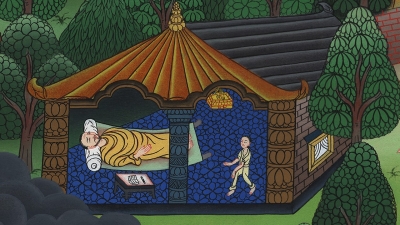
Eventually Jairus reached home and saw his daughter’s dead body but Jesus kept His promise and Jairus’ daughter was brought back to life!
To be continue …
David Z
 The Life of Yeshu