Source: www.kongkika.com licensed by Creative Commons Attribution-ShareAlike 4.0 International
ཁོང་གི་བཀའ།
ལེ་ཚན་དེས་དཀོན་མཆོག་གི་ལོ་རྒྱུས་བཤད་ཀྱི་རེད
Tibetan Bible བོད་ཀྱི་གསུང་རབ།
Source: www.kongkika.com licensed by Creative Commons Attribution-ShareAlike 4.0 International
ཁོང་གི་བཀའ།
ལེ་ཚན་དེས་དཀོན་མཆོག་གི་ལོ་རྒྱུས་བཤད་ཀྱི་རེད
Tibetan Bible བོད་ཀྱི་གསུང་རབ།
To Believe in Jesus – Part 74
John 7:2-9
2 Now the Jews’ Feast of Booths was at hand. 3 So his brothers said to him, “Leave here and go to Judea, that your disciples also may see the works you are doing. 4 For no one works in secret if he seeks to be known openly. If you do these things, show yourself to the world.” 5 For not even his brothers believed in him. 6 Jesus said to them, “My time has not yet come, but your time is always here. 7 The world cannot hate you, but it hates me because I testify about it that its works are evil. 8 You go up to the feast. I am not going up to this feast, for my time has not yet fully come.” 9 After saying this, he remained in Galilee.
The Jews’ Feast of Booths is known as Sukkot.
Sukkot is one of the three major feasts of God and this one is observed during autumn. Sukkot starts five days after Yom Kippur. Yom Kippur known as Day of Atonement is when only the appointed High Priest will enter the most holy place of the Temple once a year.
Passover, Pentecost, and Sukkot are the three major feasts of God whereby those who keep covenant with God are required to be gathered in Jerusalem because the Temple, the designated place of worship by God was there.
Passover and Pentecost are observed during spring time.
What happened previously in John 6 was during Passover which was during spring time and now that the Jews’ Feast of Booths is mentioned we know it is autumn.
Apparently Jesus spent His summer in Galilee and according to what is recorded in the Four Gospels, Jesus did have siblings.
Jesus’ brothers, although they did not believe Him in the sense that they may not accept what He had been preaching and teachings, nevertheless they were not as hostile as a particular group of Jews who wanted to kill Him.
So this conversation between Jesus and His siblings was about observing one of the appointed feasts of God when they were supposed to be in Jerusalem.
His brothers might have thought Jesus was another one of those religious fanatics who seek to be famous therefore challenged Him to go to Jerusalem since many people will be there and that He should do His miraculous work and preach there to get more attention.
Jesus said something in response to His brothers that seems somewhat of a mystery, but today we can back to history and we know that Jesus was crucified on Passover and this could be the connection to what Jesus said –
6 Jesus said to them, “My time has not yet come, but your time is always here. 7 The world cannot hate you, but it hates me because I testify about it that its works are evil. 8 You go up to the feast. I am not going up to this feast, for my time has not yet fully come.”
Jesus knew those who hated Him because His teachings and speeches exposed the corruptions of Man whose hearts and minds turned to follow what is evil.
Scripture truth teaches us the way of God’s righteousness and those who do opposite are turned aside to evil.
Today we live in a world people are often confused between good and evil and struggles to provide convincing definition and to make clear distinction which is which. However, if we look to scripture truth and learn what God have to say and we can accept God’s teachings as the true way of righteousness then we could clearly define what is good, what righteousness is, and what is evil, and we can make well-informed choices.
Back to the situation in John 7, Jesus being a preacher of righteousness was hated by those who do not love the righteousness of God.
Jesus knew His purpose and mission to teach and preach repentance while exposing the sins of this world and He knew how those do not receive His teachings will hate Him and will intend to kill Him.
Jesus was the light shining in darkness while He went about doing good and peached Man should repent and seek forgiveness and redemption in God.
Looking forward to John chapter 13, this disclosed Jesus intention to go to the cross during Passover and not during Sukkot –
John 13:1
Now before the Feast of the Passover, when Jesus knew that his hour had come to depart out of this world to the Father, having loved his own who were in the world, he loved them to the end.
And the apostle Paul who wrote to the Corinthians congregation to rebuke their sins did disclosed what he knew of Christ’s death during Passover –
1 Corinthians 5:7-8
7 Cleanse out the old leaven that you may be a new lump, as you really are unleavened. For Christ, our Passover lamb, has been sacrificed. 8 Let us therefore celebrate the festival, not with the old leaven, the leaven of malice and evil, but with the unleavened bread of sincerity and truth.
Jesus is our Passover Lamb, and His blood is the provision for Man’s atonement to seek reconciliation with God.
Jesus’ message is about trust and obedience, how we should trust and obey God for our redemption, and that all Man should believe and accept Jesus as the Messiah chosen of God to save us from sin and to provide us eternal life in His kingdom.
To be continue …
David Z
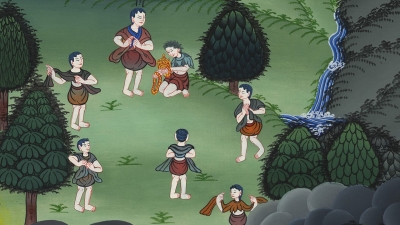
Source: www.kongkika.com licensed by Creative Commons Attribution-ShareAlike 4.0 International
ཁོང་གི་བཀའ།
ལེ་ཚན་དེས་དཀོན་མཆོག་གི་ལོ་རྒྱུས་བཤད་ཀྱི་རེད
Tibetan Bible བོད་ཀྱི་གསུང་རབ།
 The Life of Yeshu