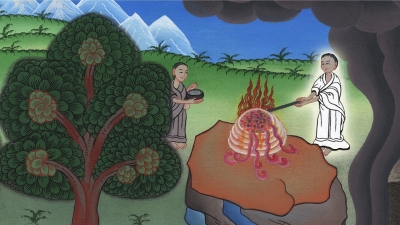
To Believe in Jesus – Part 10

To Believe in Jesus – Part 10


ཡོ་ཧ་ནན། 3:22-24

22དོན་དེ་དག་བྱུང་བའི་རྗེས༌སུ། སྐྱབས་མགོན་ཡེ་ཤུ་དང་ཐུགས་སྲས་རྣམས་ཡ་ཧུ་དཱའི་ཡུལ་དུ་ཕེབས༌ཤིང༌། ཡུལ་དེར་ལྷན་དུ་བཞུགས་པ་དང་ཁོང་གིས་མི་རྣམས་ལ་ཁྲུས་གསོལ་མཛད། 23ཁྲུས་གསོལ་མཁན་ཡོ་ཧ་ནན་གྱིས་ཀྱང་སཱ་ལིམ་ཡུལ་དང་ཉེ་བའི་ཨེ་ནོན་ཞེས་པའི་གནས་སུ་ཁྲུས་གསོལ་བྱེད་བཞིན་ཡོད༌དེ། གནས་དེ་རུ་ཆུ་མང་པོ་ཡོད་པས་མི་རྣམས་ཀྱང་གནས་དེར་ཕྱིན་ནས་ཁྲུས་གསོལ་ལ་ཞུགས་སོ།། 24དེའི་དུས་སུ་ཡོ་ཧ་ནན་ད་དུང་བཙོན་དུ་བཅུག་མེད༌པའོ།།


John 3:22-24

22 After this Jesus and his disciples went into the Judean countryside, and he remained there with them and was baptizing. 23 John also was baptizing at Aenon near Salim, because water was plentiful there, and people were coming and being baptized 24 (for John had not yet been put in prison).


Baptizing for those who believed what Jesus said.

Previous lessons we discussed the key problem of disbelief and disobedient against God’s will and how the Pharisees and the Sanhedrin in their institutional position rejected John the Baptist and rejected Jesus as the Messiah. Therefore they do not support and encourage baptism under John the Baptist although there were individuals who broke ranks from their religious orders and went ahead to get baptized.

So, for all those people who came to be baptized either by John the Baptist or Jesus, they did so believing what was spoken and taught by both John the Baptist and Jesus. They believed in the judgement of God to come and that all Man should repent of their sins and trust in God’s chosen Messiah for salvation.

John the Baptist’s baptism was a baptism to repentance and what was it that went against the doctrine and instructions of the Pharisees and the Sanhedrin?

Did not the Pharisees and the Sanhedrin read from the same Law of Moses and the writings of the prophets? Were they not waiting for the Messiah as well?

The same problem with today’s institutional churches divided into multiple denominations. The question of how do these leaders and teachers interpret the Bible?

Let look at what John the Baptist said exposing the misleading teachings of the Pharisees, Sadducees, and the Sanhedrin –


མད་ཐཱ། 3:7-12

7འོན༌ཀྱང༌། ཡོ་ཧ་ནན་གྱིས་ཕ་རུ་ཤི་པ་དང་སཱ་ཅུ་སེ་པ་མང་པོ་ཞིག་རང་ཉིད་ཀྱི་ཁྲུས་གསོལ་མཛད་པའི་གནས་ལ་ཡོང་བ་གཟིགས༌ཏེ། ཁོང་གིས་མི་དེ་རྣམས་ལ་འདི་སྐད༌དུ། དུག་སྦྲུལ་གྱི་རྒྱུད་ཁྱོད་རྣམས་ལ་སུ་ཞིག་གིས་མ་འོངས་པའི་ཐུགས་ཁྲོ་ལས་འབྲོ་བར་བསྟན༌ནམ། 8དེ་བས་ན་ཁྱོད་ཅག་གིས་འགྱོད་བཤགས་དང་མཐུན་པའི་འབྲས་བུ་ལེགས་པོར་སྐྱེད༌ཅིག 9ཁྱོད་ཅག་གི་སེམས་སུ་ཨབ་ར་ཧམ་ནི་ངེད་ཅག་གི་ཡབ་མེས་ཡིན་ཞེས་མ་སེམས༌ཤིག ངས་ཁྱོད་ཅག་ལ་སྨྲ༌སྟེ། དཀོན་མཆོག་གིས་རྡོ་འདི་དག་ལས་ཨབ་ར་ཧམ་ལ་བུ་རྒྱུད་འབྱུང་བར་མཛད་ནུས༌སོ།། 10ད་ནི་སྟ་རེ་སྡོང་རྩར་བཞག་ཡོད༌དེ། ཤིང་སྡོང་གང་ལ་འབྲས་བུ་ལེགས་པོ་མི་སྨིན་པ་དེ་བཅད་ནས་མེའི་ནང་དུ་འཕེན་པར༌ངེས། 11ངས་ཁྱོད་རྣམས་ལ་ཆུ་ཡིས་ཁྲུས་གསོལ་བྱེད༌ཅིང༌། དེ་ནི་ཁྱོད་ཅག་གིས་འགྱོད་བཤགས་བྱེད་པའི་ཕྱིར་ཡིན༌མོད། འོན་ཀྱང་བདག་གི་རྗེས་སུ་བདག་ལས་ཀྱང་མཐུ་སྟོབས་ཆེ་བ་ཞིག་ཕེབས་ཡོང་ངེས༌ཏེ། ང་ནི་ཁོང་གི་ལྷམ་འཁྱེར་མཁན་དུའང་མི་འོས༌སོ། །ཁོང་གིས་ཁྱོད་ཅག་ལ་དམ་པའི་ཐུགས་ཉིད་དང་མེས་ཁྲུས་གསོལ་མཛད་པར༌འགྱུར། 12ཁོང་གིས་ཕྱག་ཏུ་ཚེབ་བཟུང་ནས་རང་གི་གཡུལ་ཁ་གཙང་དག་ལེགས་པོར་མཛད་པ༌དང༌། གྲོ་བང་མཛོད་དུ་བསྡུ་བར༌འགྱུར། འོན་ཀྱང་ཕུབ་མ་དེ་དག་ཞི་བ་མེད་པའི་མེ་རུ་བསྲེག་པར་ངེས་ཞེས་གསུངས༌སོ།།


Matthew 3:7-12

7 But when he saw many of the Pharisees and Sadducees coming to his baptism, he said to them, “You brood of vipers! Who warned you to flee from the wrath to come? 8 Bear fruit in keeping with repentance. 9 And do not presume to say to yourselves, ‘We have Abraham as our father,’ for I tell you, God is able from these stones to raise up children for Abraham. 10 Even now the axe is laid to the root of the trees. Every tree therefore that does not bear good fruit is cut down and thrown into the fire.

11 “I baptize you with water for repentance, but he who is coming after me is mightier than I, whose sandals I am not worthy to carry. He will baptize you with the Holy Spirit and fire. 12 His winnowing fork is in his hand, and he will clear his threshing floor and gather his wheat into the barn, but the chaff he will burn with unquenchable fire.”


This presumption of salvation by race and bloodline is an age old problem not restricted to Jews and Christians but across world religions and pagan worship.

Such presumption of salvation by race and bloodline totally goes against what is written in scripture about God’s moral laws and the obligations to live out the righteousness of God.

The presumption of salvation by race and bloodline had given rise to corruption and abuse of position since Adam left the Garden of Eden.

Salvation by race and bloodline is a form of rebellious doctrine against God’s definition of sin as revealed in scripture.


What we should know about sin against God had been overturned by presumptions coded outside the will of God.


In previous post we discussed the challenges of gospel outreach in presenting human need for salvation due to sin. And how do we explain sin? What is sin?

God’s moral law is the most adequate teaching material for all Man to address any confusion about sin. Therefore those in persistent disagreement will eventually reject the moral law code of God revealed in scripture.

Sin is in the acts of Man’s behavior, speeches, and thoughts, in opposite and contradiction against God’s teachings.

So, therefore, whenever there is the attempt to re-interpret and re-define God’s teachings according to human thoughts there is the intention to marginalize our obligation to turn away from sin and sinful behavior. Means people finding excuses not to repent.

Does it seem obvious today we have so much confusion about sin? Because we have too many people’s opinions about sin which do not agree with the moral law code of God revealed in scripture.

The world religious groups, pagan worships, coupled with man-made code about morals and ethics, all of which to manipulate and redefine God’s law to please human expectations, have been causing endless confusion and therefore the whole world continues the path of sin instead of responding to Jesus’s call for repentance.

Christian interfaith movement is in danger of turning away from the moral law code of God revealed in scripture.


རོ་མཱ་པ། 7:7

དེས་ན་ངེད་ཅག་གིས་ཅི་ཞིག༌སྨྲའམ། བཀའ་ཁྲིམས་ནི་སྡིག་པ་ཡིན་ནམ་ཞེ༌ན། གཏན་ནས་མིན༌ནོ།། འོན་ཀྱང་བཀའ་ཁྲིམས་མེད་ན་ངས་སྡིག་པ་ནི་ཅི་ཞིག་ཡིན་པ་མི་ཤེས། བཀའ་ཁྲིམས་ལས་ཇི་སྐད༌དུ། འདོད་ཧམ་བཅང་མི་རུང་ཞེས་གསུངས་པ་མིན༌ན། བདག་གིས་འདོད་ཧམ་ནི་ཅི་ཞིག་ཡིན་པ་མི་ཤེས་སོ།།


Romans 7:7

What then shall we say? That the law is sin? By no means! Yet if it had not been for the law, I would not have known sin. For I would not have known what it is to covet if the law had not said, “You shall not covet.”


What Paul had written to the Romans’ believers does not mean if a person who does not know the law can claim innocent. No! But the purpose and existence of the law as a form of code is to clear confusion about what is sin. Like for example in civic society we have penal code to clarify what is wrongful acts that warrant punishment.

Back to the incident where people where coming to John the Baptist and Jesus to be baptized, these were the people who accepted John the Baptist and Jesus’ interpretation about what is written in scripture.

Those who rejected Jesus and John the Baptist had swayed to the camp of those who re-define and re-interpret God’s moral law according to their man-made doctrines.

So we see a clear divide between John the Baptist and Jesus on one side and the Pharisees, Sadducees, and the Sanhedrin together singing a different tune and causing confusion.


David Z

To Believe in Jesus – Part 9

To Believe in Jesus – Part 9

ཡོ་ཧ་ནན། 3:19-21

19ཉེས་ཆད་གཅོད་པ་ནི་འདི་ལྟ༌སྟེ། གཟི་འོད་དེ་ཉིད་འཇིག་རྟེན་དུ་ཕེབས་ནའང་མི་རྣམས་ཀྱི་སྤྱོད་པ་ངན༌པས། དེ་རྣམས་གཟི་འོད་ལ་མི་དགའ་བར་མུན་ནག་ལ་ཞེན་ཅིང་ཆགས་པའི་ཕྱིར༌ཡིན། 20ངན་པ་སྤྱོད་མཁན་ཐམས་ཅད་ཀྱིས་རང་གི་སྤྱོད་པ་ངན་པ་དེ་ཕྱིར་མངོན་པར་དོགས༌ནས། གཟི་འོད་ལ་སྡང་ཞིང་གཟི་འོད་ཀྱི་དྲུང་དུའང་མི་ཡོང༌། 21འོན༌ཀྱང༌། བདེན་དོན་ཉམས་ལེན་བྱེད་མཁན་རྣམས་རང་གིས་བྱེད་པ་ཐམས་ཅད་དཀོན་མཆོག་ལ་བརྟེན་ནས་ཕྱིར་མངོན་པའི་ཆེད༌དུ། གཟི་འོད་ཀྱི་དྲུང་དུ་ཡོང་བ་ཡིན་ཞེས་གསུངས༌སོ།།


John 3:19-21

19 And this is the judgment: the light has come into the world, and people loved the darkness rather than the light because their works were evil. 20 For everyone who does wicked things hates the light and does not come to the light, lest his works should be exposed. 21 But whoever does what is true comes to the light, so that it may be clearly seen that his works have been carried out in God.”


The “judgement” here is being contrasted to the message of John 3:16 where Jesus is proclaimed to be sent of God in love to save people from sin and death.

God’s offer of redemption to save Man from judgement and condemnation of sin is presented in the acceptance of His chosen Messiah.

Therefore the Gospel of John is presenting to us that Jesus is the Messiah chosen of God to redeem Man from sin and death.

In John chapter 3, since the conversation between Jesus and Nicodemus, the key concern had been about “believe“. Do they actually believe this Jesus is God’s chosen path to redemption?

Furthermore, to believe and accept Jesus as the Messiah means to follow His teachings, but many stumbled at Jesus’ teachings because of disbelieves!

The message of John 3 is getting clear that Man’s rejection of Jesus is because Jesus represented the opposite of human sinful behaviors.

From the time of Adam, Man went into sin due to disobedience and disagreement with God’s words.

Sin is in the very act of disobedient to God’s word.

There is that clear relationship between sin and rejection of God’s judgement.

So therefore those who received Jesus and followed in His teachings turned their back on sinful behaviors so that they could walk in the light as Jesus did –


21འོན༌ཀྱང༌། བདེན་དོན་ཉམས་ལེན་བྱེད་མཁན་རྣམས་རང་གིས་བྱེད་པ་ཐམས་ཅད་དཀོན་མཆོག་ལ་བརྟེན་ནས་ཕྱིར་མངོན་པའི་ཆེད༌དུ། གཟི་འོད་ཀྱི་དྲུང་དུ་ཡོང་བ་ཡིན་ཞེས་གསུངས༌སོ།།

21 But whoever does what is true comes to the light, so that it may be clearly seen that his works have been carried out in God.”


Disciples and followers of Christ are being identified away from the ways of this world because we are being separated based on the teachings of Jesus.

How else could we identify with Jesus except to follow in His teachings and walk in His ways?


ཡོ་ཧ་ནན་དང་པོ། 1:5-10

5དཀོན་མཆོག་ནི་འོད་ཟེར་ཡིན་པས་ཁོང་ལ་མུན་ནག་གཏན་ནས་མེད་དོ།། འདི་ནི་ངེད་ཅག་གིས་སྐྱབས་མགོན་ཡེ་ཤུ་ནས་ཐོས་ཤིང་ཁྱོད་ཅག་ལ་སྒྲོག་པའི་བརྡ་འཕྲིན་ཡིན་ནོ།། 6གལ་ཏེ། བདག་ཅག་གིས་དཀོན་མཆོག་དང་འདྲིས་ཡོད་ཟེར་ཡང་། ད་དུང་མུན་ནག་ནང་དུ་སྤྱོད་པ་ཡིན་ན། དེ་ནི་བདག་ཅག་གིས་རྫུན་སྨྲས་པ་ཡིན་པས་བདེན་པ་ཉིད་བཞིན་དུ་སྤྱད་པ་སྤྱོད་པ་མ་ཡིན། 7དཀོན་མཆོག་ནི་འོད་ཟེར་ནང་དུ་བཞུགས་པ་བཞིན་བདག་ཅག་འོད་ཟེར་ནང་དུ་སྤྱོད་པ་ཡིན་ན། བདག་ཅག་ཕན་ཚུན་ལ་འདྲིས་ཡོད་པ་ཡིན་ལ། ཁོང་གི་སྲས་སྐྱབས་མགོན་ཡེ་ཤུའི་སྐུ་ཁྲག་གིས་བདག་ཅག་གི་སྡིག་པ་ཐམས་ཅད་འདག་པར་མཛད༌དོ།།

8བདག་ཅག་གིས་རང་ལ་སྡིག་པ་མེད་ཟེར་ན། དེ་ནི་རང་མགོ་རང་གིས་གཡོག་པ་ཡིན་པས། བདེན་པ་ཉིད་ནི་བདག་ཅག་གི་སེམས་སུ་གནས༌པ་མ་ཡིན་ནོ།། 9དཀོན་མཆོག་ནི་ཡིད་རྟོན་རུང་བ་དང་དྲང་བདེན་ཡིན་པས། བདག་ཅག་གིས་རང་གི་སྡིག་པ་མཐོལ་བཤགས་བྱས༌ན། ཁོང་གིས་བདག་ཅག་གི་སྡིག་པ་བསལ་ཞིང་དྲང་བདེན་མ་ཡིན་པ་ཐམས་ཅད་གཙང་མར་མཛད་ངེས་ཡིན། 10བདག་ཅག་གིས་སྡིག་པ་བྱས་མ་མྱོང་ཟེར་ན། བདག་ཅག་གིས་དཀོན་མཆོག་ནི་ཞལ་རྫུན་གསུང་མཁན་དུ་བརྩིས་པས། ཁོང་གི་བཀའ་ཡང་བདག་ཅག་གི་སེམས་སུ་གནས༌པ་མ་ཡིན་ནོ།།


1 John 1:5-10

5 This is the message we have heard from him and proclaim to you, that God is light, and in him is no darkness at all. 6 If we say we have fellowship with him while we walk in darkness, we lie and do not practice the truth. 7 But if we walk in the light, as he is in the light, we have fellowship with one another, and the blood of Jesus his Son cleanses us from all sin. 8 If we say we have no sin, we deceive ourselves, and the truth is not in us. 9 If we confess our sins, he is faithful and just to forgive us our sins and to cleanse us from all unrighteousness. 10 If we say we have not sinned, we make him a liar, and his word is not in us.


So God’s offer of forgiveness and redemption is for those who walk in His light.


ཡོ་ཧ་ནན་དང་པོ། 2:15-17

15འཇིག་རྟེན་འདི་དང་འཇིག་རྟེན་གྱི་དངོས་པོ་ཀུན་ལ་ཞེན་ཆགས༌པར་མི་བྱའོ། །གལ་ཏེ། མི་སུ་ཞིག་འཇིག་རྟེན་ལ་ཞེན་ཆགས་པར་གྱུར་ན། མི་དེའི་སེམས་སུ་ཡབ་ལ་གཅེས་པའི་སེམས་ནི་ཡོད་པ་མ་ཡིན་ནོ།། 16ཅིའི་ཕྱིར་ཞེ་ན། འཇིག་རྟེན་གྱི་དོན་ཐམས་ཅད་དེ། ཤ་གཟུགས་ཀྱི་འདོད་ཆགས་དང་། མིག་གི་འདོད༌ཆགས། ཚེ་འདིའི་ང་རྒྱལ་བཅས་ནི་ཡབ་ནས་བྱུང་བ་མ་ཡིན་པར་འཇིག་རྟེན་ནས་བྱུང་བའི་ཕྱིར་རོ།། 17འཇིག་རྟེན་འདི་དང་འཇིག་རྟེན་གྱི་འདོད་ཆགས་ཐམས་ཅད་འཇིག་པར་འགྱུར༌མོད། འོན་ཀྱང་དཀོན་མཆོག་གི་ཐུགས་དགོངས་བཞིན་སྒྲུབ་མཁན་ནི་གཏན་དུ་གནས་པར་འགྱུར་རོ།།


1 John 2:15-17

15 Do not love the world or the things in the world. If anyone loves the world, the love of the Father is not in him. 16 For all that is in the world—the desires of the flesh and the desires of the eyes and pride of life—is not from the Father but is from the world. 17 And the world is passing away along with its desires, but whoever does the will of God abides forever.


To love this world or to love God is being contrasted as between light and darkness.

The teachings of Jesus, the ways of God, is the path of light and will lead us the way to eternal glory with Christ in His kingdom.

The current world system we are living in is in darkness due to sin and the operations of sin and is destined for hell and destruction.

Darkness in biblical context can means death, confusion, without hope of eternal life, and condemnation from God. Therefore our current world affairs are in persistent state of confusion and despair.


17འཇིག་རྟེན་འདི་དང་འཇིག་རྟེན་གྱི་འདོད་ཆགས་ཐམས་ཅད་འཇིག་པར་འགྱུར༌མོད། འོན་ཀྱང་དཀོན་མཆོག་གི་ཐུགས་དགོངས་བཞིན་སྒྲུབ་མཁན་ནི་གཏན་དུ་གནས་པར་འགྱུར་རོ།།

17 And the world is passing away along with its desires, but whoever does the will of God abides forever.


Across the world today there are multitudes of Christians who accepted the salvation of Jesus and they too took on the mandate to preach the Gospel and to evangelize and they too are faced with the one big challenge to present the message of sin and judgement of God to those who have yet to believe in Jesus.

How can we preach the love of Christ without telling people about sin and judgement?

How could people make well informed choices without knowing the full spectrum of sin and judgement and the saving grace of God through Jesus?

How could we make disciples for Jesus and grow a healthy church group without the full complete teaching about sin and judgement and the redemption truth of God through Jesus?

If we are looking model and example of any practical healthy growing church as a case study we could look into the development of the Early Church in the book of Acts written by Luke.

Bible historian would recognize the record of Acts by Luke provided us important insight into the life and development of the Early Church. And among the many faithful ministers was Paul and we must consider well what he said about his ministry –


མཛད་འཕྲིན། 20:24-28

24འོན༌ཀྱང༌། ང་རང་སྲོག་ལ་ཞེན་མི་ཆགས་ཞིང་དེ་རིན་ཐང་དང་ལྡན་པ་ཞིག་ཏུའང་མི་བརྩི༌བར། རང་གི་ལམ་ཐག་མཇུག་རྫོགས་དགོས༌ཏེ། དེ་ནི་གཙོ་བོ་ཡེ་ཤུས་བདག་ལ་གནང་བའི་དཀོན་མཆོག་གི་ཐུགས་རྗེའི་འཕྲིན་བཟང་ལ་བདེན་དཔང་བྱེད་པའི་ཆོས་ཀྱི་ལས་འགན་ཡིན༌ནོ།།

25ཡང་ལྟོས༌དང༌། ང་རང་རྒྱུན་དུ་ཁྱོད་ཅག་གི་ཁྲོད་ནས་འགྲོ་འོང་བྱས་ཏེ་དཀོན་མཆོག་གི་རྒྱལ་སྲིད་སྐོར་བསྒྲགས་མྱོང་ལ། ད་ལྟ་ངས་ཤེས་པ་ནི་ཕྱིས་སུ་ཁྱོད་ཅག་ཐམས་ཅད་ཀྱིས་ང་རང་མཐོང་བར་མི་འགྱུར༌བས། 26ངས་དེ་རིང་ཁྱོད་ཅག་ལ་བདེན་དཔང་བྱེད༌དེ། བདག་ལ་མི་ཐམས་ཅད་ཀྱི་ཁྲག་བཞུར་བའི་ཐད་ཉེས་པ་ཅི་ཡང་མེད་དོ།། 27རྒྱུ་མཚན་ནི་ངས་དཀོན་མཆོག་གི་དགོངས་པ་ཐམས་ཅད་འཛེམ་བག་མེད་པར་ཁྱོད་རྣམས་ལ་སྨྲས༌པ་ཡིན། 28དམ་པའི་ཐུགས་ཉིད་ཀྱིས་ཁྱོད་རྣམས་ནི་དད་ལྡན་ཀུན་ལ་དོ་དམ་བྱེད་པར་བསྐོས༌པས། ཁྱོད་ཅག་གིས་རང་ཉིད་དང་དད་ལྡན་རྣམས་ཀྱི་ཕྱིར་གཟབ་གཟབ་གྱིས། དཀོན་མཆོག་གིས་རང་ཉིད་ཀྱི་སྐུ་ཁྲག་གིས་བླུས་པའི་ཆོས་ཚོགས་དེ་ཁྱོད་ཅག་གིས་བདག་སྐྱོང་བྱེད་དགོས་སོ།།


Acts 20:24-28

24 But I do not account my life of any value nor as precious to myself, if only I may finish my course and the ministry that I received from the Lord Jesus, to testify to the gospel of the grace of God. 25 And now, behold, I know that none of you among whom I have gone about proclaiming the kingdom will see my face again. 26 Therefore I testify to you this day that I am innocent of the blood of all, 27 for I did not shrink from declaring to you the whole counsel of God. 28 Pay careful attention to yourselves and to all the flock, in which the Holy Spirit has made you overseers, to care for the church of God, which he obtained with his own blood.


Paul said he presented “the whole counsel of God” and that helps to provide his audience to make well informed choices by knowing the full spectrum of sin and judgement and the saving grace of God through Jesus.

Since the days of Acts, the last 2000 over years, Christians, believers, followers of Christ, we have all struggled with the same problems of misleading teachings especially those that cherry-picked on the love of God and went silence on sin and judgement. So in our days and time we have lots of mega churches that boasted of numbers in the tens of thousands and hundreds of thousands but their church members hardly know what Jesus actually said about sin and condemnation to hell because their pastors don’t address such issues!

When someone heard the call to repent and to receive salvation from Jesus Christ, people do want to know “save from what”? “Repent from what”?

Therefore the Gospel of John 3, at the same context where we read of God’s love through Jesus we also read of God’s judgement on sin and those who walk in darkness because they rejected God’s truth.

To believe in Jesus means also to believe in God’s judgement on sin.


David Z