Isaac a Tent-Dwelling Sojourner (gnas gyar wa)

“By faith Abraham went to live like a temporary resident in the land of promise. Isaac and Jacob lived with him in tents as heirs claiming the same promise.”


ཡ་ཧུ་དཱ་པ།  11:9དད་པའི་སྒོ་ནས་གནས་གཡར་བ་ལྟར་ཞལ་ཆད་མཛད་པའི་ཡུལ་དེ་ལ་བསྡད་དེ། ཁོང་དང་ཞལ་ཆད་འཛིན་མཁན་ཡིན་པའི་ཨི་སཱག་དང་ཡ་ཀོབ་ལྟར་གུར་རྣམས་ལ་བསྡད།


Hebrews 11:9 – By faith he went to live in the land of promise, as in a foreign land, living in tents with Isaac and Jacob, heirs with him of the same promise.


An Heir at last

Last time we read how Isaac was born. It was occasion for great joy and celebration.

བཀོད་པ 21:8ཕྲུ་གུ་ཆེར་ལོངས་ཤིང་འོ་མ་བཅད་པའི་ཉིན་མོར་ཨབ་ར་ཧམ་གྱིས་མགྲོན་ཆེན་པོ་ཞིག་བཤམས་སོ༎

However, for Ishmael, the son of the slave girl, the feast given for an infant seemed to be just a joke, and he mocked Isaac.


What to Do about Ishmael?

Isaac being Abraham’s son by Sarah, it was through him that God would fulfil his promises. Yet Abraham also loved Ishmael. How could he agree with Sarah to send him away? You can discover how God provided the answer to this problem by reading Gen 21:9-21.


Abraham’s Other Sons

Later on, when Abraham had six more sons by a younger wife, arrangements were made for them also. You can read how they also were sent away from the Promised Land in Gen 25:1-6.


Burial in the Land

Abraham and Sarah continued to own no part of the Land save for a field with a tomb east of the town of Mamre.

བཀོད་པ 25:7-11

 7-8ཨབ་ར་ཧམ་ལོ་ ༡༧༥ ལོན་ནས་གྲོངས་སོ།

9ཁོང་གི་བུ་རྣམས་ཨི་སཱག་དང་ཨིཤ་མ་ཨེལ་གྱིས་ཁོང་གི་ཕུང་པོ་མག་པེ་ལ་ཞེས་པའི་བྲག་ཕུག་ནང་སྦས་སོ། བྲག་ཕུག་དེ་ནི་ཧི་ཏི་པ་ཛོ་ཧར་གྱི་བུ་ཨེཕ་རོན་ཞེས་པ་དེའི་ཡིན་པ་དང་། མམ་རེའི་ཤར་ཕྱོགས་ཀྱི་ཞིང་དུ་ཡོད་པའོ།

10ས་ཞིང་དེ་ནི་ཨབ་ར་ཧམ་གྱིས་ཧི་ཏི་པ་རྣམས་ནས་ཉོས་པ་དེ་ཡིན་ཏེ། དེར་ཨབ་ར་ཧམ་དང་ས་རཱ་གཉིས་ཀར་དུར་དུ་སྦས་སོ།

11ཨབ་ར་ཧམ་གྲོངས་པའི་རྗེས་སུ་དཀོན་མཆོག་གིས་ཨི་སཱག་ལ་བྱིན་རླབས་གནང་ངོ་། ཁོང་ནི་ང་ལ་མཐོང་བ་གནང་མཁན་གསོན་པོའི་དཀོན་མཆོག་གི་ཁྲོན་པ་ཡོད་པའི་ས་གནས་དེའི་ཉེ་འགྲམ་དུ་གནས་ཡོད་དོ༎

You can read how the purchase had been agreed previously by the council of elders (like a Panchayat council in Nepal) of the town of Mamre, and its price settled. (Gen Chapter 23).


Isaac’s Life as a Nomadic Herder

Like his father, Isaac moved from place to place within the Land to find grazing and wells. And when there was a second great drought, instead of going to Egypt as his father had done, God told him to stay in the Land; he would then inherit the promise sworn to his father. So Isaac stayed.       However, because of his large herds and many servants, and because of his wealth and his wife, he too experienced conflict and insecurity.

བཀོད་པ 26:1-6

1ཨབ་ར་ཧམ་གྱི་དུས་སུ་ཡུལ་གྱི་ནང་དུ་བྱུང་བའི་མུ་གེ་སྔོན་མའི་རྗེས་སུ་ཡང་མུ་གེ་གཞན་ཞིག་བྱུང་བས། ཨི་སཱག་ཡུལ་གྷེ་རར་དུ་ཡོད་པའི་ཕེ་ལེ་ཤེད་པའི་རྒྱལ་པོ་ཨ་བྷི་མེ་ལེག་བྱ་བའི་རྩར་ཕྱིན་ནོ།

2གཙོ་བོ་དཀོན་མཆོག་གིས་ཨི་སཱག་ལ་ཞལ་གཟིགས་གནང་ནས། ཁྱོད་ཨི་ཇིབ་དུ་མ་འགྲོ་ཞིག། ངས་བསྟན་པའི་ཡུལ་ནང་སྡོད་ཅིག་གསུངས་སོ།

3འདིར་སྡོད་ཅིག་དང་། ང་ཁྱོད་དང་མཉམ་དུ་གནས་ནས་ཁྱོད་ལ་བྱིན་གྱིས་རླབས་ཏེ་མངའ་ཁུལ་འདི་ཐམས་ཅད་ཁྱོད་དང་ཁྱོད་ཀྱི་རིགས་བརྒྱུད་ལ་སྤྲད་པར་བྱའོ། ངས་ཁྱོད་ཀྱི་ཕ་ཨབ་ར་ཧམ་དང་བྱས་པའི་དམ་བཅའ་ཆ་ཚང་སྒྲུབ་རྒྱུ་ཡིན།

4ནམ་མཁའི་སྐར་མ་ལྟར་ངས་ཁྱོད་ཀྱི་བུ་བརྒྱུད་སྤེལ་ཏེ་ཁྱོད་ཀྱི་བུ་བརྒྱུད་ལ་ཡུལ་འདི་ཐམས་ཅད་སྤྲད་པ་དང་། ངས་ཁྱོད་ཀྱི་བུ་བརྒྱུད་ལ་བྱིན་རླབས་སྤྲད་པ་ལྟར། མི་རིགས་ཚང་མས་ང་ལ་བྱིན་རླབས་ཞུ་བར་བྱའོ།

5ཨབ་ར་ཧམ་གྱིས་ངའི་བཀའ་ལ་སྲུང་བ་དང་ངའི་སྤྲད་པའི་བཀའ་བསྒོ་བ་རྣམས་དང་། ངའི་བཀའ་རྒྱ་རྣམས་དང་ངའི་ཁྲིམས་རྣམས་དང་ངའི་ལུགས་སྲོལ་རྣམས་སྲུང་བས་ངའི་ཁྱོད་ལ་བྱིན་རླབས་སྤྲོད་རྒྱུ་ཡིན།

6དེར་བརྟེན་ཨི་སཱག་ཡུལ་གྷེ་རར་ནང་གནས་སོ།


Blessed for Abraham’s Sake

Isaac’s prosperity and herds and servant increased despite running conflicts with the king’s herdsmen (See Gen 26:7-22). Finally he obtained a well not claimed by other herdsmen; and then the LORD repeated his great promise.

བཀོད་པ 26:23-25

23ས་ཆ་དེ་ནས་ཨི་སཱག་བྷིར་ཤེ་བྷ་རུ་སོང་ངོ་།

24མཚན་དེར་གཙོ་བོ་དཀོན་མཆོག་གིས་ཨི་སཱག་ལ་ཞལ་མཇལ་གནང་ནས། ང་ནི་ཁྱོད་ཀྱི་ཕ་ཨབ་ར་ཧམ་གྱི་དཀོན་མཆོག་ཡིན་པས། ང་ཁྱོད་དང་མཉམ་དུ་དུས་རྒྱུན་དུ་ཡོད་པའི་རྐྱེན་གྱིས་ཁྱོད་མ་འཇིགས་ཤིག ངས་ངའི་བྲན་པོ་ཨབ་ར་ཧམ་ལ་དམ་བཅའ་བྱས་པ་ལྟར་ཁྱོད་ལ་བུ་བརྒྱུད་མང་པོ་བྱུང་ནས་ཁྱོད་བྱིན་གྱིས་རླབས་པར་འགྱུར་ཞེས་གསུངས་སོ།

25ས་གནས་དེར་ཨི་སཱག་གིས་མཆོད་ཁྲི་ཞིག་བཟོས་ཏེ་གཙོ་བོ་དཀོན་མཆོག་ལ་མཆོད་འབུལ་བྱེད་དོ། དེ་ནས་དེར་ཁོང་གིས་གུར་ཕུབ་ནས་གཡོག་པོ་རྣམས་ཀྱིས་ཁྲོན་པ་ཞིག་བྲུས་སོ༎

Blessed for his father’s sake, he now built his first altar and gave honor to the Lord.


Beersheba the Well of an Oath

As for King Abimelech, he saw that Isaac obtained his blessing from his God, who was the LORD; and he came to make treaty with him.

བཀོད་པ 26:26-33

26དེ་ནས་ཡུལ་གྷེ་རར་ནས་རྒྱལ་པོ་ཨ་བྷི་མེ་ལེག་དང་། ཁོང་གི་གྲོས་སྟོན་པ་ཨ་ཧུཛ་ཛད་དང་། ཁོང་གི་དམག་སྤྱི་ཕི་ཀོལ་བཅས་ཨི་སཱག་ཐུག་ཏུ་ཡོང་ངོ་།

27དེར་བརྟེན་ཨི་སཱག་གིས་དེ་དག་ལ། ཁྱོད་ཚོས་ང་ལ་དགྲ་བྱས་ཏེ་ཡུལ་ནས་བཏོན་པས། ད་ག་རེའི་དོན་དུ་ངའི་རྩར་ཡོང་བ་ཡིན་ནམ་ཞེས་དྲིས་པས།

28ཁོང་ཚོས་ལན་དུ། གཙོ་བོ་དཀོན་མཆོག་ཁྱོད་དང་མཉམ་དུ་བཞུགས་ཡོད་པ་དེ་ང་ཚོས་ཤེས་པས། ང་གཉིས་ཀྱི་བར་ལ་ཁ་ཆད་གཅིག་བྱེད་དགོས་བསམ་བྱུང་།

29ང་ཚོས་ཁྱེད་ལ་གནོད་པ་མ་བྱས་པ་ལྟར་ཁྱེད་ཀྱི་ཀྱང་ང་ཚོར་གནོད་པ་མ་བྱེད་པའི་ཕྱིར་ང་ཚོ་མཉམ་དུ་མནའ་སྐྱེལ་བ་ང་ཚོས་འདོད་དོ། ང་ཚོས་ཁྱེད་ལ་སྙིང་རྗེ་བྱེད་ནས་ཞི་བདེ་བར་འགྲོར་བཅུག་གོ ད་ལྟ་གཙོ་བོ་དཀོན་མཆོག་གིས་ཁྱེད་ལ་བྱིན་གྱིས་རླབས་པ་དེ་གསལ་པོར་ཆགས་སོ།

30དེ་ནས་ཨི་སཱག་གིས་དེ་ཚོའི་ཆེད་དུ་མགྲོན་ཞིག་བཤམས་པས་དེ་ཚོས་བཟའ་ཞིང་འཐུང་ངོ་།

31སང་ཞོགས་སྔ་དྲོ་ཁོང་གཉིས་ཀས་དམ་བཅའ་བྱས་ཏེ་མནའ་སྐྱེལ་བ་དང་། དེ་ནས་ཨི་སཱག་གིས་དེ་ཚོ་ལ་བཏང་ངོ་། དེ་ཚོ་ཞི་བདེར་ངང་ཕྱིར་ལོག་གོ།

32ཉིན་དེ་རང་ལ་ཨི་སཱག་གི་གཡོག་པོ་རྣམས་ཁོང་གི་དྲུང་དུ་ཡོང་ནས། དེ་ཚོས་བྲུས་པའི་ཁྲོན་པའི་སྐོར་ཨི་སཱག་ལ་སྨྲས་ཏེ། དེ་ཚོས་ང་ཚོ་ལ་ཆུ་ཐོབ་བྱུང་ཞེས་ཞུས་སོ། 33ཨི་སག་གིས་ཁྲོན་པའི་མིང་ལ་མནའ་ཞེས་བཏགས་སོ། དེའི་ཕྱིར་གྲོང་ཁྱེར་གྱི་མིང་ཡང་བིར་ཤེ་བ་བྱུང་ངོ་།།

We do not know whether Isaac continued to live at Beersheba in the south of the Land, but it became a city which is still there today (See any modern map of Israel)

In the next post it is the story of Jacob his son which we will read about.

As for Isaac, the wealthy herder, he was buried in the tomb at Mamre (Gen 35:27-29), a place later to be named Hebron. And Hebron too is a town in modern Israel.

*************

Footnotes

  1. Believers should not be surprised if they experience disagreements with non-believers.
  2. If believers trust and obey the Lord Jesus Christ, people around will notice; it will be their witness to His faithfulness and power. And some unbelievers will come to recognize, like King Abimelech, that God has blessed them, and may want to receive blessing themselves.
  3. We will learn in future posts that some people will want to share in the blessings that God’s people enjoy, but others will not want God’s blessings, and may hate believers who trust in God.
Garden 2011 205 - 800 px

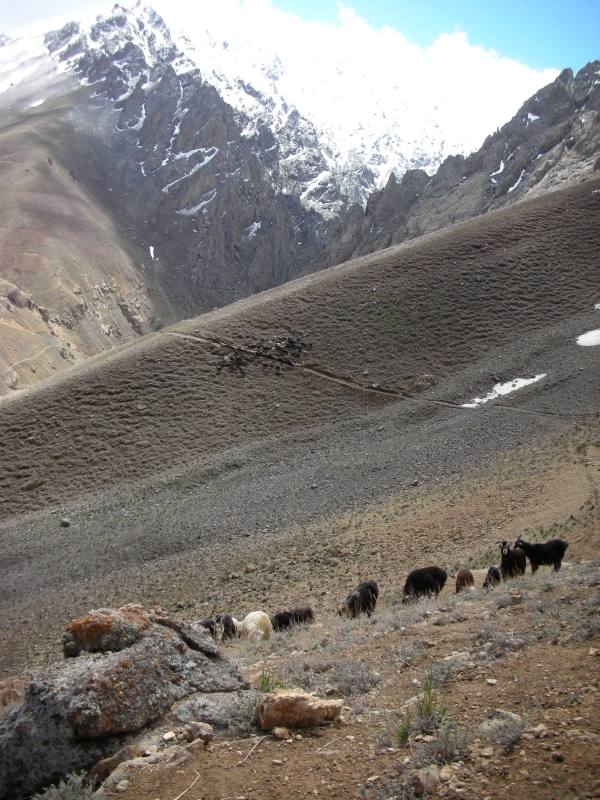
“nomadic herdsmen”

JACOB THE GREEDY GRASPER (mi ‘dzin mkhan gyo ‘phrog byed pa)

ཡ་ཧུ་དཱ་པ། 11:9

དད་པའི་སྒོ་ནས་གནས་གཡར་བ་ལྟར་ཞལ་ཆད་མཛད་པའི་ཡུལ་དེ་ལ་བསྡད་དེ། ཁོང་དང་ཞལ་ཆད་འཛིན་མཁན་ཡིན་པའི་ཨི་སཱག་དང་ཡ་ཀོབ་ལྟར་གུར་རྣམས་ལ་བསྡད།


Last time we read how Isaac lived as a nomadic herder in the land of Canaan; and how God twice had to remind him of the Promise given to Abraham his father, adding ‘Sojourn in the land’ (Gen 26:2), and ‘Fear not, for I am with you’ (Gen 26:24).

So Isaac stayed in the SW of the land, and prospered greatly.

Today and in future posts we will read about the sons of Isaac, Esau and Jacob.

*******************

Twins are Born to Isaac

བཀོད་པ 25:19-26

19འདི་ནི་ཨབ་ར་ཧམ་གྱི་བུ་ཨི་སཱག་གི་ལོ་རྒྱུས་ཡིན་ནོ།

20ཨི་སཱག་ལོ་བཞི་བཅུ་ལོན་སྐབས་རེ་བྷེ་ཀ་ཆང་ས་བརྒྱབ་བོ། རི་བེ་ཀའི་ཕ་ནི་པ་དམ་ཨ་རམ་གྱི་ཨ་རམ་པ་བེ་ཐུ་ཨེལ་ཡིན་པ་དང་། ཨ་ཇོའི་མིང་ལ་བན་ཞེས་པའོ།

21རེ་བྷེ་ཀ་ལ་ཕྲུ་གུ་མ་སྐྱེས་པའི་རྐྱེན་གྱིས། ཨི་སཱག་གིས་མོའི་ཆེད་དུ་དཀོན་མཆོག་ལ་སྨོན་ལམ་བཏབ་པས། གཙོ་བོ་དཀོན་མཆོག་གིས་ཁོའི་སྨོན་ལམ་གསན་ནས། རེ་བྷེ་ཀ་མངལ་དང་ལྡན་པར་འགྱུར་རོ།

22མོའི་མངལ་དུ་ཕྲུ་གུ་མཚེ་མ་ཡོད་པ་དང་། ཕྲུ་གུ་མ་སྐྱེས་པའི་སྔོན་དུ་མའི་མངལ་གྱི་ནང་དུ་དེ་གཉིས་གཅིག་གིས་གཅིག་ལ་འཐབ་ཀྱི་ཡོད་དོ། མོས་འདི་ལྟར་ང་ལ་ཇི་ལྟར་བྱུང་ངམ་ཞེས་སྨྲས་སོ། དེར་བརྟེན་མོས་གཙོ་བོ་དཀོན་མཆོག་ལ་ལན་ཞུ་བར་ཕྱིན་ནོ།

23གཙོ་བོ་དཀོན་མཆོག་གིས་མོ་ལ་མི་རིགས་གཉིས་ཁྱོད་ཀྱི་ལུས་ནང་ཡོད་ཅིང་།

དེ་གཉིས་ནི་ནང་ཁུལ་དུ་ཐབ་པའི་རིགས་བརྒྱུད་བྱུང་བར་འགྱུར།

རིགས་བརྒྱུད་གཅིག་ལས་རིགས་བརྒྱུད་གཞན་དེ་སྟོབས་དང་ལྡན་པར་འགྱུར།

རྒན་པས་ཆུང་བར་གཡོག་རྒྱུ་བར་བྱའོ་ཞེས་གསུངས་སོ།

24ཟླ་བ་ཚང་ནས་མོ་ལ་བུ་མཚེ་མ་རྣམས་སྐྱེས་སོ།

25སྔོན་སྐྱེས་ཀྱི་མདོག་དམར་ཞིང་ཁོའི་གཟུགས་པོ་ཚང་མ་སྤུ་ཡོད་པའི་གོས་ལྟར་ཡོད་པའི་རྐྱེན་གྱིས་ཁོའི་མིང་ལ་ཨེ་སའོ་བཏགས་སོ།

26བུ་གཉིས་པ་དེ་སྐྱེས་སྐབས་ཁོའི་ལག་པས་ཨེ་སའོའི་རྟིང་པ་བཟུང་ཡོད་པའི་ཕྱིར་ཁོའི་མིང་ལ་ཡ་ཀོབ་བཏགས་སོ། བུ་དེ་གཉིས་སྐྱེས་པའི་ཚེ་ཨི་སཱག་ལོ་དྲུག་བཅུ་ལོན་ཡོད་པ་ཡིན་ནོ༎

 Abraham had found a wife for Isaac from among his brother’s family who believed in the LORD. But it was 20 years , and after much prayer, before any children were born to Rebekah. And then it was a birth that people talked about; the twin boys were so different from the moment they appeared. Because of the second baby following so closely behind the first, he was called Jacob. It was a name whose meaning was ‘May he be at the heels’, but because of Jacob’s greedy (ham pa tshapo) character, it came to mean ‘He whose hand over reaches (bsnyab pa lag pa su ring)’.


A Careless Upbringing (gso pa)

བཀོད་པ 25:27-28

27ཕྲུ་གུ་དེ་གཉིས་ཡར་འཚར་བ་དང་། ཨེ་སའོ་ནི་ཁྱིམ་གྱི་ཕྱིར་རུ་འཁྱམས་ནས་འགྲུལ་མཁན་རྔོན་པ་རྩལ་ཅན་དུ་འགྱུར་ཏོ། འོན་ཀྱང་ཡ་ཀོབ་ནི་ཁྱིམ་ནང་སྡོད་མཁན་ཁུ་སིམ་པོ་ཞིག་ཡིན་ནོ།

28ཨི་སཱག་གིས་ཨེ་སའོ་ལ་བྱམས་པ་བྱེད་ཀྱི་ཡོད་དོ་གང་ལ་ཟེར་ན། ཁོས་བསད་པའི་རི་དྭགས་ཀྱི་ཤ་ཟ་བར་དགའ་པོ་ཡོད་དོ། འོན་ཀྱང་རེ་བྷེ་ཀས་ཡ་ཀོབ་ལ་བྱམས་པ་བྱེད་ཀྱི་ཡོད་དོ།

Unlike Abraham’s upbringing of him, Isaac did not bring up his own sons ‘in righteousness’ so that they might inherit the Promise (Gen 18:19). He was fond of Esau, whom he preferred for his own pleasure. But Rebekah preferred quiet Jacob to Esau, and remembered what the LORD had said to her when she conceived them in her womb (v.23). She had perhaps told it to Jacob.


Jacob Grasps Esau’s Birthright

བཀོད་པ 25:29-34

29ཉིན་ཞིག་ཡ་ཀོབ་ཀྱིས་སྲན་མའི་ཁུ་བ་སྐོལ་བཞིན་ཡོད་སྐབས། ཨེ་སའོ་ཁྱི་ར་རྒྱབ་ནས་ལོག་ཡོང་སྐབས་ཁོ་ལྟོགས་ཡོད་པས། 30ཁོས་ཡ་ཀོབ་ལ། ང་ཤིན་ཏུ་ལྟོགས་ཡོད་པས། སྲན་མའི་ཁུ་བ་དེ་ནས་ང་ལ་འཐུང་བར་སྤྲོད་ཅེས་ལབ་བོ། (དེའི་ཕྱིར་རྗེས་སུ་ཁོའི་མིང་ལ་ཨེ་དྷོམ་ཡང་བརྗོད་ཀྱི་ཡོད་དོ།)

31ཡ་ཀོབ་ཀྱིས་ལན་དུ། གལ་ཏེ་ཁྱོད་ཀྱི་སྔོན་སྐྱེས་ཀྱི་ཐོབ་ཐང་དེ་ང་ལ་སྤྲད་ན་ངས་ཁྱོད་ལ་སྲན་མའི་ཁུ་བ་འདི་སྤྲད་ཀྱི་ཡིན་ཞེས་ལབ་བོ།

32ཨེ་སའོས། འགྲིག་གི་རེད། ད་ལྟ་ཤིན་ཏུ་ལྟོགས་ནས་ཤི་འགྲོ་ཡོད་པས། ངའི་སྔོན་སྐྱེས་ཀྱི་ཐོབ་ཐང་གི་ང་ལ་ག་རེ་ཕན་ཐོག་གམ་ཞེས་ལབ་པ་དང་།

33ཡ་ཀོབ་ཀྱིས། དེ་རིང་ཁྱོད་ཀྱི་སྔོན་སྐྱེས་ཀྱི་ཐོབ་ཐང་ང་ལ་སྤྲད་པའི་མནའ་སྐྱེལ་ཞིག་ལབ་པ་དང་།

ཨེ་སའོས་མནའ་སྐྱེལ་ཏེ་ཁོའི་ཐོབ་ཐང་ཡ་ཀོབ་ལ་སྤྲད་དོ། 34དེ་ནས་ཡ་ཀོབ་ཀྱིས་ཨེ་སའོ་ལ་བག་ལེབ་དང་སྲན་མའི་ཁུ་བ་སྤྲད་པས། ཨེ་སོས་དེ་བཟའ་ཞིང་འཐུང་ཏེ་ལངས་ནས་སོང་ངོ་། དེ་ལྟར་ཨེ་སའོས་སྔོན་སྐྱེས་ཀྱི་ཐོབ་ཐང་ལ་རྩིས་མེད་བྱས་སོ༎

 Esau arrives in the tent tired, thirsty and hungry. He sees and smells what is being cooked by Jacob. And he blurts out (skad cha shor), ‘Let me gulp some of the red stuff, this red stuff’.

And Jacob quietly sees his opportunity to steal from Esau, and he grasps it.

In this careless way Esau despised his birthright losing to Jacob both the best part of possessions to be inherited and headship of the family (khyim bdag), which were the rights of prior birth (sngon skyes kyi thob thang).

“He sold his birthright for a single meal” (Hebrews 12:6).

**************

Footnote

Jacob seems to have had keen interest in the word spoken by the LORD to his mother saying he would have  power over his brother, but to have no interest in the LORD’s Promise made by covenant to his grandfather Abraham.

Next Post

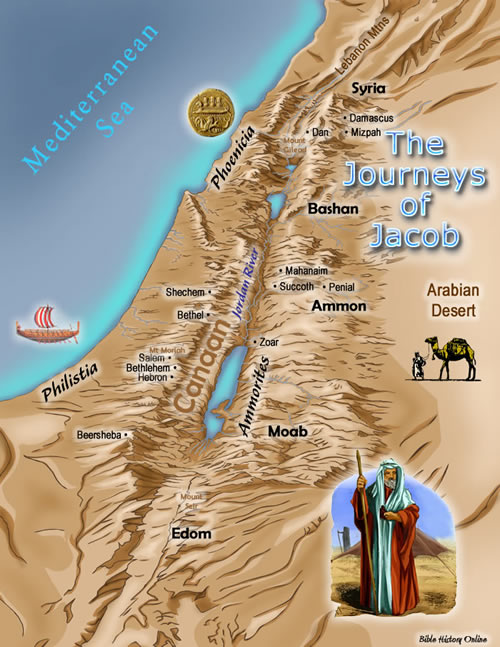
Next time we will read how Jacob the grasper also stole from Esau his father Isaac’s blessing by a clever and deceitful (mgo skor) plan. Then in further posts we will learn of his flight to escape Esau’s vengeance, and of his final return to Canaan still in great fear of Esau. But the LORD was watching over him, and in the end he was converted to faith in the LORD.

Jacobs-journeys

Source – bible-history.com


JACOB STEALS THE BLESSING FROM ESAU

“By faith Isaac invoked future blessings on Jacob and Esau” (Hebrews 11:20)

ཡ་ཧུ་དཱ་པ། 11:20  – དད་པའི་སྒོ་ནས་མེས་པོ་ཨི་སཱག་གིས་མ་འོངས་པའི་དོན་ལ་བལྟས་ཏེ་ཁོང་གི་བུ་ཡ་ཀོབ་དང་ཨེ་སའུ་གཉིས་ལ་བྱིན་རླབས་གནང༌།

 Isaac, Rebekah and their twin sons Esau and Jacob have been living in tent encampments with their servants and herdsmen in the SW of the Promised Land. After moving from well to well to avoid fighting for water with local herdsmen, they have now been settled for some time at Beersheba.

Last time we read how Jacob grasped (‘jus) Esau’s birthright. Now, Isaac being old and blind, the time has come for him to give his final blessing to Esau the first-born son.

**************

Isaac Sends Esau to Hunt Game

བཀོད་པ 27:1-4

1ད་ཨི་སཱག་རྒས་ཏེ་མིག་གི་ནུས་པ་ཉམས་ནས་ལོང་བར་འགྱུར་བ་དང་། རང་གི་བུ་རྒན་པ་ཨེ་སའོ་ལ་འབོད་ཅིང་ཁོ་ལ།

ངའི་བུ། ཨེ་སའོས། ལགས་ང་འདིར་ཡོད་ཅེས་ཞུས་སོ།

2ཨི་སཱག་གིས་བལྟོས་ཤིག་ང་རྒས་ཡོད་པ་དང་མགྱོགས་པོ་ཤི་གྲབ་ཡོད།

3ད་ཁྱོད་ཀྱི་མདའ་གཞུ་དེ་འཁྱེར་ནས་ནགས་ཀྱི་ནང་དུ་སོང་ཏེ་ངའི་ཆེད་དུ་རི་དྭགས་ཤིག་འཁྱེར་ཤོག

4ངས་ཟ་འདོད་པས་ཁ་ཟས་དེ་བཟོས་ནས་ངའི་རྩར་འཁྱེར་ཤོག། ངས་ཁ་ཟས་དེ་ཟ་བའི་རྗེས་སུ་ང་མ་ཤི་བའི་སྔོན་དུ་ངའི་བྱིན་རླབས་མཐའ་མ་དེ་སྤྲད་པར་བྱའོ་ཞེས་སྨྲས་སོ།

So Esau goes off. And Rebekah, who had been listening, tells Jacob. She had thought of a very cunning (g.yo chen po) way of deceiving Isaac to get the blessing for him instead of Esau.

And Jacob, who wanted the power of the blessing, agrees to the plan.


The Meaning of a Blessing

The blessing of a father before he died would be given to his oldest son. It was like a prophecy which all who heard it expected to be fulfilled, as if God Himself were speaking through the father’s lips.


Isaac is Deceived by Trickery (zol sbyor bslu brid)

བཀོད་པ 27:5-40

5ཨི་སཱག་གིས་ཨེ་སའོ་མཉམ་དུ་གཏམ་བཤད་པའི་སྐབས་རེ་བྷེ་ཀས་ཉན་ནས་བསྡད་ཡོད་དོ། དེར་བརྟེན་ཨེ་སའོས་རི་དྭགས་བསད་ཕྱིར་སོང་བའི་སྐབས་སུ།

6མོས་ཡ་ཀོབ་ལ་འབོད་ནས་ཁོ་ལ་སྨྲས་པ། ཁྱོད་ཀྱི་ཕས་ཨེ་སའོ་ལ།

7རི་དྭགས་ཤིག་བསད་ནས་ཁ་ཟས་བཟོས་པའི་བཀའ་གནང་སོང་། དེ་ཟ་བའི་རྗེས་སུ་ང་མ་ཤི་སྔོན་དུ་གཙོ་བོ་དཀོན་མཆོག་གི་མདུན་དུ་བྱིན་རླབས་སྟེར་བར་བྱ་ཟེར་བ་ངས་ཐོས་བྱུང་།

8ད་ངའི་བུ་ངའི་གཏམ་ལ་ཉོན་ཞིག་དང་། ངས་སྨྲས་པ་ལྟར་བྱོས་ཤིག།

9སོང་ནས་ཁྱུའི་ནང་ནས་ར་གཞོན་པ་རྒྱགས་པ་གཉིས་འཁྲིད་ཤོག་དང་། ངས་ཁྱོད་ཀྱི་ཕ་ལ་འདོད་པའི་ཁ་ཟས་བཙོས་ནས་སྤྲོད་རྒྱུ་ཡིན།

10ཁ་ཟས་དེ་ཁྱོད་ཀྱིས་ཕ་ལ་འཁྱེར་ནས་སྤྲོད་ཅིག་དང་། ཁོང་གི་ཟས་ནས་མ་གྲོངས་པའི་སྔོན་དུ་ཁྱོད་ལ་བྱིན་རླབས་གནང་ཡོང་ཞེས་ལབ་བོ།

11འོན་ཀྱང་ཡ་ཀོབ་ཀྱིས་མ་ལ། ཨེ་སའོ་ནི་སྤུ་ཅན་ཡིན་པ་ཁྱེད་ཀྱིསཤེས་ཀྱི་ཡོད། ངའི་ལུས་ནི་འཇམ་པོ་ཡིན།

12གལ་ཏེ་ངའི་ཡབ་ཀྱིས་ང་ལ་འཆང་ན་ང་མགོ་བསྐོར་མཁན་དུ་འགྱུར་ཏེ། བྱིན་རླབས་ཀྱི་ཚབ་ཏུ་ང་ལ་དམོད་པ་ཞིག་འཕོག་ཡོང་ཞེས་སྨྲས་སོ།

13མས་ལན་དུ་ཁོ་ལ། ཁྱོད་ལ་འཕོག་པའི་དམོད་པ་དེ་ང་ལ་འཕོག་པར་ཤོག་ཅིག ད་ངས་ལབ་པ་ལྟར་ཁྱོད་སོང་སྟེ་ར་ལེགས་པ་གཉིས་བསད་དེ་འཁྱེར་ཤོག

14དེར་བརྟེན་ཁོ་སོང་ནས་ར་བསད་དེ་ཤ་དེ་མ་ལ་སྤྲད་པ་དང་། ཨ་མས་ཕ་ལ་དགའ་བའི་ཁ་ཟས་ཞིམ་པོ་ཞིག་བཟོས་སོ།

15ཨ་མས་ནང་ལ་བཞག་ཡོད་པའི་ཨེ་སའོའི་གོས་ལེགས་པ་ཞིག་ཡ་ཀོབ་ལ་བསྐོན་སྟེ།

16རའི་ལྤགས་པ་ཞིག་ཁོའིལག་པ་དང་མཇིང་པར་བཏུམས་ནས།

17ཨ་མས་ཁ་ཟས་ཞིམ་པོ་དེ་དང་མཉམ་དུ་བསྲེག་པས་བག་ལེབ་དེ་ཁོ་ལ་སྤྲད་དོ།

18དེ་ནས་ཡ་ཀོབ་རང་གི་ཕའི་རྩར་སོང་ནས་ཕ་ལ། ངའི་ཡབ་ལགས་ཞུས་པ་དང་། ཕས་ཁོ་ལ། བུ་ཁྱོད་རྒན་པ་ཡིན་ནམ་ཡང་ན་ཆུང་བ་དེ་ཡིན་ནམ་ཞེས་དྲིས་པས།

19ཡ་ཀོབ་ཀྱིས། ང་ཁྱེད་ཀྱི་བུ་རྒན་པ་ཨེ་སའོ་ཡིན། ཁྱེད་ཀྱི་གསུངས་པ་ལྟར་ངས་བྱས་ཡོད་པས། ད་ཁྱེད་བཞེངས་ཏེ་ངས་ཁྱེད་རང་གི་ཆེད་དུ་འཁྱེར་ཡོང་བའི་ཤ་དེ་བཞེས་ནས་ང་ལ་བྱིན་རླབས་གནང་ཞིག་ཅེས་ཞུས་པས།

20ཕ་ཨི་སཱག་གིས། བུ་ཁྱོད་ལ་འདི་ཙམ་མགྱོགས་པོ་ཞིག་ཇི་ལྟར་རི་དྭགས་ཐོབ་ཅེས་དྲིས་པས།

ཡ་ཀོབ་ཀྱིས་ལན་དུ། ཁྱེད་ཀྱི་དཀོན་མཆོག་གཙོ་བོ་དཀོན་མཆོག་གིས་ང་ལ་རོགས་གནང་བར་མཛད་དོ་ཞེས་ཞུས་སོ།

21ཨི་སཱག་གིས་ཡ་ཀོབ་ལ། ཁྱོད་ངའི་ཉེ་བར་ཤོག་ཅིག་དང་། ཁྱོད་ཨེ་སའོ་ཡིན་མིན་ངས་འཆང་བར་བྱ་ཞེས་གསུངས་པ་དང་།

22ཡ་ཀོབ་ཕའི་ཉེ་བར་སོང་ཏེ་ཨི་སཱག་གིས་འཆང་བས། ཁྱོད་ཀྱི་སྐད་ནི་ཡ་ཀོབ་ཀྱི་སྐད་ལྟར་འདྲ་བས་ལག་པ་ནི་ཨེ་སའོའི་ལག་པ་ལྟར་འདྲ་ཞེས་གསུངས་སོ།

23འོན་ཀྱང་ཁོ་ཡ་ཀོབ་ཡིན་པ་ཁོང་གི་ངོ་མ་ཤེས་སོ། གང་ལ་ཟེར་ན། ཁོའི་ལག་པ་ནི་སྤུ་ཅན་ཨེ་སའོའི་ལག་པ་ལྟར་ཡོད་པའོ། ཁོང་གིས་བྱིན་རླབས་སྤྲད་གྲབ་སྐབས་སུ།

24ཡང་སྐྱར་ཁྱོད་བདེན་པར་ཨེ་སའོ་ཡིན་ནམ་ཞེས་དྲིས་པས། ཁོས་ང་ཨེ་སའོ་ཡིན་ཞེས་ལན་རྒྱབ་བོ།

25དེ་ནས་ཨི་སཱག་གིས། ཁོ་ལ། ཁྱོད་ཀྱིས་ངའི་དོན་དུ་ཤ་ཕྲན་བུའི་ཞིག་འཁྱེར་ཤོག ངས་དེ་ལས་ཟས་པའི་རྗེས་སུ་ཁྱོད་ལ་བྱིན་གྱིས་རླབས་པར་བྱ་ཞེས་གསུངས་སོ། ཡ་ཀོབ་ཀྱིས་རང་གི་ཡབ་ལ་ཤ་དང་རྒུན་ཆང་ཡང་ཕུལ་ལོ།

26དེ་ནས་ཨི་སཱག་གིས་ཡ་ཀོབ་ལ། བུ་ཁྱོད་ངའི་ཉེ་བར་ཡོང་ནས་འོ་བྱེད་ཅིག་གསུངས་པ་དང་།

27ཁོ་ཉེ་བར་ཡོང་ནས་འོ་བྱས་པས། ཕས་ཁོའི་གོས་ཀྱི་དྲི་མ་བསྣུམས་ཏེ་ཁོ་ལ་བྱིན་རླབས་གནང་ཞིང། ངའི་བུའི་དྲི་ཞིམ་ནི་གཙོ་བོ་དཀོན་མཆོག་གིས་བྱིན་གྱིས་རླབས་པའི་ཞིང་གི་དྲི་ཞིམ་དང་འདྲའོ།

28དཀོན་མཆོག་གིས་ཁྱོད་ལ་ནམ་མཁའ་ནས་ཟིལ་པ་གནང་ཞིང་། ཞིང་ནི་ས་ལུད་འཛོམ་པོ་བྱུང་བར་ཤོག། འབྲུ་དང་རྒུན་ཆང་མང་པོ་གནང་བར་ཤོག

29མི་རིགས་མང་པོས་ཁྱོད་ཀྱི་གཡོག་བྱེད་དེ་ཁྱོད་ལ་མགོ་སྒུར་བར་ཤོག ཁྱོད་ཀྱི་སྤུན་རྣམས་ཀྱི་ནང་ནས་ཁྱོད་གཙོ་བོར་འགྱུར་ཏེ། ཨ་མའི་བུ་རྣམས་ཀྱིས་ཁྱོད་ལ་གུས་འདུད་བྱེད་པར་ཤོག ཁྱོད་ལ་དམོད་པ་གཏོང་མཁན་རྣམས་ལ་དམོད་པ་ཕོག་སྟེ་བྱིན་རླབས་གཏོང་མཁན་རྣམས་ལ་བྱིན་གྱིས་རླབས་པར་ཤོག་ཅེས་གསུངས་སོ༎

30ཨི་སཱག་གིས་བྱིན་རླབས་དེ་དག་ཡ་ཀོབ་ལ་གནང་ཚར་བའི་རྗེས་སུ། ཡ་ཀོབ་ཐོན་མ་ཐག་ཏུ་ཁོའི་ཨ་ཇོ་རྒན་པ་ཨེ་སའོས་རི་དྭགས་བསད་དེ་ལོག་འོང་ངོ་།

31ཁོས་ཀྱང་ཁ་ཟས་ཞིམ་པོ་ཞིག་བཟོས་ཏེ་རང་གི་ཕ་ལ་འཁྱེར་ཡོང་ནས། ངའི་པ་ལགས། ད་ཁྱེད་རང་བཞེངས་ཏེ་ངས་བཟོས་པའི་ཁ་ཟས་བཞེས་པའི་རྗེས་སུ་ང་ལ་བྱིན་རླབས་གནོང་ཞིག་ཞུས་པ་དང་།

32ཁྱོད་སུ་ཡིན་ནམ་ཞེས་ཨི་སཱག་གིས་དྲིས་པས། ང་ཁྱེད་ཀྱི་བུ་རྒན་པ་ཨེ་སའོ་ཡིན་ཞེས་སྨྲས་པ་དང་།

33ཨི་སཱག་ལུས་འདར་ཞིང་། རི་དྭགས་ཤིག་བསད་ནས་ང་ལ་སྟེར་བའི་མི་དེ་སུ་ཡིན་ནམ། ཁྱོད་མ་ཡོང་བའི་སྔོན་དུ་ཁོས་སྤྲད་པའི་ཁ་ཟས་ཟས་ནས་ངས་ཁོ་ལ་མཐའ་མའི་བྱིན་རླབས་དེ་སྤྲད་ཚར་བས། དེར་བརྟེན་དེ་ནི་རྒྱུན་དུ་ཁོ་ལ་བདག་པ་ཡིན་ཞེས་གསུངས་སོ།

34ཨེ་སའོས་དེ་ཐོས་པའི་རྗེས་སུ་ཤིན་ཏུ་ངུས་ཤིང་ཕ་ལ། ང་ལའང་བྱིན་རླབས་ཤིག་གནང་རོགས་ཞུས་པས།

35ཨི་སཱག་གིས་ཁོ་ལ། ཁྱོད་ཀྱི་སྤུན་ཡོང་ནས་ང་ལ་མགོ་བསྐོར་བཏང་ཞིང་ཁྱོད་ཀྱི་བྱིན་རླབས་ཚང་མ་འཕྲོག་སོང་ཞེས་གསུངས་སོ།

36དེ་ནས་ཨེ་སའོས། ཁོས་ང་ལ་ལན་གཉིས་མགོ་བསྐོར་བཏང་བས་ཁོའི་མིང་བདེན་པར་ཡ་ཀོབ་ཡིན། དང་པོ་ཁོས་ངའི་སྔོན་སྐྱེས་ཀྱི་ཐོབ་ཐང་འཁྱེར་བ་དང་། ད་ངའི་བྱིན་རླབས་ཡང་འཁྱེར་རོ། ད་དུང་ཡང་ངའི་ཕྱིར་བྱིན་རླབས་ཤིག་མེད་དམ་ཞེས་དྲིས་པས།

37ཨི་སཱག་གིས་ལན་དུ། ངས་ཁོ་ལ་ཁྱོད་ཀྱི་དཔོན་པོ་བྱེད་པར་བསྐོས་ཏེ་སྤུན་ཐམས་ཅད་ཁོའི་གཡོག་ཏུ་བཏང་ངོ་། ངས་ཁོ་ལ་འབྲུ་དང་རྒུན་ཆང་སྤྲད་པ་ཡིན། ད་ཁྱོད་ཀྱི་ཆེད་དུ་ངས་གང་ཡང་བྱེད་མི་ཐུབ་ཅེས་་གསུངས་སོ།

38འོན་ཀྱང་ཨེ་སའོས་མུ་མཐུད་ནས་ཕ་ལ་ཞུ་བ་ཕུལ་ནས་ཁྱེད་ལ་བྱིན་རླབས་གཅིག་ཀྱང་མེད་དམ། ང་ལ་ཡང་བྱིན་རླབས་ཤིག་གནང་རོགས་ཤེས་ངུ་འགོ་ཚུགས་སོ།

39དེ་ནས་ཕ་ཨི་སཱག་གིས་ཁོ་ལ། ནམ་མཁའི་ཟིལ་པ་ཁྱོད་ལ་ཐོབ་མི་ཡོང་། ཁྱོད་ཀྱི་ཆེད་དུ་ས་ལུད་འཛོམས་པོ་བྱུང་མི་ཡོང་།

40ཁྱོད་ནི་རལ་གྲིའི་སྟོབས་ཀྱིས་འཚོ་བར་བྱ། ཁྱོད་སྤུན་གྱི་གཡོག་པོ་འགྱུར་བར་བྱ། འོན་ཀྱང་ཁྱོད་ཀྱི་ངོ་ལོག་བྱེད་པ་དང་ཁོའི་དབང་ནས་བྲལ་བར་འགྱུར་ཞེས་གསུངས་སོ།

The plan succeeded, and Jacob received a blessing like that promised by God to his grandfather Abraham, a blessing for other people and nations to take notice of.

As for Esau (Edom – Gen 25:30), he received a blessing that was suited to his character. See footnotes.


Esau’s Fury, Jacob’s Escape

བཀོད་པ 27:41-46

41ཕས་ཡ་ཀོབ་ལ་བྱིན་རླབས་སྤྲད་པའི་རྐྱེན་གྱིས་ཨེ་སའོས་ཡ་ཀོབ་ལ་སྡང་པོ་བྱས་སོ། ཕ་གྲོངས་པའི་མྱ་ངན་གྱི་ཉིན་མོ་དེ་ཉེ་བར་ཡོད་པ་དང་། དེའི་རྗེས་སུ་ངས་ཡ་ཀོབ་ལ་གསོད་པར་བྱ་ཞེས་བསམ་མོ།

42འོན་ཀྱང་ཨེ་སའོས་འཆར་གཞིའི་སྐོར་ལ་རེ་བྷེ་ཀས་ཐོས་མ་ཐག་ཏུ་མོས་ཡ་ཀོབ་འབོད་ཅིང་ཁོ་ལ། ཁྱོད་ཀྱི་ཨ་ཇོ་ཨེ་སའོས་ཁྱོད་ལ་བསད་ནས་དགྲ་ཤ་ལེན་པའི་འཆར་གཞི་བྱེད་བཞིན་ཡོད་པས།

43ད་བུ་ངའི་གཏམ་ལ་ཉོན་ཞིག། ད་ཁྱོད་མྱུར་དུ་ཡུལ་ཧ་རན་དུ་ངའི་ཨ་ཇོ་ལ་བན་གྱི་རྩར་སོང་ཞིག

44ཨ་ཇོ་ཨེ་སའོའི་ཁོང་ཁྲོ་མ་ཞི་བར་དུ་དེར་སྡོད་ཅིག

45ཁྱོད་ཀྱི་གང་བྱས་པའི་སྐོར་ཨེ་སའོས་བརྗེད་པའི་རྗེས་སུ་ངས་ཁྱོད་ལ་འབོད་དུ་བཏང་ཡོང་། ངས་ཅིའི་ཕྱིར་ངའི་བུ་གཉིས་ཀར་ཉིན་གཅིག་རང་ལ་བློས་གཏོང་ངམ་༎

46རེ་བྷེ་ཀས་ཨི་སཱག་ལ། ཨེ་སའོ་ཕྱི་རྒྱལ་བའི་ཧི་ཏི་པའི་ཆུང་མ་རྣམས་དང་ཞེན་པ་ལོག་ནས་ཐང་ཆད་ཡོད། གལ་སྲིད་ཡ་ཀོབ་ཀྱིས་ཀྱང་ཧི་ཏི་པའི་བུ་མོ་དང་ཆང་ས་བརྒྱབ་ན་ང་ཤི་ན་ཡང་སྒྲིགས་ཤེས་སྨྲས་སོ༎

Rebekah thinks of a clever way of making Isaac think he should send Jacob away to find a wife from among her relatives who believed in the LORD. She does so by complaining about Esau’s two Canaanite wives.

**************

Footnotes

Isaac gave his blessing in faith (Gen 27:28, 29 and 28:3, 4); so the blessing for each son found certain fulfilment. For God had allowed Isaac to be deceived, and His purposes for Abraham’s descendants were achieved through Jacob whom He had chosen (Isaiah 44:1-5), and not through Esau, whose inheritance was different.

Genesis Chapter 36 tells how Esau allied himself to powerful chiefs in the neighbouring dry mountainous country of Seir; this he did by making a third marriage with the daughter of one of the principal men there.

Next time we shall read how Jacob is sent far off to find a wife. He will be safe. He will marry. And he will eventually return to face Esau.

But before meeting Esau he will be converted to faith.

“Many are the plans in the mind of a man, but it is the purpose of the LORD that will stand” (Proverbs 19:21)

 ལེགས་བཤད 19:21མི་ཚོས་འཆར་གཞི་འདྲ་མིན་མང་པོ་བཀོད་པར་བྱེད་དོ། འོན་ཀྱང་གཙོ་བོ་དཀོན་མཆོག་གི་ཐུགས་དགོངས་བཞིན་དུ་འགྲུབ་པར་འགྱུར་རོ།