To Believe in Jesus – Part 59

To Believe in Jesus – Part 59


ཡོ་ཧ་ནན། 6:4-6

4སྐབས་དེ་ནི་ཡ་ཧུ་དཱ་པའི་པེ་སག་གི་དུས་ཆེན་ལའང་སླེབས་ལ༌ཉེའོ།།

5དེ་ནས་སྐྱབས་མགོན་ཡེ་ཤུས་ཡར་བལྟས་པ་ན་མི་ཤིན་ཏུ་མང་པོ་ཁོང་གི་དྲུང་དུ་ཡོང་བཞིན་པ་གཟིགས་ཏེ་ཕི་ལིབ་ལ་འདི་སྐད༌དུ། ངེད་རྣམས་ཀྱིས་མི་འདི་རྣམས་ལ་ཁ་ཟས་སྟེར་བའི་བག་ལེབ་ཡུལ་གང་ནས་ཉོ་བར་བྱེད་དམ་ཞེས་གསུངས༌ཤིང༌། 6ཁོང་གིས་ཇི་ལྟར་མཛད་དགོས་པ་མཁྱེན་ནའང་ཕི་ལིབ་ལ་བརྟག་ཆེད་དེ་ལྟར་གསུངས་སོ།།

John 6:4-6

4 Now the Passover, the feast of the Jews, was at hand. 5 Lifting up his eyes, then, and seeing that a large crowd was coming toward him, Jesus said to Philip, “Where are we to buy bread, so that these people may eat?” 6 He said this to test him, for he himself knew what he would do.


Continuing from previous post, let’s look into the details of how and why Jesus fed the multitude.

The gospel writer John noted Jesus knew what He would do before feeding the multitude. How did that happen?

The records of John had highlighted Jesus’ relationship with the Father in heaven and how He lived and ministered in obedience to the Father’s will


ཡོ་ཧ་ནན། 5:19

19དེ་ནས་སྐྱབས་མགོན་ཡེ་ཤུས་མི་དེ་རྣམས་ལ་འདི་སྐད༌དུ། བདག་གིས་ཁྱོད་རྣམས་ལ་ཡང་དག་པར་བདེན་པར༌སྨྲ་སྟེ། ཡབ་ཀྱིས་དོན་གང་ཞིག་མཛད་པ་བཞིན་སྲས་ཀྱིས་ཀྱང་དེ་ལྟར་མཛད༌པས། སྲས་རང་ཉིད་ཀྱིས་ཡབ་ལ་མ་བརྟེན་པར་ལས་ཅི་ཡང་བྱ་མི་ནུས༌ཤིང༌།

John 5:19

19 So Jesus said to them, “Truly, truly, I say to you, the Son can do nothing of his own accord, but only what he sees the Father doing. For whatever the Father does, that the Son does likewise.


Jesus was known to be a man of God, a servant of God, even among those who had yet to recognize that He is the Messiah chosen of God during the time of John the Baptist. And those people who came to seek Jesus in person for healing and blessings or even just to hear Him preach knew Jesus to be a person close to God.

We do often read of clashes between Jesus and certain members of the Pharisees and the Temple leaderships namely the Sadducees, but Jesus was well known to be a godly person, and the presence of God could be felt by those who approach Him.

So the writer John noted how Jesus was prepared to feed the multitude and knowing what we had learn about Jesus’ character we can understand He was going to do the will of God to feed the hungry folks.


The important point is Jesus did the will of God!


This feeding of the multitude was an act of God’s compassion for the poor and needy, and Jesus being obedient to the Father demonstrated the will of the Father to show compassion for the poor and needy.

And we will notice from this incident in John 6, the connection back to the time of Exodus when God fed the nation of Israel with manna. God because of His compassion rescued the children of Israel from slavery in Egypt and provided for them even when that generation failed to show gratitude.

This incident in John 6, these Jewish folks who came to Jerusalem for the Passover, as they ate of the bread and fish provided by Jesus and distributed through His disciples, were they thinking and remembering how God fed their forefathers when they wondered through the wilderness after leaving Egypt? I believe they did.

What seems to be interesting that the author noted this incident was happening during Passover when these Jewish folks who were supposed to be at the Temple but instead moved away from the Temple to seek Jesus. Does that mean the Temple leaderships of that time failed to take care of the needs of these poor people who came to seek God? And if that was the situation it added credibility towards God’s compassion to take care of the poor and needy.

And among the disciples of Jesus, Philip was mentioned in particular when Jesus tested Philip about what to do with these large crowds of hungry folks.


Why did Jesus do that to test Philip?


I don’t think all the Four Gospel recorded every miraculous feeding by Jesus. I believe there were more incidents of Jesus feeding the poor and needy not recorded in the Four Gospel.


ཡོ་ཧ་ནན། 21:25

25སྐྱབས་མགོན་ཡེ་ཤུས་མཛད་པའི་འཕྲིན་ལས་ཤིན་ཏུ་མང་ཡང་བདག་གི་བསམ་ཚུལ༌ལ། གལ་སྲིད་མཛད་འཕྲིན་ཐམས་ཅད་རེ་རེ་བཞིན་ཡི་གེར་བཀོད༌ན། བྲིས་པའི་དཔེ་ཆ་རྣམས་འཇིག་རྟེན་འདིར་ཡང་མི་ཤོང་ངོ་།།

John 21:25

25 Now there are also many other things that Jesus did. Were every one of them to be written, I suppose that the world itself could not contain the books that would be written.


I believe those disciples of Jesus who had followed Him around during those few years of ministries would have seen more miracles not recorded.

I believe when Jesus tested Philip before feeding the multitude, Jesus was refreshing the memory of Philip. Remember back in John 3 when Jesus turns water into wine at a wedding in Cana?

Philip was there at the wedding among other disciples. They knew what Jesus did although they may not fully understand at that time.

How Philip answered Jesus speaks of the obvious human limitations to feed the multitude but apparently Jesus had shown clear determination to feed the masses of people because He knew the will of God to do so and He knew the Father is able to provide.

This testing of Philip was more like refreshing his memory and on many occasions we need to refresh our memory as well.

We need to remember the kindness and compassion of our Father in heaven.

We need to remember what Jesus did for mankind.

We need to remember how Jesus had taught us to observe and do the Father’s will.

To be continue …


David Z
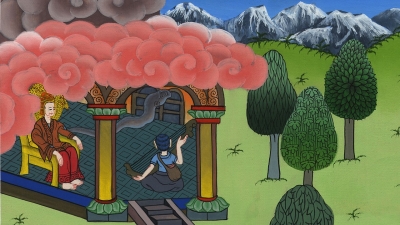
Tibetan Bible Video 17-01 David plays before the king དཱ་བིད་ས་ཨུལ་གྱི་ཕོ་བྲང་དུ་སླེབས་པ།

Source: www.kongkika.com licensed by Creative Commons Attribution-ShareAlike 4.0 International

ཁོང་གི་བཀའ།
ལེ་ཚན་དེས་དཀོན་མཆོག་གི་ལོ་རྒྱུས་བཤད་ཀྱི་རེད
Tibetan Bible བོད་ཀྱི་གསུང་རབ།

To Believe in Jesus – Part 58

To Believe in Jesus – Part 58


ཡོ་ཧ་ནན། 6:1-15

1དོན་དེ་དག་བྱུང་བའི་རྗེས༌སུ། སྐྱབས་མགོན་ཡེ་ཤུ་ཁོང་ཉིད་ཐེ་པེར་ཡཱ་སྟེ་ག་ལིལ་ཞེས་པའི་མཚོ་བརྒལ་ནས་མཚོའི་ཕ་རོལ་ཏུ་ཕེབས། 2ཡང་ཁོང་གིས་ནད་པ་དག་ལ་མཛད་པའི་གྲུབ་རྟགས་རྣམས་མི་ཧ་ཅང་མང་པོས་མཐོང་སྟེ་ཁོང་གི་རྗེས་སུ་འབྲངས་སོ།། 3དེ་ནས་སྐྱབས་མགོན་ཡེ་ཤུ་རི་མགོར་ཕེབས་ཤིང་རང་ཉིད་ཀྱི་ཐུགས་སྲས་རྣམས་དང་ལྷན་དུ་གནས་དེ་རུ་བཞུགས། 4སྐབས་དེ་ནི་ཡ་ཧུ་དཱ་པའི་པེ་སག་གི་དུས་ཆེན་ལའང་སླེབས་ལ༌ཉེའོ།།

5དེ་ནས་སྐྱབས་མགོན་ཡེ་ཤུས་ཡར་བལྟས་པ་ན་མི་ཤིན་ཏུ་མང་པོ་ཁོང་གི་དྲུང་དུ་ཡོང་བཞིན་པ་གཟིགས་ཏེ་ཕི་ལིབ་ལ་འདི་སྐད༌དུ། ངེད་རྣམས་ཀྱིས་མི་འདི་རྣམས་ལ་ཁ་ཟས་སྟེར་བའི་བག་ལེབ་ཡུལ་གང་ནས་ཉོ་བར་བྱེད་དམ་ཞེས་གསུངས༌ཤིང༌། 6ཁོང་གིས་ཇི་ལྟར་མཛད་དགོས་པ་མཁྱེན་ནའང་ཕི་ལིབ་ལ་བརྟག་ཆེད་དེ་ལྟར་གསུངས་སོ།། 7ཕི་ལིབ་ན༌རེ། དངུལ་སྒོར་ཉིས་བརྒྱ་བཀོལ་ནས་ཉོས་པའི་བག་ལེབ་དེ་དག་ཁོ་རྣམས་ལ་ཅུང་ཙམ་རེ་བགོས་ཀྱང་འདང་བ་མིན་ཞེས་ཞུས་སོ།། 8དེ་ནས་ཐུགས་སྲས་རྣམས་ལས་སི་མོན་པེ་ཏྲོའི་སྤུན་ཏེ་ཨན་དྲི་ཡཱ་ན༌རེ། 9འདིར་བྱིས་པ་ཞིག་ཡོད་པ་དེའི་ལག་ཏུ་ནས་ཕྱེའི་བག་ལེབ་ལྔ་དང་ཉ་གཉིས་ཡོད་ནའང་མི་འདི་འདྲ་མང་པོ་ཞིག་ལ་བགོས་ཀྱང་འདང་ངམ་ཞེས་ཞུས་པ༌ན། 10སྐྱབས་མགོན་ཡེ་ཤུས་འདི་སྐད༌དུ། ཁྱོད་ཅག་གིས་མི་རྣམས་ས་རུ་སྡོད་དུ་ཆུག་ཅེས་གསུངས་སོ།། གནས་དེར་རྩྭ་སྔོན་སྐྱེས་པ་བཟང་ལ་མི་རྣམས་ས་རུ་བསྡད༌ཅིང༌། སྐྱེས་པའི་གྲངས་ཀ་མི་ལྔ་སྟོང་ཙམ་ཡོད༌པ་རེད། 11དེ་ནས་སྐྱབས་མགོན་ཡེ་ཤུས་ཕྱག་ཏུ་བག་ལེབ་བསྣམས་ཏེ་བཀའ་དྲིན་ཞུས་པ༌དང༌། ས་རུ་བསྡད་ཡོད་པའི་མི་རྣམས་ལ་བགོ་རུ་བཅུག་ཅིང་། ཉ་གཉིས་ཡོད་པ་ཡང་དེ་བཞིན་མཛད་དེ་མི་རྣམས་ཀྱི་འདོད་མོས་བཞིན་བགོ་རུ་བཅུག་གོ། 12དེ་ནས་མི་རྣམས་ཀྱི་ལྟོ་བ་འགྲངས༌རྗེས། ཁོང་གིས་ཐུགས་སྲས་རྣམས་ལ་འདི་སྐད༌དུ། ཟས་ལྷག་ཆུད་ཟོས་སུ་མི་གཏོང་བའི་ཕྱིར་ཐམས་ཅད་སྡུས་ཤིག་ཅེས་གསུངས་པས། 13དེ་རྣམས་ཀྱིས་ཀྱང་ནས་ཕྱེའི་བག་ལེབ་ལྔའི་ཟས་ལྷག་བསྡུས་ཏེ་སླེ་བོ་བཅུ་གཉིས་གང་ངོ༌།།

14ཡང་མི་ཚོགས་ཀྱིས་སྐྱབས་མགོན་ཡེ་ཤུས་མཛད་པའི་གྲུབ་རྟགས་དེ་མཐོང༌རྗེས། ཁོང་ནི་དངོས་གནས་འཇིག་རྟེན་དུ་འབྱོན་ངེས་པའི་ལུང་སྟོན་པ་དེ་ཉིད་ཡིན་ཞེས་སྨྲས་སོ།། 15དེ་ནས་སྐྱབས་མགོན་ཡེ་ཤུས་མི་དེ་རྣམས་ཡོང་བ་དང་ནན་གྱིས་རང་ཉིད་རྒྱལ་པོར་བསྐོ་ངེས་པ་མཁྱེན༌ཏེ། རང་ཉིད་གཅིག་པུ་སླར་ཡང་རི་བོར་ཕེབས༌སོ།།

John 6:1-15

After this Jesus went away to the other side of the Sea of Galilee, which is the Sea of Tiberias. 2 And a large crowd was following him, because they saw the signs that he was doing on the sick. 3 Jesus went up on the mountain, and there he sat down with his disciples. 4 Now the Passover, the feast of the Jews, was at hand. 5 Lifting up his eyes, then, and seeing that a large crowd was coming toward him, Jesus said to Philip, “Where are we to buy bread, so that these people may eat?” 6 He said this to test him, for he himself knew what he would do. 7 Philip answered him, “Two hundred denarii worth of bread would not be enough for each of them to get a little.” 8 One of his disciples, Andrew, Simon Peter’s brother, said to him, 9 “There is a boy here who has five barley loaves and two fish, but what are they for so many?” 10 Jesus said, “Have the people sit down.” Now there was much grass in the place. So the men sat down, about five thousand in number. 11 Jesus then took the loaves, and when he had given thanks, he distributed them to those who were seated. So also the fish, as much as they wanted. 12 And when they had eaten their fill, he told his disciples, “Gather up the leftover fragments, that nothing may be lost.” 13 So they gathered them up and filled twelve baskets with fragments from the five barley loaves left by those who had eaten. 14 When the people saw the sign that he had done, they said, “This is indeed the Prophet who is to come into the world!”

15 Perceiving then that they were about to come and take him by force to make him king, Jesus withdrew again to the mountain by himself.


Again, Jesus’ public ministry was drawing the masses.

The author John noted these large numbers of people were drawn to Jesus because they witnessed miraculous healing He did for the sick. So most likely they came to seek healing because they needed healing and Jesus did not reject them and more than that Jesus was concern they were hungry.

Although the author John noted about 5 thousands in numbers but these were only referring to the men as the customs of those days to count men as heads of household. So assuming these are indeed family men and the average family unit of at least 4 – husband and wife plus 2 kids – there could be at least 20 thousands people gathered there because of Jesus and the actual numbers could be more!

John noted the time of the event as Passover, one of the three Feast of the Lord when committed Israelite were obligated to be present at Jerusalem where the Temple was standing at that time to offer their sacrifices and worship.

Today with all the bible knowledge plus historical facts we have, the clear connection between Jesus and Passover cannot be overlooked.

First, let’s go back to history and remember the first institution of Passover.

The first institution of Passover is recorded in Exodus 12 and in short brief summary it speaks of the deliverance of the children Israel from Egypt through Moses as the appointed servant of God.

The sacrifice of lambs and the use of blood as markers on door posts of these Israelite families had to do with God executing a series of judgements on Egypt and making distinction between those who believe and obey His teachings and those who refuse. The most sever judgement that fell on Egypt was the death of first born.

That Passover event in Exodus 12 marked the beginning of their journey to leave Egypt for The Promised Land and in the midst of that deliverance God had an important message for Moses for the children of Israel –


ཨེ་ཅིབ་ནས་ཐོན་པ། 12:14

14ཡང་ཉིན་དེ་ནི་ཁྱོད་ཅག་གི་ཕྱིར་རྗེས་དྲན་དུ་འགྱུར་ཞིང་། དཀོན་མཆོག་ཡ་ཝཱེ་ལ་དུས་ཆེན་ཞིག་རོལ་དགོས་པ་དང་། ཁྱོད་རྣམས་ཀྱིས་མི་རབས་ནས་མི་རབས་བར་ཁྲིམས་སྲོལ་དེ་གཏན་དུ་བསྲུང་དགོས།

Exodus 12:14

14 “This day shall be for you a memorial day, and you shall keep it as a feast to the Lord; throughout your generations, as a statute forever, you shall keep it as a feast.


So every year during Passover they were to remember how God delivered from Egypt. And today with all the knowledge we have we know this instruction was to prepare them for the coming Messiah.

Back to the situation in John 6, these people who came to Jerusalem because of Passover would know their history and having encountered Jesus there was so much connection between deliverance and provision of God they would not missed it. They were coming to Jesus to get help as they look to God for provision.

It was in this particular circumstance Jesus fed the multitudes! And they would had remembered how God sustained the children of Israel in the wilderness for 40 years providing them with manna as they made their journey from Egypt to The Promised Land under the appointed leadership of Moses.

The public ministries of Jesus – what He preach and teach, His acts of miraculous healing, the feeding of masses – do bear witness to His fulfillment of prophesies about the coming Messiah

John’s record was to encourage believe in Jesus!

To be continue …


David Z