To Believe in Jesus – Part 8

To Believe in Jesus – Part 8


ཡོ་ཧ་ནན། 3:16-18

16 དཀོན་མཆོག་གིས་རང་གི་སྲས་གཅིག་པོ་གནང་བ་ཙམ་དུ་འཇིག་རྟེན་གྱི་མི་རྣམས་ལ་བྱམས་པར་མཛད་པས། སྲས་ལ་དད་པ་བྱེད་མཁན་ཚང་མར་འཇིག་པར་མི་འགྱུར་བར་དཔག་ཏུ་མེད་པའི་ཚེ་ཐོབ་ངེས་པའོ།

17 ཡང་དཀོན་མཆོག་གིས་རང་གི་སྲས་འཇིག་རྟེན་གྱི་མིར་ཁྲིམས་གཅོད་མཛད་རྒྱུར་མ་མངགས་ཀྱིས། འཇིག་རྟེན་གྱི་མི་ཁོང་བརྒྱུད་ནས་སྐྱབས་མཛད་རྒྱུར་མངགས།

18 སྲས་ལ་དད་པ་བྱེད་མཁན་ཚོ་ལ་ཁྲིམས་བཅད་མེད་དེ། སྲས་ལ་དད་པ་མི་བྱེད་མཁན་ཚོ་ལ་ཁྲིམས་བཅད་ཟིན། དེ་ནི་དཀོན་མཆོག་གི་སྲས་གཅིག་པོའི་མཚན་ལ་དད་པ་མ་བྱས་པས་སོ།


John 3:16-18

16 “For God so loved the world, that he gave his only Son, that whoever believes in him should not perish but have eternal life. 17 For God did not send his Son into the world to condemn the world, but in order that the world might be saved through him. 18 Whoever believes in him is not condemned, but whoever does not believe is condemned already, because he has not believed in the name of the only Son of God.


Continuing from previous lesson, addressing the key problem of disbelieve and disobedience to act upon the will of God.

The will of God have been revealed through Scripture and the life and ministry of Jesus clearly manifested the will of God for us.

The will of God is for us to live in truth and obedience to God’s teachings, but why is that so difficult for many to follow through?

The will of God is for us to turn away from sin because judgement awaits sinners but grace and mercy is offered to those who trust and obey Jesus through faith and acts of repentance.

Therefore we have to choose between light and darkness, repent according to the teachings of Jesus or continue in sin. This world we are living in had been sold to sin and darkness and heading for hell and destruction, but Jesus came to deliver us from condemnation so that we may find new life in His kingdom.

Scripture revealed this current world will be consumed by fire because of sin and judgement. Jesus and His apostles warned us about this multiple times.

God in His grace and mercy have prepared a better place for those who trust and obey Him.

God’s will is that we may live in truth and righteousness through finding salvation in Jesus and to obey His teachings.


John 3:16 is a very famous scripture verse quoted worldwide for Christian outreach and evangelism. But the common over-emphasis on “love” had drastically side-lined the key problem of disbelieve and disobedience.

There is the necessity for us to response to God’s grace and mercy through our acts of obedience. Means to say we have our duty and obligation to response to God’s grace through acting by turning away from sins.

John 3:16 should be a continuation or conclusive point of that conversation between Jesus and Nicodemus.

Jesus was speaking to a person who was well-informed of God’s redemption for Man revealed in Scripture. Nicodemus was a teacher of the Jews and he should be aware of what was written in scripture from the time of creation from Adam to Noah and how the world was judged because of sin and how God saved Noah because he believed and acted on God’s words.

After the time of Noah’s Flood, the world was again populated, and people worldwide had that understanding of judgement from God because of human sins and wickedness. But according to God’s extension of grace and mercy there is redemption offered when judgement is being executed.

Noah was delivered from the judgement of God through faith and obedience.

And God sent Moses to deliver Israel from the judgement that fell on Egypt and how the children of Israel were delivered because they believed and acted on God’s words.

How God delivered Noah and Israel from judgement is the same.


And how do we access to God’s grace and mercy?


Through believe and acting according to God’s words.

Jesus used the incident of “Moses lifted up the serpent in the wilderness” as history lesson how we should look to Jesus for salvation.

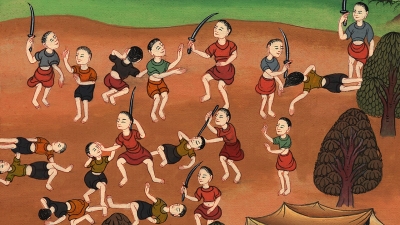
The bronze serpent symbolized the sins of the children of Israel wandering in the wilderness, how they expressed their disbelief in God’s salvation through their bitter antagonizing speeches against God and Moses. And God released venomous snakes among them and many were bitten and died.

The very act of those who survived and gazing towards the raised serpent meant to look to God for mercy while in full public acknowledgment of their sins against God. They were to confess their sins of disbelieve against God’s power to save and to bring them into the Promised Land.


They were to learn to exercise faith in God, to repent of their sins of disbelieve and disobedience against God’s word.


So as they acted in faith to confess their sins and repented they did receive their healing and forgiveness.

Today, we have the benefit of hindsight, knowing the raised serpent was also prophetic of Jesus dying on the cross on behalf of our sins.

Jesus’ death on the cross had become symbolic worldwide of how we should look to Jesus in faith to seek salvation and deliverance from our sins and judgement.

Therefore Paul proclaimed –


རོ་མཱ་པ། 1:16-17

16རྒྱུ་མཚན་ནི་བདག་གིས་འཕྲིན་བཟང་ངོ་ཚ་ཞིག་ཏུ་མི་བརྩིའོ།། འཕྲིན་བཟང་ནི་ཐོག་མར་ཡ་ཧུ་དཱ་པ་དང་ཕྱིས་སུ་གྷི་རིག་པ་སྟེ། དད་པ་ཅན་ཐམས་ཅད་སྐྱོབ་པར་བྱེད་པའི་དཀོན་མཆོག་གི་ནུས་མཐུ་ཆེན་པོ་ཡིན༌པའི་ཕྱིར་རོ།། 17དེ་ནི་དཀོན་མཆོག་གི་རྣམ་པར་དག་པ་ནི་འཕྲིན་བཟང་ལ་བརྟེན་ནས་མངོན་པ་ཡིན༌ཞིང་། དད་པ་ལས་བྱུང་ཞིང་སླར་ཡང་དད་པ་ལ་བརྟེན་པའི་ཕྱིར་ཡིན། དེ་ལ་གསུང་རབ་ཀྱི་མདོ་ལས་ཇི་སྐད༌དུ། མི་རྣམ་དག་ནི་དད་པའི་སྒོ་ནས་འཚོ་བར་འགྱུར་ཞེས་བཀོད་ཡོད་པ་བཞིན༌ནོ།།


Romans 1:16-17

16 For I am not ashamed of the gospel, for it is the power of God for salvation to everyone who believes, to the Jew first and also to the Greek. 17 For in it the righteousness of God is revealed from faith for faith, as it is written, “The righteous shall live by faith.”


Paul “not ashamed” means not to disbelieve and disobey God’s call for repentance and to trust Jesus for salvation!

Paul was a Pharisee and a member of the Sanhedrin before turning to Jesus!

Paul knew exactly what were the problems hindering the Jewish council, the Sanhedrin, from believing and trusting Jesus as the Messiah.

During the days of Jesus, because the Sanhedrin had far reaching influence over the lives of Jewish people especially those living in Jerusalem, the whole nation was divided. Even after Jesus’ death and resurrection the Jews remain divided about Jesus! Cannot agree and cannot disagree, it was a confusing and chaotic society in the days of Jesus and Paul, and so is today!

Paul knew why the Sanhedrin rejected Jesus as the Messiah appointed by God and it was the same reason they rejected John the Baptist’s baptism.

The call for repentance from Jesus and John the Baptist were based on the belief that we will be judged for our sins. And if we do not repent in faith we will not receive redemption from sin and judgement and eventually no gift of eternal life.

The Pharisee and the Sanhedrin who rejected Jesus and John the Baptist –


What were they thinking? Did they have their own perspective of salvation? Did they feel entitled because they were the biological and physical covenant descendants of Abraham and therefore they have no need to repent of their sins (Matthew 3:7-10)?


The problem of disbelieve and disobedience to act upon the will of God is fundamentally rooted in a person’s own perspective of salvation and especially when such thinking is not in line with God’s teachings revealed through the life and ministry of Jesus.

This conversation between Jesus and Nicodemus exposed the great sin of disbelieve and disobedience.

So, what shall we do to be saved?

Believe in Jesus and repent of our sins!


David Z

To Believe in Jesus – Part 7

To Believe in Jesus – Part 7


ཡོ་ཧ་ནན། 3:9-15

9ཡང་ནེ་ཀོ་དེམ་ན༌རེ། དེས་ན་དོན་འདི་རྣམས་ཇི་ལྟར་འབྱུང་སྲིད་དམ་ཞེས་ཞུས་པ༌ལ། 10ཡང་སྐྱབས་མགོན་ཡེ་ཤུས་འདི་སྐད༌དུ། ཁྱོད་ནི་ཡེས་ར་ཨེལ་མི་རིགས་ཀྱི་སློབ་དཔོན་ཡིན་ཡང་དོན་དེ་རྣམས་ཀྱང་མི་ཤེས༌སམ། 11བདག་གིས་ཁྱོད་ལ་ཡང་དག་པར་བདེན་པར་སྨྲ༌སྟེ། ངེད་ཅག་གིས་ཅི་ཤེས་པ་སྨྲས་ཤིང་དངོས་སུ་མཐོང་བ་དེར་བདེན་དཔང་བྱས་པ༌ཡིན། འོན༌ཀྱང༌། ཁྱོད་ཅག་གིས་ངེད་རྣམས་ཀྱི་བདེན་དཔང་ཁས་མི་ལེན༌པ་རེད། 12བདག་གིས་ཁྱོད་རྣམས་ལ་ས་གཞིའི་སྟེང་གི་དོན་རྣམས་བཤད་པར་ཁྱོད་ཅག་ཡིད་མི་ཆེས༌ན། ནམ་མཁའི་ཞིང་ཁམས་ཀྱི་དོན་རྣམས་སྨྲས་ཀྱང་ཁྱོད་ཅག་ཇི་ལྟར་ཡིད་ཆེས་པར་འགྱུར༌རམ། 13དེ་ཡང་ནམ་མཁའི་ཞིང་ཁམས་ནས་ཕེབས་པའི་མིའི་བུ་ལས༌གཞན། སུ་ཞིག་ཀྱང་ནམ་མཁའི་ཞིང་ཁམས་སུ་འཕགས་མ་མྱོང༌། 14སྔོན་ཆད་མོ་ཤེ་ཡིས་དབེན་སྟོང་ཡུལ་ནས་སྦྲུལ་ཞིག་གྱེན་དུ་བསྒྲེངས་པ༌ལྟར། མིའི་བུ་ཡང་གྱེན་དུ་བསྒྲེང་བར་འགྱུར་དགོས༌ཏེ། 15མིའི་བུ་ལ་དད་པ་བྱེད་མཁན་ཐམས་ཅད་ལ་མཐའ་མེད་པའི་ཚེ་སྲོག་འཐོབ་པར་འགྱུར་བའི་ཕྱིར༌ཡིན།


John 3:9-15

9 Nicodemus said to him, “How can these things be?” 10 Jesus answered him, “Are you the teacher of Israel and yet you do not understand these things? 11 Truly, truly, I say to you, we speak of what we know, and bear witness to what we have seen, but you do not receive our testimony. 12 If I have told you earthly things and you do not believe, how can you believe if I tell you heavenly things? 13 No one has ascended into heaven except he who descended from heaven, the Son of Man. 14 And as Moses lifted up the serpent in the wilderness, so must the Son of Man be lifted up, 15 that whoever believes in him may have eternal life.


Continuing from previous lesson where Jesus repeated His message to Nicodemus “unless one is born again he cannot see the kingdom of God.”. And Jesus’ reference to “water“, “wind“, and “Spirit“, Nicodemus who was a ruler of the Jews would had knew the connection to what was written in Exodus 14 and  Ezekiel 37.

སྡེབ་ཐོན 14 (Exodus 14) – Moses led the children to cross the Red Sea. We today understood that with strong connection to John the Baptist water baptism. To die to our acts of disobedience to God’s words, repent of our sins, live the new life God have given us through Jesus! But the Pharisees, Sadducee, and the Sanhedrin, rejected John the Baptist water baptism, and rejected obedience to God’s will.

ཨི་ཛི་ཀི་ཨེལ 37 (Ezekiel 37) – What happen to those dry bones do speaks of God’s power to restore and revive, and the Pharisees did understood Ezekiel’s message to means God’s power of resurrection! But the Sadducee rejected any belief of resurrection, and that means to reject the power of God!


Surprisingly Nicodemus responded “How can these things be?”


What was it that Nicodemus could not understand?

How could a person be born again?

Nicodemus being a member of the Sanhedrin, the possibility of him struggling between two opposing view of the Pharisees and Sadducee were there. In those days the Sanhedrin had obvious bipartisan disagreement first and foremost and there were more different opinions involved from other smaller groups invited into the council.

At that time of Nicodemus meeting with Jesus, the whole nation had known of the public ministry of John the Baptist and Jesus. And there were already incidents where Jesus raised the dead –

ལོ་ཀུ 7:11-17 (Luke 7:11-17) – Widow’s Son at Nain

ལོ་ཀུ 8:49-56 (Luke 8:49-56) – Jairus’ Daughter

ཡོ་ཧ་ནན། 11:1-44 (John 11:1-44) – Lazarus was raised from the dead. This incident may have happened after Nicodemus meeting with Jesus but there were already known incidents of Jesus raising the dead.

Nicodemus should had known about Elijah and Elisha raising the dead –

རྒྱལ་རབས་དང་པོ། 17:17-24 (1 King 17:17-24) – Widow of Zarephath’s Son

རྒྱལ་རབས་གཉིས་པ། 4:18-37 (2 Kings 4:18-37) – Shunammite’s Son


And finally Jesus used the incident where Moses “lifted up the serpent in the wilderness” to address what was it that was hindering Nicodemus understanding God’s power to enable a person to be born again.


Disbelieve and disobedience to act upon the will of God.


The Incident of Moses lifting up the serpent can be found in གྲངས་ཀ 21:4-9 (Numbers 21:4–9).

Back then the children of Israel wandering in the wilderness were expressing their disbelief in God’s salvation through their bitter antagonizing speeches against God and Moses.

So God in His anger and wrath released venomous snakes among them and many were bitten and died. But those who survived and were suffering cried out to Moses for help!

And why would God instructed Moses to raise a bronze serpent instead of letting them experience instant miraculous healing?

The bronze serpent symbolized their sin and the judgement of God which befell them. The very act of those who survived gazing towards the raised serpent meant to look to God for mercy while in full public acknowledgment of their sins against God’s, in particular their sins of disbelieve against God power to save and to bring them into the Promised Land.

Means to say, they were to learn to exercise their faith in God, to repent of their sins of disbelieve and disobedience against God’s word. And so as they acted in faith to confess their sins of disobedience and repent of their sins in public they did have their healing.

The raised serpent was also prophetic of Jesus dying on the cross on behalf of our sins. And Jesus’ death on the cross had become symbolic worldwide of how we should look to Jesus in faith to seek salvation and deliverance from our sins and judgement.


ཀོ་རིན་ཐུ་པ་གཉིས་པ། 5:17-21

17སུ་ཞིག་སྐྱབས་མགོན་མཱ་ཤི་ཀའི་ནང་དུ་ཡོད༌ན། མི་དེ་ནི་གསར་དུ་བསྐྲུན་པའི་མི་ཡིན༌ལ། འདས་དོན་ཚང་མ་མེད་པར་གྱུར་ཅིང་། ལྟོས་དང་། གསར་པ་དེ་བྱུང་འདུག་གོ། 18དོན་ཐམས་ཅད་ནི་དཀོན་མཆོག་ནས་བྱུང་བ༌སྟེ། ཁོང་གིས་སྐྱབས་མགོན་མཱ་ཤི་ཀ་བརྒྱུད་ནས་བདག་ཅག་ཁོང་དང་འདུམ་པར་མཛད་པ༌དང༌། མི་རྣམས་ཁོང་དང་འདུམ་པར་མཛད་པའི་ལས་འགན་ཡང་བདག་ཅག་ལ་གནང༌བ་ཡིན། 19དེ་ནི་དཀོན་མཆོག་གིས་སྐྱབས་མགོན་མཱ་ཤི་ཀའི་ནང་དུ་འཇིག་རྟེན་གྱི་མི་རྣམས་ཁོང་ཉིད་དང་འདུམ་པར་མཛད༌ཅིང༌། ཁོ་རྣམས་ཀྱི་ཉེས་སྐྱོན་ཁོ་རྣམས་ལ་མི་འགེལ༌བར། འདུམ་པར་མཛད་པའི་བཀའ་ཡང་བདག་ཅག་ལ་བཅོལ་བ་ཡིན། 20དེ་བས་ངེད་ཅག་ནི་སྐྱབས་མགོན་མཱ་ཤི་ཀའི་སྐུ་ཚབ་པ་ཡིན༌ལ། དཀོན་མཆོག་གིས་ངེད་ཅག་བརྒྱུད་ནས་ཁྱོད་རྣམས་ལ་བསྐུལ་བ༌བཞིན། ངེད་ཅག་གིས་སྐྱབས་མགོན་མཱ་ཤི་ཀའི་ཚབ་བྱས་ནས་ཁྱོད་རྣམས་དཀོན་མཆོག་དང་འདུམ་པར༌ཞུའོ།། 21བདག་ཅག་སྐྱབས་མགོན་མཱ་ཤི་ཀའི་ནང་ནས་དཀོན་མཆོག་གི་མི་རྣམ་དག་ཏུ་འགྱུར་བའི༌ཕྱིར། དཀོན་མཆོག་གིས་སྡིག་པ་མེད་པ་དེ་ཉིད་བདག་ཅག་གི་ཚབ་ཏུ་སྡིག་པར་མཛད༌དོ།།


2 Corinthians 5:17-21

17 Therefore, if anyone is in Christ, he is a new creation. The old has passed away; behold, the new has come. 18 All this is from God, who through Christ reconciled us to himself and gave us the ministry of reconciliation; 19 that is, in Christ God was reconciling the world to himself, not counting their trespasses against them, and entrusting to us the message of reconciliation. 20 Therefore, we are ambassadors for Christ, God making his appeal through us. We implore you on behalf of Christ, be reconciled to God. 21 For our sake he made him to be sin who knew no sin, so that in him we might become the righteousness of God.


Paul explained “for our sake he made him to be sin who knew no sin”

Jesus is sinless yet He was crucified in sin for us!

As we acted in faith to believe in God’s salvation through Jesus, and repent of our sins, we also receive healing for our relationship with God and a new born-again life in Christ being empowered by the Holy Spirit.

The power of God to save and redeem have been displayed since the times of old and there were those who choose not to believe and therefore Nicodemus’ struggle with disbelieve had been a long standing problem.


To be continue ….


David Z