MOSES LEADS THE PEOPLE IN FAITH


”By faith the people crossed the Red Sea as on dry land, but the Egyptians, when they attempted to do the same, were drowned” (Hebrews 11:29)


ཡ་ཧུ་དཱ་པ། 11:29

དད་པའི་སྒོ་ནས་ཡི་སི་ར་ཨེལ་པ་རྣམས་སྐམ་ས་འགྲོ་བ་ལྟར་རྒྱ་མཚོ་དམར་པོ་བརྒྱུད་ནས་ཕྱིན། འོན་ཀྱང་ཨེ་ཇེབ་པ་རྣམས་དེ་ལྟར་བྱེད་པར་ཕྱིན་པས་ཆུ་ལ་ནུབ་སྟེ་ཤིའོ།


*****************************************


Departure from Egypt in Haste

The whole people of Israel, 600,000 families, leave with their animals, and with bowls and flour for making bread (Read Exodus 12:33-39).   And God led them out by a path through an uninhabited wild land of steppe and desert (Read Exodus 13:17-14:4).


Pursuit by the Egyptians

Pharaoh follows with his army and 600 chariots (Ex 14:5-9).

སྡེབ་ཐོན 14:5-9

5མི་དམངས་རྣམས་བྲོས་ཐར་བའི་གནས་ཚུལ་དེ་ཨི་ཇིབ་ཀྱི་རྒྱལ་པོས་ཐོས་སྐབས། ཁོང་དང་ཁོང་གི་ལས་བྱེད་པ་རྣམས་སེམས་བསྒྱུར་ནས་སྨྲས་པ། ད་ང་ཚོས་ག་རེ་བྱས་པ་ཡིན་ནམ། ཨིསི་རཱཨེལ་པ་རྣམས་ལ་ང་ཚོའི་བྲོས་བཅུག་པ་དང་ང་ཚོའི་བྲན་ཁོལ་རྣམས་ཤོར་རོ་ཟེར་བརྗོད་དོ།

6དེ་ནས་རྒྱལ་པོས་རང་གི་དམག་གི་ཤིང་རྟ་དང་དམག་མི་རྣམས་གྲ་སྒྲིགས་བྱས་སོ།

7རྒྱལ་པོས་རང་གི་ཤིང་རྟ་ཇི་ཡོད་ཁར་མཆོག་ཏུ་འགྱུར་བའི་ཤིང་རྟ་ ༦༠༠ དང་དམག་དཔོན་དང་བཅས་དེ་ཚོའི་རྗེས་སུ་ཕྱིན་ནོ།

8གཙོ་བོ་དཀོན་མཆོག་གིས་ཨི་ཇིབ་གྱི་རྒྱལ་པོའི་སེམས་གྱོང་རུ་བཏང་གནང་བས། ཁོས་ཨིསི་རཱཨེལ་པ་རྣམས་ལ་རྗེས་སུ་དེད་ཡོང་ངོ་། རྒྱལ་ཁའི་ངང་ཨིསི་རཱཨེལ་པ་རྣམས་ནི་སྔོན་དུ་འགྲོ་བཞིན་ཡོད་དོ།

9དེ་ནས་ཨི་ཇིབ་ཀྱི་དམག་མི་དང་རྟ་དང་ཤིང་རྟ་དང་ཁ་ལོ་པ་རྣམས་ཀྱིས་ཁོ་ཚོའི་རྗེས་སུ་དེད་ནས་པི་ཧ་ཧི་རོད་དང་བྷལ་ཛེ་ཕོན་གྱི་ཕར་ཕྱོགས་སུ་རྒྱ་མཚོ་དམར་པོའི་ཉེ་འགྲམ་དུ་སྒར་རྒྱབ་ནས་བསྡད་ཡོད་པའི་ཨིསི་རཱཨེལ་པ་རྣམས་ལ་ཁོ་ཚོས་རྗེས་ཟིན་ནོ།


Caught with no Way of Escape

The people of Israel find themselves trapped with the Red Sea ahead and the Egyptians behind (Ex 14:10-14).

སྡེབ་ཐོན 14:10-14

10ཨིསི་རཱཨེལ་པ་རྣམས་ཀྱིས་རྒྱལ་པོ་དང་ཁོའི་དཔུང་དམག་རྣམས་ཁོ་ཚོའི་ཕྱོགས་སུ་ཡོང་བཞིན་པ་མཐོང་ནས། ཧ་ཅང་དངངས་སྐྲག་ཆེན་པོས་གཙོ་བོ་དཀོན་མཆོག་ལ་སྐྱབས་རོགས་ཀྱི་ཆེད་དུ་འབོད་བསྐུལ་ཞུས་པ།

11ཁོ་ཚོས་མོ་ཤེ་ལ་སྨྲས་པ། ཨི་ཇིབ་དུ་དུར་ཁྲོད་མེད་པ་ཡིན་ནམ། ཁྱོད་ཀྱི་ང་ཚོ་འབྲོག་སྟོང་འདིར་ཤི་བཅུག་པའི་ཕྱིར་འཁྲིད་ཡོང་བ་ཡིན་ནམ། ཁྱོད་ཀྱི་ང་ཚོ་ཨི་ཇིབ་ནས་འཁྲིད་ཡོང་ནས་ང་ཚོ་ལ་འདི་ག་རེ་བྱེད་དམ།

12དེ་སྔ་མ་ཐོན་སྔོན་དུ་དེ་ལྟར་བྱུང་ཡོང་ང་ཚོས་བརྗོད་མ་བྱུང་ངམ། ང་ཚོ་ལ་ཁ་གཅིག་པུར་བཞག་ནས་ཨི་ཇིབ་པ་ཚོའི་གཡོག་རྒྱུགས་ནས་བསྡད་བཅུག་རོགས་ལབ་པ་མ་ཡིན་ནམ། འབྲོག་སྟོང་འདི་འདྲའི་དཀྱིལ་དུ་ཤི་བ་ལས་ཨི་ཇིབ་པ་རྣམས་ཀྱི་གཡོག་རྒྱུགས་ནས་བསྡད་པ་དགའ།

13དེ་ནས་མོ་ཤེས་མི་ཚོགས་སྨྲས་པ། ཁྱོད་ཚོ་མ་འཇིགས་པར་སེམས་བརྟན་པོ་བྱེད་ནས་སྡོད་ཅིག དེ་རིང་གཙོ་བོ་དཀོན་མཆོག་གིས་ཁྱོད་ཚོར་སྐྱབས་གནང་བ་དེ་ཁྱོད་ཚོས་མཐོང་ཡོང་། སླད་ཕྱིན་ཨི་ཇིབ་པ་འདི་ཚོ་ཁྱོད་ཚོས་ནམ་ཡང་མཐོང་མི་ཡོང་།

14ཁྱོད་ཚོས་གང་ཡང་བྱེད་མི་དགོས། ཁྱོད་ཚོའི་ཚབ་ཏུ་གཙོ་བོ་དཀོན་མཆོག་གིས་འཐབ་གནང་ཡོང།


Israel Crosses, the Egyptians Drown

Moses trusts God, and the Israelites encouraged by his faith march forward to the edge of the sea. All night the wind of God had blown the waters sideways to left and right, so that the Israelites pass across on dry land.  When the army of Pharaoh follows, the way closes and all are drowned.

སྡེབ་ཐོན 14:15-31

15གཙོ་བོ་དཀོན་མཆོག་གིས་མོ་ཤེ་ལ། ཁྱོད་ཀྱིས་ང་ལ་ག་རེའི་དོན་དུ་སྐྱབས་རོགས་ཀྱི་ཕྱིར་འབོད་ཀྱི་ཡོད་དམ། མི་དམངས་རྣམས་ལ་མདུན་བསྐྱོད་བྱོས་ཤིག་ཅེས་སྨྲོས་ཤིག

16ཁྱོད་ཀྱི་ལག་པའི་འཁར་རྒྱུག་དེ་ཡར་བཏེགས་ཏེ་རྒྱ་མཚོའི་ཕྱོགས་སུ་རྐྱོངས་ཤིག་དང་། རྒྱ་མཚོ་ཁག་གཉིས་སུ་གྱེས་ཏེ། ཨིསི་རཱཨེལ་པ་རྣམས་རྒྱ་མཚོའི་དཀྱིལ་དུ་སྐམ་ས་ནས་འགྲོ་ཐུབ་པར་འགྱུར།

17ངས་ཨི་ཇིབ་པ་ཚོའི་སེམས་གྱོང་རུ་བཏང་བས། ཁོ་ཚོས་ད་དུང་ཁྱོད་ཚོའི་རྗེས་སུ་དེད་ཡོང་། ཡང་ངས་རྒྱལ་པོ་དང་ཁོའི་དམག་མི་དང་། ཤིང་རྟ་དང་ཁ་ལོ་པ་རྣམས་ཀྱི་ཐོག་ཏུ་རྒྱལ་ཁ་ཐོབ་པའི་སྒོ་ནས་ང་ལ་གུས་བཀུར་ཐོབ་ཡོང་།

18ངས་དེ་ཚོར་ཕམ་པར་བྱེད་སྐབས། ཨི་ཇིབ་པ་ཚོས་ང་ནི་གཙོ་བོ་དཀོན་མཆོག་རང་ཡིན་པ་དེ་ཤེས་ཐུབ་ཡོང་ཞེས་བཀའ་གནང་ངོ་།

19དེ་རྗེས་ཨིསི་རཱཨེལ་དམག་སྤུངས་ཀྱི་སྔོན་དུ་ཕེབས་བཞིན་པའི་དཀོན་མཆོག་གི་ཕོ་ཉ་དེ་ཕྱིར་འཐོན་ནས་ཁོ་ཚོའི་རྒྱབ་ཏུ་ཕེབས་པ་དང་། སྔོན་དུ་ཡོད་པའི་སྤྲིན་གྱི་ཀ་བ་དེ་ཡང་ཁོ་ཚོའི་རྒྱབ་ཏུ་ཕྱིན་ནས།

20ཨི་ཇིབ་པའི་དམག་མི་རྣམས་དང་ཨིསི་རཱཨེལ་པ་རྣམས་ཀྱི་བར་ལ་གནས་སོ། མཚན་གང་སྤྲིན་གྱིས་ཨི་ཇིབ་པའི་ཕྱོགས་སུ་མུན་པ་དང་། ཨིསི་རཱཨེལ་གྱི་ཕྱོགས་སུ་འོད་གནང་ངོ། དེ་ཚོ་མཚན་གང་ཕན་ཚུན་ཉེ་བར་སླེབས་མ་ཐུབ་བོ།

21དེ་ནས་མོ་ཤེས་རང་གི་ལག་པ་རྒྱ་མཚོའི་སྟེང་དུ་བརྐྱངས་པ་དང་། གཙོ་བོ་དཀོན་མཆོག་གིས་མཚན་གང་ཤར་ཕྱོགས་ནས་རླུང་ཚུབ་པོ་དེས་རྒྱ་མཚོ་ཕྱི་ནུར་བརྒྱབ་བཅུག་གོ རླུང་འཚུབ་མཚན་གང་བརྒྱབ་པ་དང་། རྒྱ་མཚོར་ས་སྐམ་པོ་ཞིག་བྱུང་བས་ཆུ་རྣམས་ཁག་གཉིས་སུ་གྱེས་སོ།

22ཨིསི་རཱཨེལ་པ་རྣམས་རྒྱ་མཚོའི་དཀྱིལ་གྱི་ས་སྐམ་པོ་ནས་འགྲུལ་ཏེ། ཆུ་རྣམས་གཡས་གཡོན་དུ་ལྕགས་རི་ལྟར་གནས་སོ།

23དེ་རྗེས་ཨི་ཇིབ་པ་དང་། རྒྱལ་པོའི་རྟ་དམག་རྣམས་དང་། ཤིང་རྟའི་ཁ་ལོ་པ་རྣམས་དེ་ཚོར་དེད་ནས་རྒྱ་མཚོའི་དཀྱིལ་དུ་དེ་ཚོའི་རྗེས་སུ་ཕྱིན་ནོ།

24ནམ་ལངས་པའི་སྔོན་དུ་གཙོ་བོ་དཀོན་མཆོག་གིས་མེ་དང་སྤྲིན་པའི་ཀ་བའི་ནང་ནས་ཨི་ཇིབ་པ་རྣམས་ཀྱི་དམག་དཔུང་ལ་གཟིགས་པ་དང་། དེ་ཚོར་འཇིགས་སྐྲགས་བསྐུལ་གནང་ངོ།

25ཁོང་གིས་ཤིང་རྟའི་འཁོར་ལོ་རྣམས་བཀག་སྟེ་འཁོར་མ་བཅུག་པས། ཤིང་རྟ་འགྲོ་བར་དཀའ་ངལ་ཆེན་པོ་བྱུང་བ་དང་། ཨི་ཇིབ་པ་རྣམས་ཀྱིས། གཙོ་བོ་དཀོན་མཆོག་གིས་ཨིསི་རཱཨེལ་པ་རྣམས་ཀྱི་ཚབ་ཏུ་ང་ཚོ་དང་མཉམ་དུ་དམག་འཐབ་བྱེད་པ་གནང་གི་འདུག་པས། ད་ང་ཚོ་འདི་ནས་བྲོས་འགྲོ་ཞེས་སྨྲས་སོ།

26གཙོ་བོ་དཀོན་མཆོག་གིས་མོ་ཤེ་ལ། ཨི་ཇིབ་པ་དང་། དེ་ཚོའི་རྟ་དམག་དང་། ཤིང་རྟའི་ཁ་ལོ་པ་རྣམས་ཀྱི་ཐོག་ཏུ་ཆུ་རྣམས་ཕྱིར་ལོག་འབབས་པའི་ཕྱིར་རྒྱ་མཚོའི་ཕྱོགས་སུ་ཁྱོད་ཀྱི་ལག་པ་རྐྱོངས་ཤིག་ཅེས་བཀའ་གནང་ངོ་།

27དེ་ནས་མོ་ཤེས་རང་གི་ལག་པ་རྒྱ་མཚོའི་ཕྱོགས་སུ་བརྐྱངས་པས། ཐོ་རངས་སྐབས་སུ་རྒྱ་མཚོ་དེ་སྔར་བཞིན་ཕྱིར་ལོག་པ་དང་། ཨི་ཇིབ་པ་རྣམས་བྲོས་ཐབས་བྱས་རུང་གཙོ་བོ་དཀོན་མཆོག་གིས་དེ་ཚོར་ཆུའི་ནང་དབྱུགས་གནང་ངོ་།

28ཆུ་སྔར་བཞིན་རང་འཇག་ཕྱིར་ལོག་འབབ་པས། རྒྱལ་པོའི་དམག་དཔུང་དང་། རྟ་དམག་དང་། ཤིང་རྟའི་ཁ་ལོ་པ་དང་། ཨིསི་རཱཨེལ་པ་རྣམས་ལ་རྗེས་སུ་དེད་ནས་ཡོང་བའི་ཨི་ཇིབ་པ་ཡོངས་རྫོགས་ཆུས་ནུབ་ནས་གཅིག་ཀྱང་མ་ཐར་རོ། 29འོན་ཀྱང་ཨིསི་རཱཨེལ་པ་རྣམས་རྒྱ་མཚོའི་དཀྱིལ་གྱི་ས་སྐམ་པོ་ནས་འགྲུལ་ཏེ། ཆུ་རྣམས་དེ་ཚོའི་གཡས་གཡོན་དུ་ལྕགས་རི་ལྟར་གནས་སོ།

30ཉིན་དེ་ལ་གཙོ་བོ་དཀོན་མཆོག་གིས་ཨིསི་རཱཨེལ་པ་རྣམས་ལ་ཨི་ཇིབ་པ་ཚོའི་ལག་ནས་སྐྱབས་པ་གནང་ཞིང་། ཨིསི་རཱཨེལ་པ་ཚོས་དེ་ཚོའི་རོ་རྣམས་རྒྱ་མཚོའི་འགྲམ་དུ་ཡོད་པ་མཐོང་ངོ་།

31གཙོ་བོ་དཀོན་མཆོག་གིས་ཨི་ཇིབ་པ་ཚོའི་སྟེང་རང་གི་མཐུ་སྟོབས་ཀྱིས་ཕམ་བཅུག་པ་འདི་ཨིསི་རཱཨེལ་པ་ཚོས་མཐོང་ནས། ཁོ་ཚོ་གཙོ་བོ་དཀོན་མཆོག་ལ་འཇིག་པ་དང་། དེ་ཚོས་གཙོ་བོ་དཀོན་མཆོག་དང་ཁོང་གི་ཞབས་ཏོག་པ་མོ་ཤེ་ལ་བློས་འཁེལ་བ་རེད༎


A Song of Praise

Moses’ sister Miriam leads the people in a song of joy and thanks (Read Ex 15:1-21).

སྡེབ་ཐོན 15:1-21

1དེ་ནས་མོ་ཤེ་དང་ཨིསི་རཱཨེལ་པ་ཚོས་གཙོ་བོ་དཀོན་མཆོག་ལ་མགུར་མ་འདི་བླངས་སོ།

ང་ཡིས་གཙོ་བོ་དཀོན་མཆོག་ལ་མགུར་མ་བླངས། གང་ལ་ཟེར་ན་ཁོང་ཉིད་ཀྱིས།

གཟི་བརྗིད་ཆེན་པོས་རྒྱལ་ཁ་ཐོབ། ཁོང་གིས་རྟ་དང་རྟ་པའི་ཚོགས་རྣམས་རྒྱ་མཚོར་དབྱུགས།

2གཙོ་བོ་དཀོན་མཆོག་ང་ཡི་སྲུང་སྐྱོབ་བརྟན་པོ་ཡིན། ང་ལ་སྐྱབས་པ་གནང་མཁན་ཁོང་ཉིད་ཡིན།

ཁོང་ནི་ང་ཡི་དཀོན་མཆོག་ཡིན་པ་དང་། ང་ནི་ཁོང་ལ་བསྟོད་པར་བྱ་རྒྱུ་ཡིན།

ཁོང་ནི་ང་ཡི་ཡབ་ཀྱི་དཀོན་མཆོག་ཡིན། ཁོང་ནི་རླབས་ཆེན་སྐོར་ལ་ང་ཡིས་མགུར་མ་བླངས།

3གཙོ་བོ་དཀོན་མཆོག་དཔའ་བོ་ཡིན། ཁོང་གི་མཚན་ནི་གཙོ་བོ་དཀོན་མཆོག་ཡིན།

4རྒྱལ་པོའི་དམག་མི་དང་ནི་ཤིང་རྟའི་ཚོགས། ཁོང་གིས་དེ་དག་རྒྱ་མཚོར་དབྱུགས།

མཆོག་ཏུ་འགྱུར་བའི་དམག་དཔོན་རྣམས། རྒྱ་མཚོ་དམར་པོར་ནུབ་པར་མཛད།

5རྒྱ་མཚོ་གཏིང་ཟབ་ཆུ་ཡིས་དེ་ཚོ་བཀབ། རྡོ་ལྟར་དེ་ཚོ་མཐིལ་དུ་ནུབ།

6གཙོ་བོ་དཀོན་མཆོག་ཁྱེད་ཀྱི་ཕྱག་གཡས་སུ། ངོ་མཚར་ཅན་གྱི་སྟོབས་ཡོད་དོ།

དེ་ཡིས་དགྲ་རྣམས་དུམ་བུར་བཅག།

7ཁྱེད་ལ་སྡང་བའི་དགྲ་བོ་རྣམས། ཉིད་ཀྱི་གཟི་བརྗིད་ཆེན་པོས་བརྟུལ།

ཁྱེད་ཀྱི་ཐུགས་ཁྲོའི་མེ་སྤུངས་དང་། དེ་དག་སོག་མ་བཞིན་དུ་འཚིག།

8ཁྱེད་ཀྱི་དབུགས་ཀྱིས་ཆུ་རྣམས་སྤུངས། རྒྱ་མཚོའི་ཆུ་རྣམས་ལྕགས་རི་བཞིན་དུ་ལངས།

གཏིང་གི་ཆུ་རྣམས་ཁྲེགས་པོར་མཛད།

9དགྲ་བོའི་ང་རྒྱལ་ཐོག་ནས་འདི་ལྟར་སྨྲས། ང་ནི་དེ་ཚོའི་རྗེས་དེད་ཟིན།

དེ་ཚོའི་རྒྱུ་ནོར་བགོས་ནས་ལེན་རྒྱུ་ཡིན།

ང་ཡིས་རལ་གྲི་བཏོན་ནས་དེ་ཚོའི་ཇི་ཡོ་ཐམས་ཅད་འཁྱེར་རྒྱུ་ཡིན།

10ཉིད་ཀྱི་ཐེངས་གཅིག་ཕུ་བཏབ་པས། རྒྱ་མཚོས་དེ་དག་བཀབ་པར་མཛད།

འཇིགས་སུ་རུང་བའི་རྒྱ་མཚོའི་ཆུ་ཆེན་ནང་། དེ་ཚོ་ཞ་ཉེ་བཞིན་དུ་ནུབ།

11ཀྱེ་གཙོ་བོ་དཀོན་མཆོག་ཁྱེད་འདྲ་བ། ལྷ་ཡི་ཚོགས་སུ་གཞན་སུ་ཡོད།

དམ་པ་རླབས་ཆེན་ཁྱེད་འདྲ་སུ་ཡོད་དམ། ངོ་མཚར་ཆེ་བའི་མཛད་འཕྲིན་རྣམས།

མཛད་མཁན་དེ་འདྲ་སུ་ཡོད་དམ།

12ཁྱེད་ཀྱིས་ཕྱག་གཡས་བརྐྱངས་པས་ན། ས་གཞིས་ང་ཚོའི་དགྲ་རྣམས་ཁྱུར་མིད་བཏང་།

13རང་གི་དམ་བཅར་དམ་ཚིག་ནང་གནས་ནས།

ཁྱེད་ཀྱི་སྐྱབས་པའི་མི་མངས་དབུ་འཁྲིད་གནང་།

ཉིད་ཀྱི་ནུས་མཐུས་དེ་རྣམས་ལ། དམ་པའི་ཡུལ་དུ་འཁྲིད་པར་མཛད།

14མི་རིགས་མང་པོས་ཐོས་པ་དང་། དེ་ཚོ་འཇིགས་ཤིང་འདར་བར་འགྱུར།

ཕེ་ལེ་ཤེད་རྣམས་འཇིགས་སྣང་སྐྱེད།

15ཨེ་དྷོམ་འགོ་འཁྲིད་རྣམས་ནི་འཇིགས་པ་དང་།

མོ་ཨབ་སྟོབས་ཆེན་རྣམས་ནི་འདར་ནས་ཡོད། ཀ་ནན་པ་རྣམས་སྙིང་སྟོབས་ཤོར།

16བྲན་ཁོལ་འོག་ནས་བླུ་གནང་བའི། མི་དམངས་ཕ་རོལ་མ་སླེབས་བར།

དགྲ་བོའི་སེམས་ནང་དངངས་སྐྲག་སྐྱེད། གཙོ་བོ་དཀོན་མཆོག་མཐུ་སྟོབས་མཐོང་བས་ན།

ཐབས་བྲལ་རྡོ་བཞིན་འགུལ་མེད་གནས།

17ཁྱེད་ཀྱིས་དེ་ཚོར་འཁྲིད་གནང་ནས། རང་གི་རི་བོར་འཇོག་གནང་ཡོང་།

གཙོ་བོ་དཀོན་མཆོག་ཁྱེད་ཀྱི་ས་གནས་དེ། རང་ཉིད་བཞུགས་པའི་ཆེད་དུ་འདམས་གནང་ངོ་།

རང་གི་ཕྱག་གིས་བཞུགས་གནས་བཟོས།

18གཙོ་བོ་དཀོན་མཆོག་ཁྱེད་ནི་རྟག་ཏུ་རྒྱལ་སྲིད་སྐྱོང་༎

མིར་ཡམ་གྱི་མགུར་མ།

19ཨིསི་རཱཨེལ་པ་རྣམས་རྒྱ་མཚོའི་དབུས་སུ་སྐམ་ས་བརྒྱུད་ནས་ཕྱིན་ནོ། འོན་ཀྱང་ཨི་ཇིབ་པ་ཚོའི་རྟ་དང་ཤིང་རྟ་དང་ཁ་ལོ་པ་རྣམས་ཀྱིས་དེ་ཚོའི་རྗེས་སུ་དེད་ནས་རྒྱ་མཚོའི་ནང་འཛུལ་སྐབས། གཙོ་བོ་དཀོན་མཆོག་གིས་རྒྱ་མཚོའི་ཆུ་རྣམས་ཕྱིར་ལོག་གནམ་སྟེ་དེ་རྣམས་ཆུས་ཡོངས་སུ་བཀབ་བོ།

20ཨ་རོན་གྱི་ཨ་ཅག་ལུང་སྟོན་མ་མིར་ཡམ་གྱིས་རྔ་ཆུང་ཞིག་ལག་པར་བླངས་པ་དང་། བུད་མེད་རྣམས་ཀྱིས་ཀྱང་དེ་བཞིན་དུ་ལག་རྔ་རེ་བརྡུང་བཞིན་གར་འཁྲབ་ཅིང་མོའི་རྗེས་སུ་འབྲངས་སོ།

21དེ་ནས་མིར་ཡམ་གྱིས་དེ་འདི་ལྟར་མགུར་མ་ལེན་ནོ།

གཙོ་བོ་དཀོན་མཆོག་ལ་ནི་བསྟོད་པའི་མགུར་མ་བླངས།

གང་ལ་ཟེར་ན་ཁོང་གི་གཟི་འཇིད་ལྡན་པའི་རྒྱལ་ཁ་ཐོབ།

ཁོང་གི་རྟ་དང་རྟ་པའི་ཚོགས་རྣམས་རྒྱ་མཚོར་འཕང་གནང་ངོ་༎ 
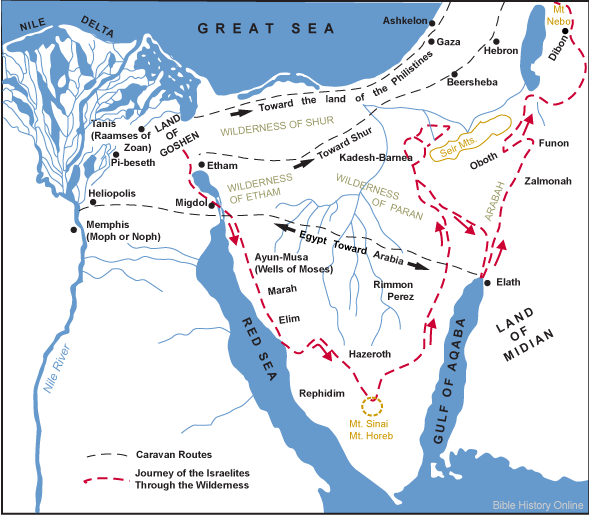
 

Map-Route-Exodus-Israelites-Egypt


************************************************

Other dangers and the trials of trekking lie ahead. The long Pilgrimage of an entire nation to the Promised Land of blessing has begun. We will read a summary of the journey next time.

God’s help in defeating the enemy and parting the Sea is known to the nations around. It is made clear to them in this way that the LORD alone is God and has power to look after his own people (Read Ex 15:13-18).

Believers should tell other people what God has done for them. By this means others will want to be blessed also, just as God promised to Abraham:-

“…I will bless you and make your name great, so that you will be a blessing. I will bless those who bless you, and him who dishonours you I will curse, and in you shall all the families of the earth be blessed” (Genesis 12:2, 3)


བཀོད་པ 12:2-3

2ངས་ཁྱོད་ལ་རིགས་བརྒྱུད་མང་པོ་སྤྲོད་རྒྱུ་ཡིན། དེ་ཚོ་ནི་མི་རིགས་སྙན་གྲགས་ཆེནཔོ་ཞིག་བྱུང་ཡོང་། ངས་ཁྱོད་ལ་བྱིན་གྱིས་རླབས་ནས། ཁྱོད་སྙན་གྲགས་དང་ལྡན་པར་འགྱུར་ཏེ། བྱིན་རླབས་ཀྱི་རྒྱུ་ཞིག་བྱུང་ཡོང་།

3ཁྱོད་ལ་བྱིན་རླབས་བཏང་མཁན་ཚོ་ལ་ངས་ཀྱང་བྱིན་རླབས་སྤྲད་བར་བྱ།

ཁྱོད་ལ་དམོད་པ་བརྒྱབ་མཁན་ཚོ་ལ་ངས་ཀྱང་དམོད་པ་བརྒྱབ་པར་བྱའོ།

ཁྱོད་ཀྱི་སྒོ་ནས་ས་གཞིའི་མི་རིགས་ཐམས་ཅད་བྱིན་གྱིས་རླབས་པར་འགྱུར་རོ་ཞེས་གསུངས་སོ།

THE PILGRIMAGE OF GOD’S PEOPLE

“Then Moses made Israel set out from the Red Sea, and they went into the Wilderness of Shur. They went three days in the wilderness and found no water” (Exodus 15:22)

སྡེབ་ཐོན 15:22

དེ་ནས་མོ་ཤེས་ཨིསི་རཱཨེལ་པ་རྣམས་ལ་རྒྱ་མཚོ་དམར་པོ་ནས་འཁྲིད་དེ་ཤུར་ཞེས་པའི་འབྲོག་སྟོང་དུ་ཕྱིན་པ་དང་། དེར་ཁོ་ཚོ་ཉིན་གསུམ་བར་དུ་འགྲུལ་རུང་ཆུ་མ་ཐོབ་བོ།


**********


They followed the cloud of the LORD across ‘et-Tih’, the Desert of the Wanderers’ as the Arabs call it today. They could proceed quietly, no longer chased, while their animals could eat what herbage (rtswa) there was in the dry country (thang ther).

At the oasis (bye thang spang ljongs) of Marah the water was bitter (Ex 15:23). But God acted. He said, ‘Keep my word; for then I am the LORD your healer’ (vv.24-26).

God did provide at Elim too. Here the tribes could camp apart, each with its own spring, and surrounding pasture. But their food had run out; so God provided ‘bread’ that came down upon the camp – every day it came from then on; they called it ‘manna’ (=‘what is it?’ Nu 11:4-9).

Then another desert had to be crossed to reach Horeb, the mountain appointed by God as a place of worship. Here there was both space for the multitude to camp, and water that God provided (Ex 17:5, 6). Here God met them and made a covenant: if they listened to His Ten Words (bka’ bcu – Ex 20:1-17) and kept His dharma (chos byed), they would be led and protected as his own people (Exodus 19:4-6).

A year after leaving Goshen and keeping Passover Festival, they set off again at God’s command. “You have stayed long enough at this mountain … Go in and take possession of the land sworn to Abraham” (Deuteronomy 1:6-8). So they set off following the cloud (Numbers 10:34). But when they camped in the desert of Paran, they grumbled at the daily diet of manna; so God gave them meat, and they ate until they were sick! (Numbers Chapter 11)

When they reached the wider camping ground of Kadesh, they stayed a while. They were on the southern borders of Canaan. It was a good report that the spies brought of a land flowing with milk and honey (Nu 13:27), but also news of large fortified cities in the valleys that lay ahead of them. And the people in fear disobeyed the command of the LORD to go in, forgetting all the wonders that he had done for them.

And God said, ’None of the men who have seen my glory and my signs shall see the land … your dead bodies shall fall in this wilderness. And your children shall be shepherds in the wilderness for forty years … until the last of your dead bodies lies in the wilderness’ (Numbers Chapter 14).

So for 40 years they wandered around Mount Seir and the Red Sea. Moses recalled all these events  later (Deuteronomy 1:19 -2:1). And how God then spoke to him that the time for Israel to enter Canaan had come, “You have been travelling around this mountain country long enough. Turn northwards” (Dt 2:2). So they did so without troubling the Edomites (descendants of Esau to whom God had given Mount Seir, by taking it away from the godless Horites), and being careful to stay clear of the countries of Moab and Ammon (descendants of Lot); but when they were attacked by Amorite Canaanites, God gave Israel the victory (see map of route). As the pilgrimage continued, every camping stage was recorded, written down by Moses (Nu 33:37-49). The way had been through a ‘great and terrifying wilderness’, and even now a wide detour must be made, with ‘thirsty ground’, and water for which they had to dig. But now too there was a song in their hearts (Nu 21:17, 18).


གྲངས་ཀ 21:17-18

སྐབས་དེར་ཨིསི་རཱཨེལ་པ་ཚོས་གཤམ་གསལ་ལྟར་མགུར་མ་ལེན་ནོ།

ཀྱེ། ཁྲོན་པ་རྣམས་རང་གི་ཆུ་ཡར་བཏོན་ཞིག།

ང་ཚོས་མགུར་མ་ལེན་ནས་དེ་ལ་བསུ་བར་བྱ།

ཁྲོན་པ་དེ་ནི་རྒྱལ་སྲས་རྣམས་ཀྱིས་བྲུས། མི་མང་གི་འགོ་བྱེད་རྣམས་ཀྱིས།

ཕྱག་བེར་དང་དབྱུག་པས་བྲུས་པ་ཡིན་ནོ།


It was a song of happiness, for now there were occasional glimpses from the high passes of the land of Canaan to the West across the Great Valley.

And finally they descended and camped in the spacious well-watered plains by the River Jordan. It was there that Moses reminded them of God’s power and wisdom and faithful provision throughout their pilgrimage from Egypt to Canaan.


བཀའ་ཁྲིམས་སྐྱར་བཤད་ 8:1-10

1དེ་རིང་ངས་ཁྱོད་ཚོར་སློབ་སྟོན་བྱས་པའི་ཁྲིམས་ཡོངས་རྫོགས་འདི་དག་དམ་ཚིག་གཙང་མའི་སྒོ་ནས་རྩིས་སྲུང་གྱིས་ཤིག་དང་། ཁྱོད་ཚོ་གསོན་པོར་གནས་ཤིང་། གྲངས་འབོར་འཕེལ་རྒྱས་བྱུང་སྟེ། སྔར་གཙོ་བོ་དཀོན་མཆོག་གིས་ཁྱོད་ཚོའི་མེས་པོ་རྣམས་ལ་དབུ་མནའ་བཞེས་པའི་ཡུལ་དེ་ཁྱོད་ཚོས་བདག་འཛིན་བྱེད་པར་འགྱུར།

2འདས་པའི་ལོ་བཞི་བཅུའི་རིང་ལ་འབྲོག་སྟོང་བརྒྱུད་ཀྱི་ལམ་ཐག་རིང་པོ་དེར་གཙོ་བོ་དཀོན་མཆོག་ཁྱོད་ཚོའི་དཀོན་མཆོག་གིས་ཇི་ལྟར་དབུ་འཁྲིད་གནང་བ་དེ་དག་ལ་དྲན་གསོ་བྱོས་ཤིག ཁྱོད་ཚོས་ཁོང་གི་བཀའ་ལ་རྩིས་སྲུང་ཞུ་མིན་ཚོད་ལྟ་གནང་བ་དང་། ཁྱོད་ཚོའི་བསམ་བློར་ཤེས་རྟོགས་གནང་ཕྱིར་ཁོང་གིས་ཁྱོད་ཚོ་དཀའ་ངལ་གྱི་ནང་དུའང་ཚུད་བཅུག་པ་གནང་བ་ཡིན་ནོ།

3ཁོང་གིས་ཁྱོད་ཚོ་ལྟོགས་བཅུག་པ་གནང་བ་དང་། དེ་རྗེས་ཟས་སུ་མན་ན་གནང་ཞིང་། ཡང་ཁ་ཟས་དེ་ནི་ཁྱོད་ཚོ་དང་ཁྱོད་ཚོའི་མེས་པོ་རྣམས་ཀྱིས་དེ་སྔ་ནམ་ཡང་བཟའ་མ་མྱོང་བ་ཞིག་ཡིན་པ་དང་། མི་གསོན་པོར་གནས་ཕྱིར་བག་ལེབ་གཅིག་པོར་བློ་བཅོལ་ན་མི་འགྲིགས་ཤིང་། འོན་ཀྱང་གཙོ་བོ་དཀོན་མཆོག་གི་ཞལ་ནས་ཐོན་པའི་བཀའ་རྒྱ་རེ་རེ་སྒོ་ནས་གསོན་པའི་ཆེད་དུ་སློབ་སྟོན་གནང་ཕྱིར་དེ་ལྟར་མཛད་པ་ཡིན་ནོ།

4ལོ་ངོ་བཞི་བཅུའི་རིང་དུ་ཁྱོད་ཚོའི་གྱོན་གོས་རྣམས་མ་རལ་བ་མ་ཟད་རྐང་པ་ཡང་མ་བསྐྲངས་སོ།

5ཇི་ལྟར་ཕས་རང་གི་བུ་ཕྲུག་རྣམས་བཅུན་པ་ལྟར། གཙོ་བོ་དཀོན་མཆོག་ཁྱོད་ཚོའི་དཀོན་མཆོག་གིས་ཀྱང་ཁྱོད་ཚོ་ལ་བཅུན་ཞིང་ཉེས་ཆད་གནང་ཡོད་པ་དེར་དྲན་གསོ་བྱོས་ཤིག

6དེ་བས་ན་གཙོ་བོ་དཀོན་མཆོག་གིས་གནང་བའི་བཀའ་རྒྱ་དེ་དག་སྲུང་ཞིང་། ཁོང་ལ་འཇིགས་ཤིག། ཁོང་གི་ཁྲིམས་བཞིན་དུ་མི་ཚེ་སྐྱོལ་ཞིག་དང་།

7གཙོ་བོ་དཀོན་མཆོག་ཁྱོད་ཚོའི་དཀོན་མཆོག་གིས་ཁྱོད་ཚོ་ས་ལུད་འཛོམས་པའི་ཡུལ་ཞིག་ཏུ་འཁྲིད་ཕེབས་རྒྱུ་ཡིན་པ་དང་། ཡང་ཡུལ་དེར་གཙང་པོ་དང་ཆུ་མིག་དང་། ས་འོག་གི་རྒྱུག་ཆུ་སོགས་ཐོན་ཏེ། ལུང་གཤོང་དང་རི་བརྒྱུད་ཁུལ་དུ་འབབ་པར་འགྱུར་རོ།

8ཡུལ་དེའི་ཐོན་སྐྱེད་ནི་གྲོ་དང་། ནས་དང་རྒུན་འབྲུམ། སེ་ཡབ། སེ་འབྲུ་དང་། ཁ་སྐྱུར་པོའི་ཙི་ཤིང་དངསྦྲང་རྩི་བཅས་ཡིན་ནོ།

9དེར་ཁྱོད་ཚོ་ནམ་ཡང་མི་ལྟོགས་པ་དང་། ཁྱོད་ཚོར་དགོས་མཁོའི་དཀའ་ངལ་ཞིག་ནམ་ཡང་བྱུང་མི་ཡོང་། ཡུལ་དེའི་བྲག་རི་ཁག་ཏུ་ལྕགས་ཀྱི་གཏེར་ཁ་ཡོད་པ་དང་དེའི་རི་བརྒྱུད་ཁག་ནས་ཟངས་ཀྱི་གཏེར་ཁ་བཏོན་པར་འགྱུར།

10ཁྱོད་ཚོར་རང་གི་འདོད་མོས་བཞིན་གྱི་ཁ་ཟས་འབྱོར་ཞིང་། ཁོང་གིས་གནང་བའི་ས་ལུད་འཛོམས་པོའི་ཡུལ་དེའི་ཆེད་དུ་ཁྱོད་ཚོས་གཙོ་བོ་དཀོན་མཆོག་ཁྱོད་ཚོའི་དཀོན་མཆོག་ལ་ཐུགས་རྗེ་ཆེ་ཞུ་བར་འགྱུར༎


And Moses said to them, ’If you will keep the dharma, the good land is yours. Today go in’.


བཀའ་ཁྲིམས་སྐྱར་བཤད་ 7:9-11

9གཙོ་བོ་དཀོན་མཆོག་ཁྱོད་ཚོའི་དཀོན་མཆོག་གཅིག་རང་མ་གཏོགས་དེ་མིན་དཀོན་མཆོག་གཞན་ཞིག་མེད་པ་དང་། ཁོང་ནི་དམ་ཚིག་ཅན་ཡིན་པ་དེ་དྲན་པར་བྱོས་ཤིག ཁོང་གིས་ཉིད་ཀྱི་དམ་བཅའ་འསྲུང་བར་མཛད་ཅིང་། ཁོང་ལ་བརྩེ་བ་ཞུ་མཁན་དང་ཁོང་གི་བཀའ་རྒྱ་སྲུང་མཁན་གྱི་མི་རབས་སྟོང་ཕྲག་བར་དུ་ཁོང་གིས་རྒྱུན་དུ་བྱམས་སྐྱོང་གནང་ངེས་སོ།

10འོན་ཀྱང་ཁོང་ལ་སྡང་དགྲ་ཞུ་མཁན་རྣམས་ལ་ཁོང་གིས་ཐེ་ཚོམ་མེད་པར་ཉེས་ཆད་གཏོང་བ་གནང་རྒྱུ་ཡིན་པས།

11ད་ཁྱོད་ཚོ་ལ་སློབ་སྟོན་གང་བྱས་ཡོད་པ་དེ་ལ་ཉོན་ཅིག དེ་རིང་ངས་ཁྱོད་ཚོར་བཤད་པའི་ཁྲིམས་ཡོངས་རྫོགས་བརྩི་སྲུང་བྱོས་ཤིག།


Map-Route-Exodus-Israelites-Egypt

************

It seemed that God’s promise to Abraham of numerous offspring and the Land of Canaan was about to be completely fulfilled. But Abraham realized, more than anyone, that God’s promises were to do with permanent spiritual truth, not just with the impermanent rewards of offspring and prosperity. We shall read about that next time.

ABRAHAM UNDERSTANDS THE ULTIMATE TRUTH


(Hebrews 11:17-19)

By faith Abraham, when he was tested, offered up Isaac, and he who had received the promises was in the act of offering up his only son, of whom it was said, “Through Isaac shall your offspring be named.”

He considered that God was able even to raise him from the dead, from which, figuratively speaking, he did receive him back.

ཡ་ཧུ་དཱ་པ། 11:17-19

དཀོན་མཆོག་གིས་མེས་པོ་ཨབ་ར་ཧམ་ལ་ཨི་སཱག་བརྒྱུད་ནས་ཁྱོད་ཀྱི་བུ་རྒྱུད་རྩི་བར་འགྱུར་ཞེས་གསུངས་ཀྱང༌། ཉམས་ཚོད་བླངས་པའི་ཚེ་དད་པའི་སྒོ་ནས་ཞལ་ཆད་འཛིན་མཁན་ཨབ་ར་ཧམ་གྱིས་རང་གི་བུ་གཅིག་པོ་ཨི་སཱག་མཆོད་པར་འབུལ་གྲབས་བྱས།

ཨབ་ར་ཧམ་གྱིས་དཀོན་མཆོག་གིས་མི་རྣམས་འཆི་བ་ལས་སླར་གསོན་དུ་མཛད་ཐུབ་པར་སྙམ་ཞིང༌། ཁོང་ལ་བུ་ཨི་སཱག་འཆི་བ་ལས་ལོག་པ་བཞིན་ཐོབ།


***************************

The son Isaac for whom Abraham had waited so long was now coming of age – a son through whom all God’s promises of offspring and of blessing for the whole world would come true. Yet now, at this time, God was telling him to offer Isaac as a blood sacrifice. Why? What to say?

And the boy asked, ‘Where is the lamb?’ Abraham answered, ‘God will provide a lamb.’

God had brought Abraham 1,700km from Ur; he had walked the Promised Land as sojourner from N to S; four times God had repeated His Great Promise of many offspring who would occupy the land.

Were land and offspring just illusory things (dngos po) (- and so must certainly be destroyed, jig gyu los yod) ; were they impermanent or permanent (rtag pa red /  mi rtag pa red)? Abraham knew the answer. They were impermanent and destructible; but they were a picture of the truth.

They reached the place of sacrifice. An altar was built. Still there was no lamb.

But in obedience to God, Abraham took the knife to Isaac’s throat because he had faith in the real truth (don dam bden pa); which was that in some unseen way God would provide the many offspring he had promised.


བཀོད་པ 22:1-19

1དུས་ཚོད་འགའ་ཤས་ཀྱི་རྗེས་སུ་དཀོན་མཆོག་གིས་ཨབ་ར་ཧམ་ལ་ཚོད་བལྟ་གནང་ཞིང་ཁོ་ལ། ཨབ་ར་ཧམ་ཞེས་འབོད་པས། ཁོས་ང་འདི་རུ་ཡོད་ཅེས་ཞུས་པ་དང་།

2དཀོན་མཆོག་གིས་ཁོ་ལ། ད་ཁྱོད་ཀྱིས་རང་གི་ཧ་ཅང་གཅེས་པའི་བུ་གཅིག་པུ་ཨི་སཱག་འཁྲིད་དེ་མོ་རི་ཡཱ་ཞེས་པའི་ཡུལ་དུ་སོང་ཞིག ངས་ཁྱོད་ལ་བསྟན་པའི་རི་ཞིག་ཏུ་ཁོ་ནི་ང་ལ་དམར་མཆོད་ཀྱི་ཆེད་དུ་འབུལ་ཞིག་ཅེས་བཀའ་གནང་ངོ་།

3ཨབ་ར་ཧམ་སྔ་དྲོ་ལངས་ཏེ་དམར་མཆོད་ཀྱི་ཆེད་དུ་ཤིང་འགའ་ཤས་བཅད་དེ་བོང་བུར་བཀལ་ནས། བུ་ཨི་སཱག་དང་གཡོག་པོ་གཉིས་འཁྲིད་དེ། དཀོན་མཆོག་གིས་གསུངས་པའི་གནས་སུ་སོང་ངོ་།

4ཞག་གསུམ་པ་ལ་ཨབ་ར་ཧམ་གྱིས་ས་ཆ་དེ་ཐག་རིང་ནས་མཐོང་ངོ་།

5དེ་ནས་ཨབ་ར་ཧམ་གྱིས་གཡོག་པོ་ལ། ཁྱོད་ཚོ་བོང་བུ་མཉམ་དུ་དེར་སྡོད་ཅིག་དང་། ང་དང་ངའི་བུ་གནས་དེར་ཕྱིན་ནས་སྨོན་ལམ་བཏབ་ཅིང་ཁྱོད་ཚོའི་རྩར་ལོག་ཡོང་ཞེས་སྨྲས་སོ།

6དམར་མཆོད་ཀྱི་ཤིང་དེ་ཨི་སཱག་ལ་འཁུར་བཅུག་སྟེ། ཨབ་ར་ཧམ་གྱིས་གྲི་ཞིག་དང་སོ་ལེའི་མེ་ཞིག་འཁྱེར་ནས་ཁོང་གཉིས་མཉམ་དུ་སོང་ངོ་། 7ཁོང་ཚོ་ལམ་དུ་འགྲོ་བའི་ཚེ་ཨི་སཱག་གིས་ཕ་ཨབ་ར་ཧམ་ལ།

ངའི་ཡབ་ལགས། ལགས་ངའི་བུ།

མེ་འབར་བའི་ཕྱིར་ཤིང་དང་སོ་ལེའི་མེ་ཡོད་ཀྱང་། དམར་མཆོད་ཀྱི་ཕྱིར་ལུ་གུ་ག་རུ་ཡོད་དམ་ཞེས་ཨི་སཱག་གིས་ཞུས་སོ།

8ཨབ་ར་ཧམ་གྱིས། དཀོན་མཆོག་རང་ཉིད་ཀྱིས་ང་ཚོ་ལ་ལུག་གུ་ཞིག་གནང་ཡོང་ཞེས་སྨྲས་པ་དང་། ཁོ་གཉིས་མཉམ་དུ་མུ་མཐུད་ནས་སོང་ངོ་།

9དཀོན་མཆོག་གིས་གསུངས་པའི་གནས་སུ་བསླེབས་ཏེ། ཨབ་ར་ཧམ་གྱིས་དེ་རུ་མཆོད་ཁྲི་ཞིག་བཟོས་ནས་ཤིང་སྒྲིག་པ་དང་། རང་གི་བུ་ཨི་སཱག་ཐག་པའི་བསྡམས་ནས་མཆོད་ཁྲིའི་ཤིང་གི་སྒང་དུ་བཞག་གོ

10དེ་ནས་ཨབ་ར་ཧམ་གྱིས་བུ་བསད་པའི་ཕྱིར་ལག་པའི་གྲི་དེ་ཡར་འཆར་བ་དང་།

11འོན་ཀྱང་གཙོ་བོ་དཀོན་མཆོག་གི་ཕོ་ཉས་ནམ་མཁའ་ནས་བོས་ཏེ། ཨབ་ར་ཧམ། ཨབ་ར་ཧམ་གསུངས་པ་དང་།

ཁོས་ང་འདི་རུ་ཡོད་ཞུས་པ་ལས།

12ཕོ་ཉས། ཁྱོད་ཀྱི་བུ་ལ་གནོད་པ་གང་ཡང་མ་བྱེད་ཅིག། ད་ལྟ་ངའི་དོན་དུ་ཁྱོད་ཀྱིས་རང་གི་བུ་གཅིག་པུ་དེའང་མ་འཕང་པས། ད་ཁྱོད་ཀྱིས་དཀོན་མཆོག་ལ་གུས་ཞབས་དང་བཀའ་སྲུང་བ་དེ་ངས་ཤེས་བྱུང་གསུངས་སོ།

13ཨབ་ར་ཧམ་གིས་ཡར་བལྟས་པ་དང་། ཤིང་ལྡུམ་ཞིག་གི་འོག་ཏུ་ར་ཅོ་ཁོན་ཡོད་པའི་ལུག་གུ་ཞིག་མཐོང་ངོ་། ལུག་གུ་དེ་བླངས་ནས་རང་གི་བུའི་ཚབ་ཏུ་སྦྱིན་སྲེག་གི་མཆོད་པར་ཕུལ་ལོ།

14ཨབ་ར་ཧམ་གྱིས་ས་གནས་དེའི་ལ་གཙོ་བོ་དཀོན་མཆོག་གིས་གནང་བར་འགྱུར་ཞེས་མིང་བཏགས་སོ། དེའི་ཕྱིར་དེ་རིང་གི་བར་དུ་མི་ཐམས་ཅད་ཀྱི་ས་གནས་དེ་ནི་དཀོན་མཆོག་གི་རི་བོར་རུ་ཁོང་གིས་གནང་བར་འགྱུར་ཞེས་ཟེར་རོ།

15གཙོ་བོ་དཀོན་མཆོག་གི་ཕོ་ཉས་ཨབ་ར་ཧམ་ལ་ནམ་མཁའ་ནས་ཡང་སྐྱར་བོས་ཏེ་གསུངས་པ།

16གཙོ་བོ་དཀོན་མཆོག་གིས་གསུངས་བཞིན་ཡོད། ངའི་མིང་གི་ནང་དམ་བཅའ་བྱེད་ཡོད། ཁྱོད་ཀྱིས་ལས་འདི་བྱས་པ་དང་། ཁྱོད་རང་གི་བུ་གཅིག་པུ་དེ་ང་ལས་མ་བཀག་པས་ངས་ངེས་པར་དུ་ཁྱོད་ལ་བྱིན་རླབས་སྤྲོད་རྒྱུ་ཡིན།

17དེར་བརྟེན་ངས་མནའ་འདི་འཇོག་གི་ཡོད། ནམ་མཁར་ཡོད་པའི་སྐར་མ་རྣམས་དང་རྒྱ་མཚོའི་མཐའ་ལ་ཡོད་པའི་བྱེ་མ་ལྟར་ཁྱོད་ལ་རིགས་བརྒྱུད་མང་པོ་སྤྲོད་རྒྱུ་ཡིན། ཁྱོད་ཀྱི་རིགས་བརྒྱུད་རྣམས་ཀྱིས་རང་གི་དགྲ་བོ་རྣམས་ལ་དབང་འཛིན་བྱེད་པར་འགྱུར།

18ཁྱོད་ཀྱི་ངའི་བཀའ་ལ་ཉན་པའི་རྐྱེན་གྱིས་ངས་ཁྱོད་ཀྱི་རིགས་བརྒྱུད་ལ་བྱིན་གྱིས་རླབས་པ་ལྟར། ཁོ་ཚོ་ལའང་བྱིན་རླབས་ཐོབ་པའི་ཕྱིར་ང་ལ་ཞུས་པར་འགྱུར།

19དེ་ནས་ཨབ་ར་ཧམ་གཡོག་པོ་ཚོའི་རྩར་ཕྱིར་ལོག་ནས། དེ་ཚོ་དང་མཉམ་དུ་རང་གི་ས་གནས་བྷིར་ཤེ་བྷ་རུ་སོང་ནས། དེར་ཨབ་ར་ཧམ་གཞིས་ཆགས་སོ༎


And God did provide.

A ram had to die so that Abraham’s beloved only son would live to have offspring. And those offspring would one day occupy the Promised Land.


******


Abel, Enoch, Noah, Abraham, Sarah, Isaac and Jacob all sought a ‘better country’ than the one they had left, but they never obtained the fields and hills of any earthly country. They only ‘saw afar’. Canaan was a fertile country with a beautiful city, Jerusalem, but what God had promised was an unfading heavenly land and city.


ཡ་ཧུ་དཱ་པ། 11:13-16

13 དེ་ཚོ་ཐམས་ཅད་ཀྱིས་མ་འཆི་བར་དུ་དད་པ་ལ་བརྟེན་ཏེ། གང་ཞལ་གྱིས་བཞེས་པ་མ་ཐོབ་ཀྱང༌། ཐག་རིང་ནས་མཐོང་ཞིང་དགའ་བསུ་བྱས། འཇིག་རྟེན་འདིར་རང་ཉིད་གནས་གཡར་བ་དང༌། མགྲོན་པོར་ངོས་འཛིན་བྱས།

14 དེ་ལྟར་སྨྲ་བའི་མི་རྣམས་ཀྱིས་འདི་ངའི་ཕ་ཡུལ་ཡིན་ཟེར་ཐུབ་པའི་ལུང་པ་ཞིག་སྒུག་མཁན་ཡིན་པར་གསལ་སྟོན་བྱེད།

15 ཡུལ་གང་ནས་ཐོན་པ་དེ་དྲན་པ་ཡིན་ན་དེར་ལོག་པའི་གོ་སྐབས་བྱུང་ཡོད།

16 འོན་ཀྱང་ཁོ་ཚོས་དེ་ལས་ལེགས་པའི་ཡུལ་ཏེ་དཀོན་མཆོག་གི་ཞིང་ཁམས་སུ་ཡོད་པ་དེ་རེ་སྒུག་བྱེད་མཁན་ཡིན། དེའི་ཕྱིར་དཀོན་མཆོག་གིས་ཁོ་ཚོའི་དོན་ལ་གྲོང་ཁྱེར་མཆོག་ཅིག་བཤམས་པར་མཛད་ཅིང༌། ཁོང་ཁོ་ཚོའི་དཀོན་མཆོག་ཅེས་ཟེར་བར་ཐུགས་ཚ་མི་གནང༌།


At Mount Moriah, a ram was provided instead of a son. But one day God would provide the true Lamb, His Only Beloved Son, instead of a ram, to be a sacrifice to clear the sins of the whole world (John 1:36).

Jesus Christ brought liberation (thar pa) for mankind; he was that offspring of Eve whose feet would one day bruise the serpent’s head (Genesis 3:15) by having his feet bruised as he was nailed to the Cross. That ugly piece of wood was the altar on which he made Himself to be a sacrifice for our sins (1 Peter 2:24).