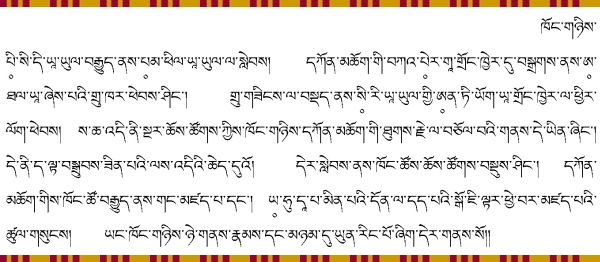
The Acts of the Apostles – Acts 14:24-28 མཛད་པ། 14:24-28

(མཛད་པ། 14:24-28)

acts-14-24-28-w-b


Then they passed through Pisidia and came to Pamphylia. And when they had spoken the word in Perga, they went down to Attalia, and from there they sailed to Antioch, where they had been commended to the grace of God for the work that they had fulfilled. And when they arrived and gathered the church together, they declared all that God had done with them, and how he had opened a door of faith to the Gentiles. And they remained no little time with the disciples. (Acts 14:24-28)


In their report back to the church in Syrian Antioch Paul and Barnabas tell them what things God had done through them. They said this correctly, because none of us can make disciples; the conversion of persons is a spiritual work which only God’s Holy Spirit can do.

So, notice how the church leaders had been praying, how God had answered their prayer,  and how Paul and Barnabas went in obedience to God after the further prayer and fasting of all of them (see Acts 13 verses 1-3).

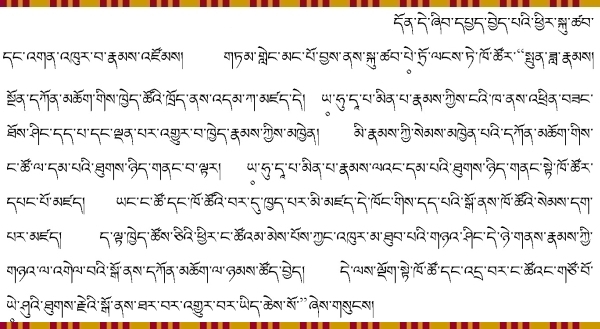
The Acts of the Apostles – Acts 15:1-5 མཛད་པ། 15:1-5

(མཛད་པ། 15:1-5)

acts-15-1-5-w-b


But some men came down from Judea and were teaching the brothers, “Unless you are circumcised according to the custom of Moses, you cannot be saved.” And after Paul and Barnabas had no small dissension and debate with them, Paul and Barnabas and some of the others were appointed to go up to Jerusalem to the apostles and the elders about this question. So, being sent on their way by the church, they passed through both Phoenicia and Samaria, describing in detail the conversion of the Gentiles, and brought great joy to all the brothers. When they came to Jerusalem, they were welcomed by the church and the apostles and the elders, and they declared all that God had done with them. But some believers who belonged to the party of the Pharisees rose up and said, “It is necessary to circumcise them and to order them to keep the law of Moses.” (Acts 15:1-5)


Some Jewish believers had come to Antioch and were teaching, “For your salvation by Jesus you must also keep traditional Jewish customs.”

So important did they feel it to be, it was decided that the matter needed to be discussed with the church leaders. Then in Jerusalem also some stood up to argue in the same way that the keeping of the Jewish circumcision rite was necessary for the salvation of non-Jews. [It was a little bit like saying to Tibetans, “Believe in Jesus as Saviour, but you must also keep on reciting ‘om mane padme hum’ in order to gain merit before God”]

So what did the apostles and elders decide? would non-Jews be forced to become Jews as it were? Read on to find out.

The Acts of the Apostles – Acts 15:6-11 མཛད་པ། 15:6-11

(མཛད་པ། 15:6-11)

acts-15-6-11-w-b


The apostles and the elders were gathered together to consider this matter. And after there had been much debate, Peter stood up and said to them, “Brothers, you know that in the early days God made a choice among you, that by my mouth the Gentiles should hear the word of the gospel and believe. And God, who knows the heart, bore witness to them, by giving them the Holy Spirit just as he did to us, and he made no distinction between us and them, having cleansed their hearts by faith. Now, therefore, why are you putting God to the test by placing a yoke on the neck of the disciples that neither our fathers nor we have been able to bear? But we believe that we will be saved through the grace of the Lord Jesus, just as they will.” (Acts 15:6-11)


Peter spoke up to support Paul and Barbabas. “Remember”, he said, “how God gave special sign of accepting non-Jews when I also preached to them and they believed (Acts 10:44-46), just as He had done when Jews believed (Acts 2:1-41). So how can we now force God, as it were, to differentiate through our heavy traditional Jewish rules between who is , and who is not, saved! Of course not! He knew and showed that their faith was true faith; therefore their belief in the grace of our Lord Jesus Christ was and is quite sufficient for salvation.”