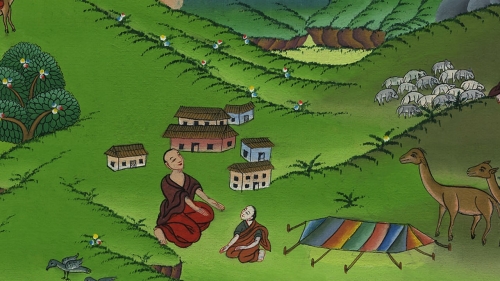
Be Fruitful for Jesus – Jeremiah 29:10-14

Be Fruitful for Jesus – Jeremiah 29:10-14


Remember what Jesus taught to His disciples in the Parable of the Sower –


མད་ཐཱ། 13:23

ས་བོན་ས་རྒྱུ་བཟང་པོ་ལ་འཐོར་བ་ནི་དཀོན་མཆོག་གི་བཀའ་ཐོས་ནས་རྟོགས་པའི་མི་དེ་ཡིན། འབྲས་བུ་སྨིན་ཏེ། འབྲས་བུ་ཁ་ཤས་ལྡབ་བརྒྱ་དང༌། ཁ་ཤས་ལྡབ་དྲུག་ཅུ། ཁ་ཤས་ལྡབ་སུམ་ཅུ་བཅས་སྨིན་” ཞེས་གསུངས།


Matthew 13:23

As for what was sown on good soil, this is the one who hears the word and understands it. He indeed bears fruit and yields, in one case a hundredfold, in another sixty, and in another thirty.”


The key to being fruitful for Jesus is “the one who hears the word and understands it“. Therefore having adequate knowledge and good understanding of Scripture is foundational to being fruitful for Jesus and that is reflected in us living in obedience to God’s teaching and doing the will of God.

Today let’s look at what God said through the prophet Jeremiah about restoration and redemption

ཡེར་མི་ཡཱ 29:10-14

10གཙོ་བོ་དཀོན་མཆོག་གིས་བཀའ་གནང་བ། བྷེ་བྷི་ལོ་ནི་ཡ་དུ་ལོ་བདུན་ཅུ་སོང་བའི་རྗེས་སུ་ངས་ཁྱོད་ཚོར་བལྟ་རྟོགས་བྱེད་ཅིང་ངས་ཁྱོད་ཚོར་རང་ཁྱིམ་དུ་འཁྲིད་རྒྱུའི་དམ་བཅའ་དེ་སྲུང་རྒྱུ་ཡིན་ནོ། 11ངས་ཁྱོད་ཚོའི་ཆེད་དུ་འཆར་གཞི་དེ་ཁྱོད་ཚོ་དར་རྒྱས་བཟོ་རྒྱུ་དང་རྐྱེན་ངན་མི་ཡོང་རྒྱུའི་འཆར་གཞི་དང་ཁྱོད་ཚོའི་མ་འོངས་པའི་རེ་འབྲས་སྒྲུབ་པ་བྱ་རྒྱུ་འཆར་གཞི་བཅས་ང་གཅིག་པུས་ཤེས་བཞིན་ཡོད། 12དེ་ནས་ཁྱོད་ཚོ་ང་ལ་འབོད་པ་དང་། ངའི་སར་ཡོང་ནས་ང་ལ་གསོལ་འདེབས་བྱེད་པ་དང་། ངས་ཁྱོད་ཚོར་ལན་འདེབས་བྱེད་དོ། 13ཁྱོད་ཚོས་ང་ལ་འཚོལ་བ་དང་ང་རྙེད་པར་འགྱུར་རོ། གང་ལ་ཟེར་ན། ཁྱོད་ཚོའི་སེམས་ཀྱི་གཏིང་ནས་ང་འཚོལ་བཞིན་ཡོད་དོ། 14ཁྱོད་ཚོས་ང་རྙེད་པ་དང་། ངས་ཁྱོད་ཚོའི་རང་ཡུལ་དུ་སླར་གསོ་བྱ་རྒྱུ་ཡིན་ཞེས་བརྗོད་རྒྱུ་ཡིན། ངས་ཁྱོད་ཚོའི་ཡུལ་ཚང་མ་དང་ངས་ཁྱོད་ཚོ་ཁ་སྟོར་བའི་ས་ཁུལ་ཚང་མ་ནས་བསྡུས་ཏེ་ངས་ཁྱོད་ཚོ་བཙན་བྱོལ་དུ་གཏོང་ཡུལ་དེ་ནས་ཚུར་འཁྲིད་ཡོང་རྒྱུ་ཡིན་ཞེས་ང་གཙོ་བོ་དཀོན་མཆོག་གིས་སྨྲས་པ་ཡིན་ནོ།


Jeremiah 29:10-14

10 “For thus says the Lord: When seventy years are completed for Babylon, I will visit you, and I will fulfill to you my promise and bring you back to this place. 11 For I know the plans I have for you, declares the Lord, plans for welfare and not for evil, to give you a future and a hope. 12 Then you will call upon me and come and pray to me, and I will hear you. 13 You will seek me and find me, when you seek me with all your heart. 14 I will be found by you, declares the Lord, and I will restore your fortunes and gather you from all the nations and all the places where I have driven you, declares the Lord, and I will bring you back to the place from which I sent you into exile.


This message from God through Jeremiah was delivered to the Jews in exile in Babylon. The Jewish diaspora knew they were faced with discipline and affliction from the Lord for the sins they committed against the will of God. The key purpose of this message was to prevent them from falling into despair and loss of hope and forgetting about their identity and heritage in God’s promises made through Abraham.

History bear record after the seventy years of exile majority of Jews who were alive and living choose not to return to Jerusalem. A general noted reason because that generation begins to conform to the culture of Babylon and even became comfortable living in foreign land away from Jerusalem. They were given the freedom to return but many choose not to. Only a minority group who remember and recall the promises of God did return to Jerusalem and rebuild the Temple.

So does this message have any relevance to us non-Jews believers in Christ today?

We who believe in the redemption of Christ for Mankind need to take note we are actually pilgrims here on Earth. We are also living in exile here on Earth.


  1. We are not to conform to the ways of this world but to prepare ourselves for our ultimate redemption in Christ when we will be translated and live in the kingdom of God for eternity.


རོ་མཱ་པ། 12:1-2

1སྤུན་ཟླ༌རྣམས། དེ་ལྟར་ཡིན་པས། ངས་དཀོན་མཆོག་གི་ཐུགས་རྗེ་ལ་བརྟེན་ནས་ཁྱོད་རྣམས་ལ་བསྐུལ་བར་བྱ༌སྟེ། ཁྱོད་ཅག་གིས་རང་གི་ལུས་པོ་ནི་གསོན་མཆོད་དུ་ཕུལ༌ཞིག དེ་ནི་དམ་པ་ཡིན་ཞིང་དཀོན་མཆོག་ཐུགས་མཉེས༌པ་དང་། ཁྱོད་ཅག་གི་སེམས་ཉིད་ཀྱི་བསྙེན་བཀུར་ཡིན་ནོ།། 2དཀོན་མཆོག་གི་ཐུགས་དགོངས་བཟང་པོ༌དང༌། ཡིད་དུ་འོང༌བ། ཕུན་སུམ་ཚོགས་པ་བཅས་རྟོགས་པའི༌ཕྱིར། འཇིག་རྟེན་འདིའི་ལུགས་བཞིན་མི་བྱེད་པར། སེམས་གསར་པར་བསྒྱུར་པ་ལ་བརྟེན་ནས་གཤིས་སྤྱོད་ཀྱང་སྒྱུར་ཅིག


Romans 12:1-2

I appeal to you therefore, brothers, by the mercies of God, to present your bodies as a living sacrifice, holy and acceptable to God, which is your spiritual worship. 2 Do not be conformed to this world, but be transformed by the renewal of your mind, that by testing you may discern what is the will of God, what is good and acceptable and perfect.


The will of God is not for us to be permanent resident of this world forever. We are called to turn away from the ways of this world though repentance and faith in Christ. We look forward to our ultimate and complete redemption and restoration to God’s eternal kingdom. The world we are living in is already in a fallen state of corruption and darkness and our only hope of escape in in our ultimate redemption in Christ.


  1. We are to hold on to our identity and heritage in Christ and the kingdom of God.

ཕི་ལིབ་པི་པ། 3:20-21

20འོན༌ཀྱང༌། བདག་ཅག་ནི་ནམ་མཁའི་ཞིང་ཁམས་ཀྱི་འབངས་མི་ཡིན༌ལ། ཡང་སྐྱབས་མགོན་ཏེ་གཙོ་བོ་ཡེ་ཤུ་མཱ་ཤི་ཀ་ཕེབས་ཡོང་བར་རེ་བ་ཆེན་པོས་སྒུག༌པ་ཡིན། 21ཁོང་གིས་འཇིག་རྟེན་གྱི་དངོས་པོ་ཐམས་ཅད་རང་ཉིད་ཀྱི་དབང་འོག་ཏུ་སྡུད་ནུས་པའི་མཐུ་རྩལ་ཆེན་པོར་བརྟེན༌ནས། བདག་ཅག་གི་ལུས་པོ་ཐ་མལ་བ་འདིའི་རྣམ་པ་བསྒྱུར༌ཏེ། ཁོང་རང་ཉིད་ཀྱི་གཟི་བརྗིད་ལྡན་པའི་སྐུ་ལུས་དང་མཚུངས་པར་མཛད་ངེས༌སོ།།


Philippians 3:20-21

20 But our citizenship is in heaven, and from it we await a Savior, the Lord Jesus Christ, 21 who will transform our lowly body to be like his glorious body, by the power that enables him even to subject all things to himself.


Like the Jews in exile the message of Jeremiah was to remind them of their identity and heritage in the Promised Land and that God will restore them in His time. Paul’s message to the Philippians is to remind us of our identity and heritage in Christ and the kingdom of God.

We may think we are born and raised in where we are in this world but scripture truth revealed to us we are living in a fallen world that is heading for judgement and destruction! Therefore Paul was encouraging the Philippians to find hope in the kingdom of God through Christ.

Our faith and trust in Christ is for our ultimate and complete restoration to God in His eternal kingdom. Therefore we need to consistently seek the will of God through knowledge and understanding of scriptures and to petition to God through prayers and that we may find continuous favor and assurance in God through Christ.

We are living in a fallen world saturated with deceptions and spiritual darkness it would be easy to conform and forget our identity and heritage in Christ. But God is faithful and we need to be diligent and be on the watch out.

We have our message of encouragement in Christ.


In-His-Service

David Z

མངོན་པ། 16 – Revelation 16

མངོན་པ།

ལེའུ་བཅུ་དྲུག (16)


ཕོར་པ་བདུན་སྣོམ་ཡོད་པའི་ཕོ་ཉ་དེ་ཚོས་ཕོར་པ་དེ་ཚོ་རེ་རེ་བྱས་ནས་བཤོ་གནང་བ།

The angels holding the seven bowls pour them out, one after the other


1 དེ་ནས་[ལྗཱོན་] ངས་མཆོད་ཁང་དེ་ནས་གསུང་གི་སྒྲ་ཆེན་པོ་ཞིག་གིས་ཕོ་ཉ་བདུན་པོ་དེ་ཚོ་ལ་ “ཁྱེད་རང་

ཚོ་ཕྱིན་ནས་དཀོན་མཆོག་ནས་འཐོབ་འོས་པའི་ཉེས་ཆད་ [བདུན་པོ་དེ་ཚོས་] བཀང་པའི་ཕོར་པ་བདུན་པོ་དེ་

ཚོ་ས་གཞི་ཐོག་ལ་གཤོས་ཤིག” གསུངས་པ་ཐོས་བྱུང་།

1 Then I [John] heard a loud voice from the Temple say to the seven angels, “Go and pour out on the earth the seven bowls containing God’s [seven] punishments of retribution.”


2 བྱས་ཙང་ཕོ་ཉ་དང་པོ་དེ་མཆོད་ཁང་ནས་ཕེབས་ནས་རང་གི་

ཕོར་པ་དེ་ས་གཞི་ཐོག་ལ་གཤོས་གནང་སོང་།   (རང་གི་ཐོད་པ་དང་ཡང་ན་ལག་པ་ལ་) གཅན་ཟན་དེའི་རྟགས་

ཡོད་པ་དང༌། དེའི་འདྲ་བརྙན་ལ་མཆོད་བྱེད་མཁན་མི་ཚང་མ་ལ་རྨ་འཇིག་སྣང་ཚ་པོ་ཐོན་སོང༌།

2 So the first angel left the Temple and poured out his bowl on the earth. Horrible sores broke out on everyone who had the mark of the beast (on their forehead or on their hand) and who worshiped his statue.


3 དེ་ནས་ཕོ་ཉ་གཉིས་པ་དེས་རང་གི་ཕོར་པ་དེ་རྒྱ་མཚོ་ནང་གཤོས་གནང་ནས་དེ་ཁྲག་ལ་གྱུར་སོང་།   རྒྱ་མཚོ་

དེ་གཤིན་པོའི་ཁྲག་འདྲ་པོ་ཆགས་པ་དང་། དེ་ནང་གང་ཡོད་པ་ཚང་མ་ཤི་སོང༌།

3 Then the second angel poured out his bowl into the sea, and it turned to blood. The sea became like the blood of a corpse, and everything in it died.


4 དེ་ནས་ཕོ་ཉ་གསུམ་པ་དེས་རང་གི་ཕོར་པ་དེ་གཙང་པོ་དང་ཆུ་མིག་གི་

ཆུ་[ཚང་མའི་] ཐོག་ལ་གཤོས་གནང་པ་དང༌།   དེ་ཚོ་ཁྲག་ལ་གྱུར་སོང༌།

4 Then the third angel poured out his bowl on the rivers and on the springs of water, and they became blood.


5 དེ་ནས་ངས་ [ས་གཞིའི་]

ཆུ་ཚང་མའི་ཐོག་ལ་དབང་ཆ་ཡོད་པའི་ཕོ་ཉ་ཁོང་གིས་འདི་གསུང་གི་ཡོད་པ་ཐོས་བྱུང་།:   “ཀྱེ་དམ་པ་

ཁྱེད་དྲང་པོ་ཡིན་པ་དང་།   འཐོབ་འོས་པའི་ཉེས་ཆད་འདི་ཚོའི་ཐོག་ལ་ཁྱེད་ཀྱིས་ཐག་གཅོད་གང་གནང་པ་

དེ་དྲང་པོ་རེད་འདུག   །ད་ལྟ་བཞུགས་ཡོད་པ་དང་ཐོག་མ་མེད་པ་ནས་བཞུགས་ཡོད་པའི་དཀོན་མཆོག་དེ་

ཁྱེད་རང་རེད།

5 Then I heard the angel who had the authority over all [the earth’s] water say, “O Holy One. You are just and what you have decided concerning these retributive punishments is fair. You are the God who lives now and has always existed without beginning.


6 མི་ངན་ཚོས་

དཀོན་མཆོག་གི་མི་ཚོ་དང་ཁོང་གི་ལུང་སྟོན་པ་ཚོ་བསད་པ་དང་།   [ད་ལྟ་] ཁྱེད་རང་ཚོས་ཁོང་ཚོ་ལ་ཁྲག་

འཐུང་བཅུག་པ་རེད།   ཁོང་ཚོ་ལ་ཉེས་ཆད་འདི་འཐོབ་འོས་པ་ཡོད་རེད།”

6 Evil people have killed God’s people and his prophets and [now] you have given them blood to drink. They are deserving of this punishment.”


7 དེ་ནས་ངས་མཆོད་ཁྲི་དེ་ནས་གསུང་གི་སྒྲ་ཞིག་ཐོས་པ་དང་།   དེས་གསུང་གི་འདུག   “ལགས་སོ།   ཀྱེ་ཀུན་དབང་གཙོ་བོ་དཀོན་མཆོག

།ཁྱེད་ཀྱིས་བཀའ་ཆད་གནང་པ་དེ་ཚོ་དྲང་པོ་དང་འོས་ཤིང་འཚམས་   པ་འདུག”

7 Then I heard a voice from the altar, saying, “Yes! O Lord God Almighty, the punishments you send are just and well deserved.”


8 དེ་ནས་ཕོ་ཉ་བཞི་པ་དེས་རང་གི་ཕོར་པ་དེ་ཉི་

མའི་ཐོག་ལ་གཤོས་གནང་པ་དང་།   དཀོན་མཆོག་གིས་ཉི་མ་ནས་ཐོན་པའི་མེ་ལྕེ་དེས་མི་ཚོ་ཚིག་བཅུག་པ་

གནང་སོང་།

8 Then the fourth angel poured out his bowl on the sun, and God allowed the fiery heat that emerged from the sun to scorch people.


9 དྲོད་ཤུགས་དྲག་ཆེན་པོ་དེའི་རྐྱེན་གྱིས་མི་ཚང་མ་

འཚིག་སྐྱོན་ཚབས་ཆེན་པོ་བྱུང་སོང་།   མི་དེ་ཚོས་བཀའ་ཆད་འདི་ཚོ་ཚང་མའི་ཐོག་སྟངས་འཛིན་གནང་ཐུབ་

མཁན་དཀོན་མཆོག་ཁོང་གི་མཚན་ལ་དམོད་མོ་བཏབ་སོང་།   ཡིན་ན་ཡང་མི་དེ་ཚོས་(གཡོ་བ་མེད་པར་)

རང་གི་སྡིག་པ་ལ་འགྱོད་པ་བྱེད་རྒྱུའི་འདོད་པ་མ་བྱས་པ་དང༌།   རང་གི་ཉེས་སྤྱོད་དེ་ཚོ་སྤོང་རྒྱུའི་འདོད་པ་

བྱས་མ་སོང་།   ཁོ་ཚོས་དཀོན་མཆོག་ཁོང་རླབས་ཆེན་ཡིན་པ་དེ་ངོས་ལེན་མ་བྱས་པ་དང་ཡང་ན་ཁོང་ལ་ཆེ་

མཐོང་ཕུལ་མ་སོང་།

9 Everyone received severe burns as a consequence of the intense heat. The people cursed the name of God, who had control over all these plagues. But the people (steadfastly) refused to repent of their sins and abandon their negative actions. They would not acknowledge God’s greatness, or give him honour.


10-11 དེ་ནས་ཕོ་ཉ་ལྔ་པ་དེས་རང་གི་ཕོར་པ་དེ་གཅན་ཟན་དེའི་ཁྲི་ཐོག་ལ་གཤོས་གནང་པ་དང༌།

དེའི་རྒྱལ་ཁམས་དེ་མུན་པའི་ནང་ལྷུང་སོང་།   དེའི་ཆབ་འབངས་དེ་ཚོ་སྡུག་བསྔལ་གྱིས་རང་གིས་སོ་ཁྲིག་ཁྲིག་

བྱས་པ་དང་།   ཁོ་ཚོའི་རྨ་དེ་ཚོ་སྔར་ལས་ལྷག་བ་ནད་ཟུག་ཆེ་རུ་ཕྱིན་ཙང་།   ཁོ་ཚོས་དམ་པའི་ཞིང་གི་

དཀོན་མཆོག་ལ་དམོད་མོ་བཏབ་སོང༌། འདི་འདྲ་བྱུང་ན་ཡང་ཁོ་ཚོས་རང་གི་ཉེས་སྤྱོད་དེ་ཚོར་འགྱོད་པ་མ་

བྱས་པ་དང་།   རང་གི་ཀུན་སྤྱོད་འགྱུར་བ་བཏང་མ་སོང་།

10 -11 Then the fifth angel poured out his bowl on the throne of the beast. And his kingdom was plunged into darkness. His subjects ground their teeth in anguish, and they cursed the God of Heaven because their sores became even more painful. In spite of this they did not repent of their evil deeds and change their behaviour.


12 དེ་ནས་ཕོ་ཉ་དྲུག་པ་དེས་རང་གི་ཕོར་པ་དེ་གཙང་པོ་ཆེན་པོ་ཡུཕ་རེ་ཊིས་ཐོག་ལ་གཤོས་གནང་

ནས་དེའི་ཆུ་རྒྱུག་མཚམས་ཆད་སོང་།   རྒྱུ་མཚན་དེ་ལ་བརྟེན་ནས་ཤར་ཕྱོགས་ནས་ཡིན་པའི་རྒྱལ་པོ་དེ་ཚོས་

རང་གི་དཔུང་དམག་མཉམ་དུ་མདུན་སྐྱོད་བྱེད་རྒྱུའི་ལམ་ཕྱེས་སོང་།

12 Then the sixth angel poured out his bowl on the great River Euphrates, and its water stopped flowing. As a consequence, the way was opened up for the kings from the East to advance with their armies.


13 དེ་ནས་ [ལྗཱོན་] ངས་

སེམས་ཉིད་ངན་པ་གསུམ་མཐོང་བྱུང་།   དེ་ཚོ་སྦལ་པ་འདྲ་པོ་འདུག   །དེ་ཚོ་འབྲུག་དེའི་ཁ་དང་།   གཅན་

ཟན་ [དང་པོ་] དེའི་ཁ་དང་།   ལུང་སྟོན་པ་རྫུས་མ་དེའི་ཁ་ནས་ཐོན་གྱི་འདུག   [གཅན་ཟན་གཉིས་པ་དེ་ལ་

ལུང་སྟོན་པ་རྫུས་མ་ཟེར་གྱི་འདུག   །གང་ཡིན་ཟེར་ན།   དེས་མི་ཚོ་ལ་སྐད་ཆ་ཤོད་དུས།   དེས་རྫུན་བཤད་

སོང་།]

13 Then I [John] saw three unclean evil spirits. They looked like frogs. They leapt out of the mouth of the dragon, and out of the mouth of the [first] beast, and out of the mouth of the false prophet. [The second beast was called false prophet because it lied when it spoke to the people].


14 སེམས་ཉིད་ངན་པ་འདི་ཚོས་[མགོ་སྐོར་གཏོང་རྒྱུའི་] ཡ་མཚན་སྟོན་ཐུབ་ཀྱི་འདུག   ཁོ་ཚོས་གཙོ་བོ་

[དཀོན་མཆོག་] ལ་དམག་རྒྱབ་རྒྱུའི་ཆེད་དུ་ས་གཞིའི་དབང་སྒྱུར་བ་ཚང་མ་བསྡུ་སྐོང་བྱེད་རྒྱུའི་བློ་འགུགས་རྒྱུའི་

ཆེད་དུ་ཁོང་ཚོའི་སར་འགྲོ་གི་ཡོད་པ་ [ལྗཱོན་ངས་མཐོང་བྱུང་།] འདི་ཀུན་དབང་དཀོན་མཆོག་གིས་[རང་གི་

དགྲ་ཚོ་ལ་] ཞལ་ཆེ་གཅད་གནང་གི་ཡིན་པའི་ཁྱད་པར་ཅན་གྱི་ཉིན་མོ་དེར་འབྱུང་གི་རེད།

14 These evil spirits were able to perform [deceiving] miracles. [I, John, saw them] go out to all the rulers of the earth to persuade them to gather together in order to wage war against the Lord [God]. This will take place on the great day when God, who is all powerful, will judge [his enemies].


15[དེ་ནས་སྐུ་གསོན་པོར་བཞེངས་པའི་ཡེ་ཤུ་མ་ཤི་ཀས་གསུང་བྱོན་ནས་གསུངས་པ།]“ཉོན་ཞིག

[ཁྱེད་རང་ཚོས་རེ་བ་ཁྱོན་ནས་མ་བྱེད་པའི་དུས་ཚོད་ཅིག་ལ་ང་ཡོང་གི་ཡིན།]   ང་རྐུན་མ་ཞིག་ནང་བཞིན་ཡོང་གི་ཡིན།

གཉིད་མ་ཉལ་བར་བསྡད་པ་དང་།   དུག་སློག་གོན་རྒྱུར་གྲ་སྒྲིག་བྱས་ནས་སྡོད་ཡོད་པའི་མི་དེ་བསོད་ནམས་

ཅན་རེད།   མི་དེས་རང་གི་དུག་སློག་གོན་ནས་དམར་ཧྲང་ཕར་འགྲོ་ཚུར་འོང་མ་བྱེད་པ་དང་།

ཁོང་མི་གཞན་དག་ཚོའི་མདུན་ལ་ངོ་ཚ་གི་མ་རེད།”

15 [Then the risen Jesus Christ spoke and said:] “Listen! [I will come when you least expect me.] I will come just like a thief comes. How fortunate it will be for the person who stays awake and whose clothes are at hand and ready to put on. That person, having put his clothes on, will not walk around naked and he will feel no shame in front of other people.”


16[དེ་ནས་ངས་སེམས་ཉིད་ངན་པ་གསུམ་པོ་དེ་ཚོས་] དབང་སྒྱུར་བ་ཚང་མ་དང་།

ཁོ་ཚོའི་དཔུང་དམག་ཚང་མ་ཧིབ་རུའི་སྐད་ལ་ཨར་མ་གེདྲ་ཌོན་ཟེར་བའི་ས་ཆ་ཞིག་ལ་བསྡུ་སྐོང་བྱས་པ་[མཐོང་བྱུང་།]

16 [Then I saw the three evil spirits] gather all the rulers and their armies together at a place which in the Hebrew language is called, Armageddon.


17 དེ་ནས་ཕོ་ཉ་བདུན་པ་དེས་རང་གི་ཕོར་པ་ནང་གང་ཡོད་པ་དེ་བར་སྣང་ནང་བཤོས་གནང་སོང་།   [ངས་]

དམ་པའི་ཞིང་གི་མཆོད་ཁང་ནང་ནས་གསུང་གི་སྒྲ་གསང་པོ་ཞིག་ [ཐོས་བྱུང་།][དཀོན་མཆོག་གིས་]

བཞུགས་ཁྲི་ནས་གསུང་བྱོན་ནས་གསུངས་སོང་། “ཚང་མ་ཚར་སོང་།”

17 The seventh angel poured out the contents from his bowl into the air. [I heard] a loud voice from the Temple in Heaven. [God] spoke from the throne and said, “Everything is finished!”


18 དེ་ནས་འབྲུག་སྒྲ་གྲགས་པ་དང་།   གནམ་ལ་གློག་འཁྱུགས་པ་དང་། ས་ཡོམ་ཆེན་པོ་ཞེ་དྲག་ཅིག་བརྒྱབ་སོང་།

ས་གཞི་ཐོག་འགྲོ་བ་མི་གནས་པ་ནས་བཟུང་ས་ཡོམ་ཆེན་པོ་འདི་འདྲ་པོ་བརྒྱབ་མྱོང་ཡོད་པ་མ་རེད།

18 Then the thunder roared, lightning flashed and a great earthquake struck the earth. An earthquake this powerful had never before struck the earth during the whole time that mankind has lived on the earth.


19 ས་ཡོམ་རྒྱབ་དུས་གྲོང་ཁྱེར་ཆེན་པོ་སྦེ་སྦི་ལོན་ཁག་གསུམ་ལ་གས་པ་དང་།

འཛམ་བུ་གླིང་ཁྱོན་ཡོངས་ཀྱི་གྲོང་ཁྱེར་གཞན་དག་ཚང་མ་ས་རོ་རྡོ་རོའི་ཕུང་གསོག་ལ་གྱུར་སོང་།   ངན་གྲགས་ཅན་

གྱི་གྲོང་ཁྱེར་སྦེ་སྦི་ལོན་གྱི་མི་ཚོས་བྱས་པའི་སྡིག་ལས་དེ་ཚོ་ཚང་མ་དཀོན་མཆོག་གིས་ཐུགས་ལ་དྲན་གནང་སོང་།

འདི་འདྲ་སོང་ཙང་ཁོང་གིས་མོ་ལ་[གྲོང་ཁྱེར་དེ་] ལ་ཐོབ་འོས་པའི་ཉེས་ཆད་མཚོན་གྱི་ཡོད་པའི་རྒུན་ཆང་གིས་

བཀང་པའི་ཕོར་པ་དེ་འཐུང་དགོས་པའི་བཙན་དབང་བཏང་གནང་སོང་།

19 When the ground shook, the great city of Babylon split into three parts and all the other cities throughout the whole world turned into heaps of rubble. God remembered all the sinful actions that the people of the infamous city of Babylon had committed. This is why he forced her to drink the cup that was filled with the wine that represented his punishments of retribution.


20[ས་ཡོམ་དེའི་རྐྱེན་གྱིས་]

གླིང་ཕྲན་ཡོད་ཚད་ཚང་མ་ཡལ་བ་དང་།   རི་ཚང་མ་ཁོད་སྙོམས་པོ་ཆགས་སོང༌།

20 [Because of the earthquake], every island disappeared and all the mountains were levelled.


21 སེར་རླུང་དྲག་པོ་བརྒྱབ་པ་དང་།

གནམ་ནས་མི་གཞོན་པ་ཞིག་གི་ལྗིད་ཚད་ སྤྱི་རྒྱ་ལྔ་བཅུ་ཙམ་ཡོད་པའི་སེར་བ་རྡོག་རྡོག་

ཆེན་པོ་ཞེ་དྲག་བབས་ནས་འོག་ལ་ཡོད་པའི་མི་ཚོའི་ཐོག་ལ་ཟགས་སོང་།   སེར་བའི་བཀའ་ཆད་དེ་ཚབས་ཆེན་

པོ་ཞེ་དྲག་བྱུང་ཙང་།   མི་ཚོས་དཀོན་མཆོག་ལ་དམོད་མོ་བཏབ་སོང་།

21 There was a terrible hailstorm, and huge hailstones weighing as much as an adult person fell from the sky onto the people below. The people cursed God because the plague of hail was so severe.


Be Fruitful for Jesus – Isaiah 40:6-8

Be Fruitful for Jesus – Isaiah 40:6-8


What Jesus taught to His disciples in the Parable of the Sower –

མད་ཐཱ། 13:23

ས་བོན་ས་རྒྱུ་བཟང་པོ་ལ་འཐོར་བ་ནི་དཀོན་མཆོག་གི་བཀའ་ཐོས་ནས་རྟོགས་པའི་མི་དེ་ཡིན། འབྲས་བུ་སྨིན་ཏེ། འབྲས་བུ་ཁ་ཤས་ལྡབ་བརྒྱ་དང༌། ཁ་ཤས་ལྡབ་དྲུག་ཅུ། ཁ་ཤས་ལྡབ་སུམ་ཅུ་བཅས་སྨིན་” ཞེས་གསུངས།


Matthew 13:23

As for what was sown on good soil, this is the one who hears the word and understands it. He indeed bears fruit and yields, in one case a hundredfold, in another sixty, and in another thirty.”


The key to being fruitful for Jesus is “the one who hears the word and understands it“. Having adequate knowledge and good understanding of Scripture is foundational to being fruitful for Jesus and that is reflected in living in obedience to God’s teaching and doing the will of God.

Jesus was referred to as “the word of God” means a medium of God’s teachings.

Today let’s look at what the prophet Isaiah said of the “word of God” –


ཡེ་ཤ་ཡཱ 40:6-8

6སྒྲ་ཞིག་གིས་འདི་ལྟར་འབོད་བཞིན་འདུག། གསུང་འཕྲིན་ཞིག་ཁྱབ་སྒྲགས་བྱོས།

ང་ཡིས་གསུང་འཕྲིན་ཇི་ཞིག་གསལ་སྒྲགས་བྱ་ཞེས་འདྲིས།

མི་རྣམས་རྩ་ལྟར་ཡིན་པ་ཁྱབ་སྒྲག་བྱོས། དེ་ཚོ་ནགས་ཀྱི་མེ་ཏོག་ལས་ཀྱང་ལྷག་པ་མི་གནས་སོ།

7དཀོན་མཆོག་ཁོང་གིས་དེའི་སྟེང་རླུང་གཏོང་སྐབས། རྩ་ནི་སྐམ་ཞིང་མེ་ཏོག་རྙིད་པར་འགྱུར་།

མི་མང་རྩ་ལས་ལྷག་པ་གནས་མི་ཐུབ།

8རྩ་ནི་ངེས་པར་སྐམ་ཞིང་མེ་ཏོག་རྙིད། འོན་ཀྱང་ང་ཚོའི་དཀོན་མཆོག་ཁོང་གི་བཀའ།

གཏན་གྱི་ཆེད་དུ་གནས་པར་འགྱུར།


Isaiah 40:6-8

6 A voice says, “Cry!” And I said, “What shall I cry?” All flesh is grass, and all its beauty is like the flower of the field. 7 The grass withers, the flower fades when the breath of the Lord blows on it; surely the people are grass. 8 The grass withers, the flower fades, but the word of our God will stand forever.


The prophet Isaiah was admonishing his generation not to stray from their loyalty and obligation to live in obedience to God’s teachings.

The longevity of the word of God is both eternal and beyond human time.

Human lives are limited but as we follow through with the eternal words of God this is where our faith and hope of eternity with God starts.

John the Baptist when answering his call to public ministry by God shared the same conviction and witness –


ཡོ་ཧ་ནན། 1:19-23

19དེ་ཡང་ཁྲུས་གསོལ་མཁན་ཡོ་ཧ་ནན་གྱིས་བདེན་དཔང་བྱས་པའི་ཚིག་ནི་འདི་ལྟ༌སྟེ། ཡ་ཧུ་དཱ་པ་རྣམས་ཀྱིས་ཡེ་རུ་སཱ་ལེམ་ནས་མཆོད་དཔོན་དང་ལེ་ཝི་པ་རྣམས་ཁྲུས་གསོལ་མཁན་ཡོ་ཧ་ནན་གྱི་དྲུང་དུ་མངགས༌ཏེ། ཁྱེད་རང་སུ་ཡིན་ནམ་ཞེས་ཞུས་པ༌ན། 20ཡོ་ཧ་ནན་གྱིས་སྦ་གསང་ཅི་ཡང་མེད་པར་འདི་སྐད༌དུ། ང་ནི་སྐྱབས་མགོན་མཱ་ཤི་ཀ་མིན་ཞེས་གསལ་པོར་གསུངས་སོ།། 21ཡང་དེ་རྣམས་ན༌རེ། དེས་ན་ཁྱེད་རང་སུ་ཡིན༌ནམ། ཁྱེད་ནི་ཨེ་ལི་ཡཱ་ཡིན་ནམ་ཞེས་དྲིས་པ༌ལ། ཁོང་གིས་ང་མིན་ཞེས་གསུངས་པ༌དང༌། ཡང་དེ་རྣམས་ཀྱིས་ཁྱེད་རང་ནི་ལུང་སྟོན་པ་དེ་ཉིད་ཡིན་ནམ་ཞེས་དྲིས་པའི༌ཚེ། ཡང་ཁོང་གིས་མིན་ཞེས་གསུངས་སོ།། 22ཡང་དེ་རྣམས་ན༌རེ། འོ་ན་ཁྱེད་རང་སུ་ཡིན༌ནམ། ངེད་ཅག་གིས་ཀྱང་ངེད་རྣམས་མངགས་མཁན་ལ་ལན་ཞིག་འཁྱེར་དགོས༌པས། ཁྱེད་ཀྱིས་རང་ཉིད་སུ་ཡིན་པ་གསུང་རོགས་ཞེས་ཞུས་པ༌ན། 23ཁོང་གིས་འདི་སྐད༌དུ། ལུང་སྟོན་པ་ཡེ་ཤ་ཡཱ་ཡི་མདོ་ལས་ཇི་སྐད༌དུ།

དབེན་སྟོང་ཡུལ་ནས་གྲགས་པའི་འབོད་སྒྲ༌ཡིས།།

གཙོ་བོའི་གཤེགས་ལམ་དྲང་པོར་བཟོ་བར༌གྱིས།།

ཞེས་གསུངས་པའི་མི་དེ་ཡིན་ཞེས་གསུངས༌སོ།།


John 1:19-23

19 And this is the testimony of John, when the Jews sent priests and Levites from Jerusalem to ask him, “Who are you?” 20 He confessed, and did not deny, but confessed, “I am not the Christ.” 21 And they asked him, “What then? Are you Elijah?” He said, “I am not.” “Are you the Prophet?” And he answered, “No.” 22 So they said to him, “Who are you? We need to give an answer to those who sent us. What do you say about yourself?” 23 He said, “I am the voice of one crying out in the wilderness, ‘Make straight the way of the Lord,’ as the prophet Isaiah said.”


John the Baptist was call his generation to turn away from sins and to live in obedience to God’s word.

The apostle Peter repeated the same call to obedience


པེ་ཏྲོ་དང་པོ། 1:22-25

22ཡང་ཁྱོད་ཅག་གིས་བདེན་པ་ཉིད་བརྩིས་ནས་རང་གི་སེམས་གཙང་མར་བྱས་པ་དང་སྤུན་ཟླ་རྣམས་ལ་ཟོལ་གྱིས་གཅེས་པ་མ་ཡིན་པས། སེམས་གཏིང་ནས་ཕན་ཚུན་ལ་གཅེས་དགོས་སོ།། 23ཁྱོད་རྣམས་ཡང་བསྐྱར་སྐྱེས་པ་ནི་འཇིག་པར་འགྱུར་བའི་ས་བོན་ལས་བྱུང་བ་མ་ཡིན་པར། འཇིག་པ་མེད་པའི་ས་བོན༌ཏེ། སྲོག་དང་ལྡན་ཞིང་གཏན་དུ་བཞུགས་པའི་དཀོན་མཆོག་གི་བཀའ་ལ་བརྟེན་ནས་བྱུང་བའོ།། 24ཅིའི་ཕྱིར་ཞེ་ན།

ལུས་ཅན་ཐམས་ཅད་རྩྭ་དང༌འདྲ།།

གཟི་བརྗིད་རྩྭ་ཡི་མེ་ཏོག༌འདྲ།།

རྩྭ་ནི་བསྐམས་ནས་མེ་ཏོག༌ཡལ།།

25གཙོ་བོའི་བཀའ་ནི་རྟག་ཏུ་གནས།།

ཞེས་གསུངས་པའི་ཕྱིར༌ཡིན་ཞིང་། ཁྱོད་རྣམས་ལ་བསྒྲགས་པའི་འཕྲིན་བཟང་ཡང་བཀའ་འདི་ཡིན༌ནོ།།


1 Peter 1:22-25

22 Having purified your souls by your obedience to the truth for a sincere brotherly love, love one another earnestly from a pure heart, 23 since you have been born again, not of perishable seed but of imperishable, through the living and abiding word of God; 24 for “All flesh is like grass and all its glory like the flower of grass. The grass withers, and the flower falls, 25 but the word of the Lord remains forever.” And this word is the good news that was preached to you.


The word of God is what set us apart from the world as disciple and follower of the true living God.

The word of God is foundational to being fruitful for Jesus.

The word of God is our faith and hope of eternal life with Jesus.


In-His-Service

David Z