The Acts of the Apostles – Acts 9:32-43 མཛད་པ། 9:32-43

(མཛད་པ། 9:32-43)

Acts 9.32-43 w B


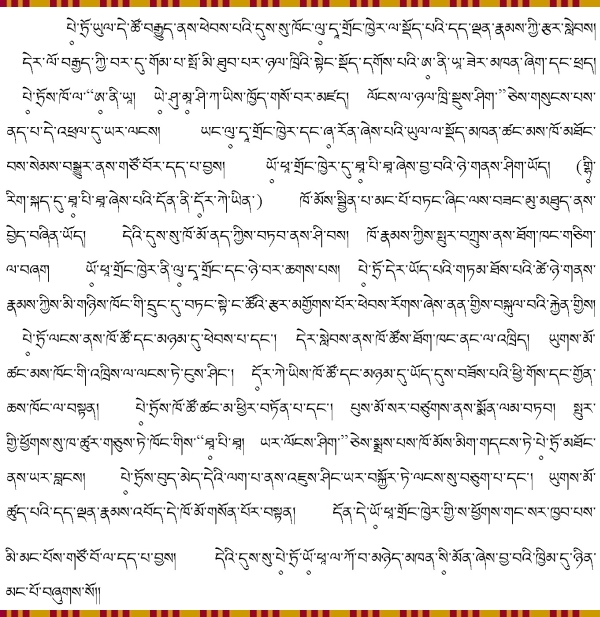
Now as Peter went here and there among them all, he came down also to the saints who lived at Lydda. There he found a man named Aeneas, bedridden for eight years, who was paralyzed. And Peter said to him, “Aeneas, Jesus Christ heals you; rise and make your bed.” And immediately he rose. And all the residents of Lydda and Sharon saw him, and they turned to the Lord. Now there was in Joppa a disciple named Tabitha, which, translated, means Dorcas. She was full of good works and acts of charity. In those days she became ill and died, and when they had washed her, they laid her in an upper room. Since Lydda was near Joppa, the disciples, hearing that Peter was there, sent two men to him, urging him, “Please come to us without delay.” So Peter rose and went with them. And when he arrived, they took him to the upper room. All the widows stood beside him weeping and showing tunics and other garments that Dorcas made while she was with them. But Peter put them all outside, and knelt down and prayed; and turning to the body he said, “Tabitha, arise.” And she opened her eyes, and when she saw Peter she sat up. And he gave her his hand and raised her up. Then calling the saints and widows, he presented her alive. And it became known throughout all Joppa, and many believed in the Lord. And he stayed in Joppa for many days with one Simon, a tanner. (Acts 9:32-43)


Peter was continuing to teach the dharma of God’s word throughout Israel, and had come down to Lydda on the coastal plain. There and at Joppa he did two miracles that were like those that Yeshu also did.

When Tabitha (whose name meant gazelle, an antelope like the gtsod found in Tibet) died, the disciples, instead of burying her, sent for Peter who was still 19 kilometres away at Lydda.

As a result of the miracles the disciples were encouraged, and many others over a wide area came to have faith in the Lord Jesus.

THE STORY OF STEPHEN LUNGU – Part 3

Part III  Stephen, Captured by the Love of Jesus

“The wages of sin is death; but the free gift of God is eternal life in Christ Jesus our Lord” *

Last time we read how Stephen and the seven other freedom fighters were on their way to bomb a bank, when they saw a very large newly erected tent. A Christian meeting was about to start. Inside were 4000 people. There was music, and singing began.

Stephen went into the tent. His plan was to listen; and then, at a suitable moment, to go out and give the signal to the others to throw hand grenades and petrol bombs into the four entrances to the tent. He tells us what happened next.

 ***********

“I pushed in through the crowd of bodies to where I could see. At that moment the singing stopped and a speaker was announced. I was amazed to see a woman about to preach, a woman of great beauty. She said, ‘I am Rebecca Mpongose from Soweto.’ She went on to speak of some friend of hers called Jesus, and of how then her life had really begun. His love had transformed everything for her. I thought, ’Who has she found? Who is this Jesus?’ I had heard the name somewhere. Christianity for me meant God. I had to listen, I longed to hear more. The charm of the girl was such and the joy she showed attracted me so that I could not leave even when she stepped down and the main speaker was announced.

“He was a tall black man, Shadrach Maloka. He stepped up, took the microphone, stood, and just stared – stared at the crowd. There was total silence as we all stared back. Suddenly he shouted, ‘The wages of sin is death!’*

“Then he remained, just standing silently and staring. And his words rang like an echo in my head, ‘Sin is death! … sin is death! … sin is death! Through my mind flashed all the evil things I had done of late, all the hatred I had shown. Death! Death!  I knew it; I did not need to be told that I was going to die as I had lived, die in evil and misery. My mind flashed back to my family: how I hated my father and mother and aunt.

“Still Shadrach stood. Then his great dark eyes filled with tears, and he bent over with loud sobbing. Then solemnly and slowly he began to speak, ‘I am crying because the Holy Spirit has told me that many people here tonight are about to die.’  

“I nearly dropped the bag of bombs with the shock of it! How did he know? But his voice like thunder repeated, ‘Many of you are going to die tonight.’ And again, ‘You are going to die, you are going to die!’

“Somehow they knew! I must act fast and I got ready to leave. But the preacher was explaining, ‘If you work for the devil, you will get his wages: death.’ And he was pointing with his finger – straight at me. It seemed as if he knew! And he went on to speak warmly of Jesus, poor and powerless and from an oppressed race like me. But Jesus had God’s power, and healed people and helped them; but finally was murdered by those he had come to save. And because of his death he made peace with God for us, so that we might not die, but have unfading life.

“And tears began to run down my cheeks. Tears for all the years of pain, loneliness, self-hatred and fear I had known. If this great burden could not be lifted off me by this Jesus, I no longer wanted to live. Instead of going to the exit I pushed my way to the front to fall at Shadrach’s feet.

“A moment later explosion after explosion tore the tent. Amidst screams and sudden panic, flames leapt up. Someone had thrown petrol bombs. And outside, as people fled, there was gunfire.

[Later I learned that a much larger and better armed group than ours had made the attack. And police came to stop us going out, while outside a gunfight began. Forced to stay inside because of this, Shadrach had opportunity to talk with me.]

“I just wanted to talk with Shadrach and ask him how I could exchange my poisoned mind and poverty for Jesus’ riches. In this place there was love and peace, and I wanted it.

I asked him, ‘You spoke about Jesus. Can your Jesus save even someone like me?’

‘Yes,’ he said.’ Jesus died for you. God loves you. But tell me about yourself first – and why you want this Jesus’.

“I told my story of rejection and utter poverty. And as I went on, tears filled his eyes again. He explained, ‘You see. I too was not wanted. My mother was a fourteen-year girl who had been raped. When I was born, I was rescued from drowning in a toilet where I had been left wrapped in a towel.’ Then I realised that Shadrach understood me and loved me. He read to me God’s promise from the Bible.


“Though my father and my mother forsake me, the Lord will take me up.” (Psalm 27:10)     

(གསུང་མགུར 27: 10) ངེད་ཀྱི་ཕ་མས་ང་ལ་སྤངས་སྲིད་ཀྱང་། འོན་ཀྱང་གཙོ་བོ་དཀོན་མཆོག་གིས་ང་ལ་ལྟ་རྟོགས་གནང་ཡོང་།


He explained how God and Jesus are the same, ‘Jesus is God’s Son. Jesus was simply God on earth. Jesus would take me up.’

“And I knelt and prayed for the first time in my life, ‘God, I have nothing; I am nothing. I can’t read. I can’t write. My parents don’t want me. Take me up, God, take me up. I am sorry for the bad I have done. Jesus, forgive me and take me now.’

“Immediately I was astonished by a great feeling of relief and peace and joy like a wind that had lifted me off my feet.

“That night I went back to sleep in my sandy bed under the bridge; but there was a peace now which never left me. I looked up at the thousands of stars glittering like diamonds in the blackness of the sky. ‘God’, I whispered,’ Why couldn’t I see Your beautiful stars before?’ I could talk to God now. So I did talk. I told Him, ‘I want to spend the rest of my life telling people about You.’

“And next day Stephen was telling people what had happened to him in the tent that night.”


*The sutra “The wages of sin is death”, that Shadrach quoted, is Romans 6:23. Yet God’s undeserved gift of love for the believer is eternal life in Jesus Christ.

(རོ་མཱ་པ། 6: 23) དེས་ན་སྡིག་པའི་གླ་ཆ་འཆི་བ་ཡིན༌ཡང༌། དཀོན་མཆོག་གི་ཐུགས་རྗེའི་གནང་སྦྱིན་ནི་བདག་ཅག་གི་གཙོ་བོ་མཱ་ཤི་ཀ་ཡེ་ཤུའི་ནང་དུ་ཡོད༌པའི་མཐའ་མེད་པའི་ཚེ་སྲོག་དེ་ཡིན་ནོ།།


“God shows His love toward us in that while we were yet sinners Christ died for us.” (Romans 5:8)

(རོ་མཱ་པ། 5:8) འོན་ཀྱང་སྐྱབས་མགོན་མཱ་ཤི་ཀ་ནི་བདག་ཅག་ད་དུང་སྡིག་ཅན་ཡིན་པའི་དུས༌སུ། བདག་ཅག་གི་དོན་དུ་སྐུ་གྲོངས༌པ་ཡིན། དེ་ལས་དཀོན་མཆོག་གིས་ཁོང་གི་བྱམས་པ་ནི་བདག་ཅག་ལ་མངོན་པར་མཛད༌དོ།།


As for ourselves, we must believe in God’s love; there is nothing else we can do, for we cannot earn the life He offers: “For by grace have you been saved through faith; and that not of yourselves: it is the gift of God.” (Ephesians 2:8)

(ཨེ་ཕེ་སི་པ། 2:8) མདོར་ན། དད་པའི་སྒོ་ནས་ཐུགས་རྗེས་ཁྱོད་རྣམས་ལ་ཐར་པ་ཐོབ་པར་མཛད་པ༌ལས། རང་ལ་བརྟེན་པ་མ་ཡིན་པར་དཀོན་མཆོག་གིས་གནང་བ་ཡིན་ནོ།།


Footnote

Stephen was later on given education by the same Mission to which Shadrach Maloka belonged. He spent the rest of his life proclaiming the Gospel, the good news of salvation through Jesus, both in Africa and around the world.
THE STORY OF STEPHEN LUNGU – Part 2

THE  STORY  OF  STEPHEN  LUNGU  Continued

Part II  Hate for Whites, and Love of Power through Violence

“ … since they did not see it worth while to retain the knowledge of God, God gave them up to their own depraved reason to do what ought not to be done. They were filled with all manner of unrighteousness, evil, covetousness, malice. They are full of envy, murder, strife, deceit, maliciousness. They are gossips, slanderers, haters of God … “ (Romans 1:28-30)

འཕྲིན་ཡིག་བསྐུར༌ཡུལ། 1:28-30

མི་དེ་དག་གིས་བསམ་བཞིན་དཀོན་མཆོག་ཤེས་མི་འདོད༌པས། ཁོང་གིས་དེ་དག་གི་སེམས་སུ་ལོག་སེམས་བཅངས་པ་དང་ལུགས་དང་འགལ་བའི་ལས་བྱེད་པའང་སྣང་མེད་དུ་བསྐྱུར་ཏོ།།

མི་དེ་དག་གི་སེམས་སུ་དྲང་བདེན་མ་ཡིན་པ༌དང༌། སྡིག༌པ། བརྣབ༌སེམས། ངན༌སེམས། ཕྲག༌དོག མི་གསོད་པ། འགྲན༌རྩོད། གཡོ༌སྒྱུ། གདུག་རྩུབ་བཅས་སྣ་ཚོགས་ཀྱིས་བཀང་བ༌དང༌། ཡང་མི་དེ་དག་ནི་ཕྲ་མ་བྱེད་མཁན༌དང༌།

ལྐོག་ནས་གཏམ་ངན་སྨྲ༌མཁན། དཀོན་མཆོག་ལ་སྡང༌མཁན། བརྙས་བཅོས་བྱེད༌མཁན། ང་རྒྱལ༌ཅན། རང་བསྟོད༌མཁན། ལས་ངན་པ་བཟོ༌མཁན། ཕ་མའི་ངག་ལ་མི་ཉན་པ།


Last time we read how Stephen and the others first met a local man who was recruiting boys to become Freedom Fighters for the overthrow of the white government in a Liberation Struggle that would win back for the blacks their own country of Zimbabwe. They were told, ‘You could learn how to use the methods of guerrilla warfare such as general civil disruption, petrol bombing, sabotage of banks, post offices, etc – things to give the authorities a lot of work.’


***********


He was 16, and the idea of being a terrorist frightened him. Instead he looked for paid work. He first worked for a while in the church that his parents had attended; but it seemed that those so-called Christians had been deceiving them into trusting their God. It certainly had not made them into better people. Then he took work as servant of a white lady. This how he continues his story:

“Her houseboy had left, so the lady asked me to be a servant even though I was a ragged street boy. But I did not know how to iron clothes, and I could not see any dirt to be scrubbed on the white floor of her kitchen. I was difficult to teach, and she soon showed her impatience with blacks, ‘You black kaffirs! You are baboons, you know that! You used to live in trees.’ So, I ran away. Pay was little anyway.

“The white people obviously hated us. And I began to hate them. I told the other boys both about the church and the white lady. They said, ‘What did we tell you? You’re so simple. We are a doormat for the white man to stand on.’

“I was 18 by now and I went with forty of them to a Marxist-run training camp which was set up and hidden in deep bush country several kilometres away. They accepted me, and it was like family to me for the first time in my life.                   

After two or three years of training, I was assigned with a band of other young men to cause trouble near my own home area; we had a busy time. We threw petrol bombs and hand grenades into banks, railway stations, beer gardens of the whites, churches, police cars; and we started riots at any unhappy gathering in the slums, stirring people to make violent protest. We made ourselves so angry; but we also thought, ‘One day we will have the houses and smart cars of the whites for ourselves.’                                                                                                                                                                In such ways our minds became filled with dissonant thoughts (nyon mongs). Having rejected God we had become poisoned by our ignorance (gti muk), desire (‘dod chags log) and hatred (zhe sdang); for that reason our anger grew. But I, Stephen, was also unhappy inside, very unhappy at times.

“Then one afternoon in March 1962, when I was nearly twenty years old, I was told of a plan to petrol bomb one of the banks in the Highfield shopping centre, Machipisa. This was nothing unusual, and the idea seemed fine to me. My friends and I spent the afternoon in a shack well hidden from police, filling the bottles with petrol, preparing our grenades and knives. Helped by beer and lazing around in the sun, we looked forward to the night’s excitement.

“We left our hiding place about 6pm, and began walking towards Machipisa. And there in a field on the outskirts, just beside the Dutch Church, we saw a very large grey tent. There was going to be some sort of Christian meeting. We looked inside. It was full of people, about 4000! We wondered about it. “Then a passing lady said, ‘They are Christians from South Africa. Come to the meeting and hear them!’ And she walked on.

I turned to the others and said, ‘Nothing good comes from South Africa. Why should they come to Zimbabwe and preach? Let’s teach them a lesson! It will cause much more harm than blowing up a bank.’

So, we changed our plans; we would bomb them instead!”


                                                                                ************


In Part III next time we will learn about the bombing. There were deaths; but out of evil God caused new life to be born. Stephen met Jesus and was born again.